In brief
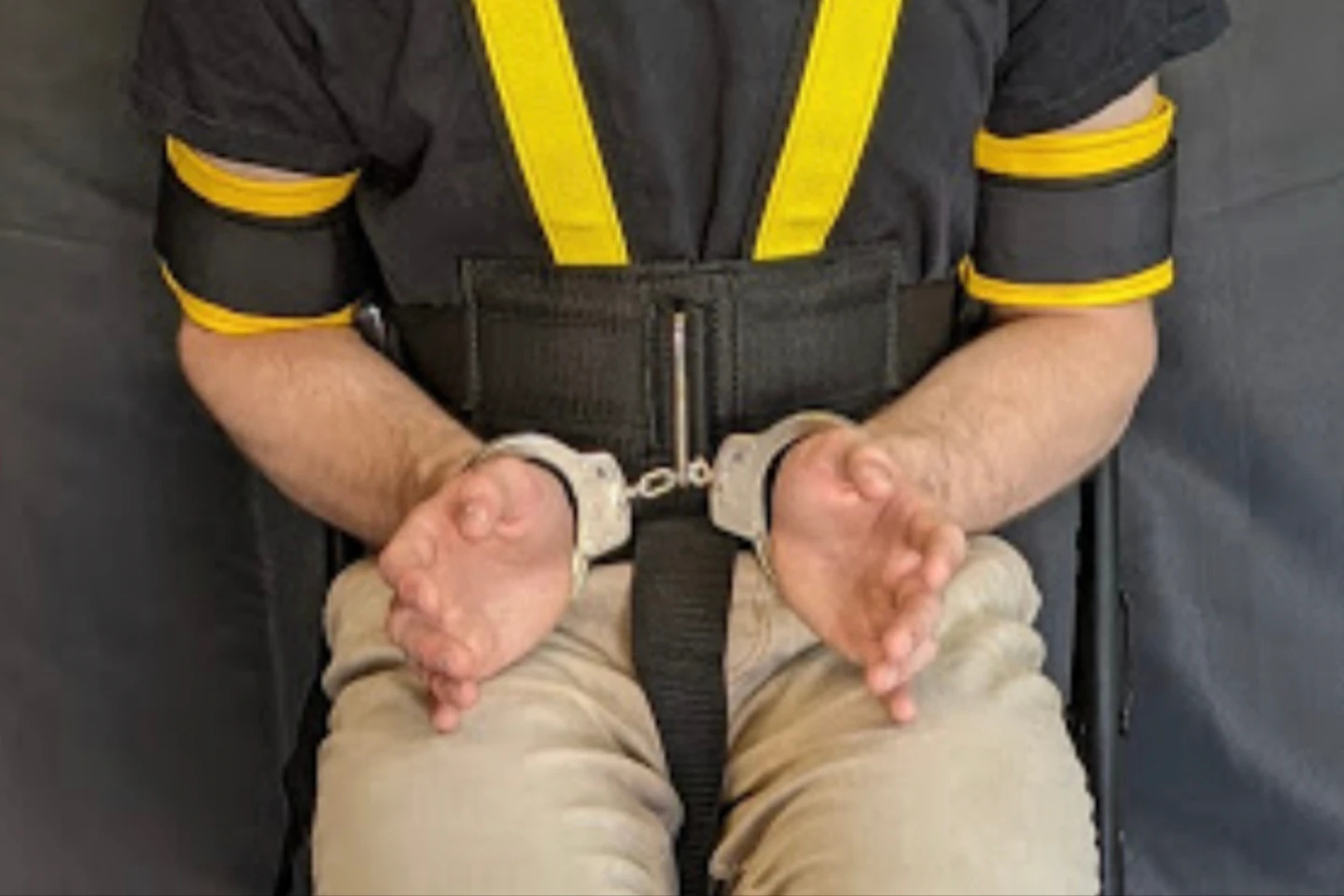
A federal lawsuit has brought to light the use of the WRAP, a full-body restraint device, by ICE during deportations. Many detainees have described their experiences as akin to kidnapping, suffering physical and psychological harm while being restrained. Advocacy groups are raising alarms about the inhumane treatment of immigrants and a lack of oversight on the device's usage, prompting broader discussions on ICE's deportation practices.
In a disheartening account, a Nigerian man has described his experience being deported by ICE with other detainees under the oppressive restraints of the WRAP. This full-body restraint, likened to a straitjacket, is used during deportation flights without prior warning or legal counsel.
The man recounted being suited up in the device during a midnight transfer, asserting that the officers ignored their pleas for legal assistance and subjected them to the humiliating experience simply for voicing concern about their deportations. He expressed that the experience of being treated like a package was akin to kidnapping.
Reports indicate the WRAP has gained prominence in ICE's deportation protocol, with multiple detainees alleging mistreatment while restrained. Observations from former detainees cast a shadow over the device's purported safety functionality, fostering an ongoing debate regarding the ethical implications of its use.
Pushed into this unsettling situation, detainees often endure significant psychological and physical impacts, leading calls for better regulations governing ICE operations. Activists are pushing for immediate reforms, emphasizing that such practices are inconsistent with basic human rights.
“The use of the WRAP is inhumane and incompatible with our nation’s fundamental values,” stated attorney Noah Baron, reflecting widespread outrage at the treatment of deportees within the system.
The ongoing criticisms and testimonies underscore the need for a serious reevaluation of how immigration practices are handled within the U.S., especially in light of mounting evidence suggesting severe misconduct within agencies tasked with enforcement.