In brief
As predictions and bets surround key global events, US lawmakers are increasingly examining the ethics of prediction markets like Polymarket. Controversy arose after a screenshot revealed bets on the rescue of a downed airman. Bipartisan efforts are pushing for stricter regulations to prevent exploitation and insider trading within these markets, drawing attention from Congressional leaders and even the White House. Key figures, including Rep. Seth Moulton and Senators Todd Young and Elissa Slotkin, advocate for legislation aimed at protecting both market integrity and the lives of service members.
WASHINGTON (AP) — As the United States prepares a high-stakes military operation to rescue an airman shot down by Iran, a troubling side emerges: the proliferation of prediction markets where users can bet on the timing of such rescues.
Notably, Polymarket, the largest prediction market, found itself in the spotlight when Rep. Seth Moulton (D-Mass.) highlighted betting activity surrounding the potential rescue of the airman. Following his criticism of the dystopian death market, Polymarket promptly halted betting activity, citing concerns about integrity.
Moulton, a former Marine, expressed his dissatisfaction, arguing that such betting constitutes war profiteering and demands Congressional intervention to curb exploitation.
The controversy sparked bipartisan discussions in Congress regarding prediction markets, which allow users to wager on a broad range of future events, from political outcomes to global crises. The rapid growth of these markets has caught the attention of lawmakers, regulatory bodies, and political figures, leading to calls for regulatory measures to ensure market integrity.
During a recent hearing, members from both parties urged a review of the dynamics involved in prediction markets to safeguard against insider trading. Concerns have been raised regarding potential abuses, with predictions linked to sensitive political information, such as emerging conflicts or government actions.
High-profile instances of well-timed bets on Polymarket have raised alarm, particularly a case where users profited significantly from trades predicting potential ceasefires between the U.S. and Iran. This has prompted the White House to issue a warning to staff about using private information for financial gain.
With various legislators introducing bills aimed at banning federal employees from betting with nonpublic information, the conversation has drawn in potential presidential candidates, state leaders, and regulatory agencies like the Commodity Futures Trading Commission (CFTC).
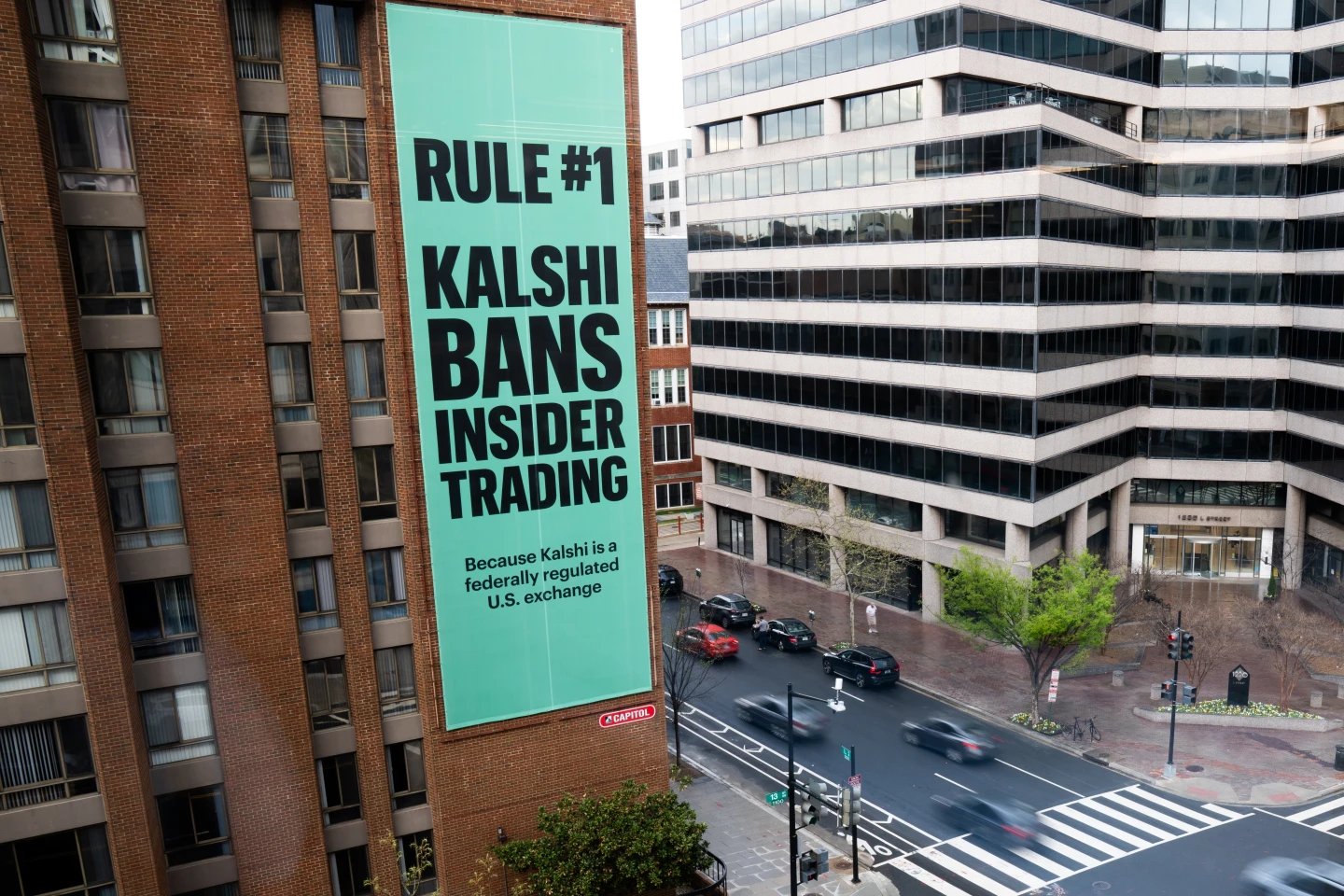
As the market landscape evolves with platforms like Polymarket and Kalshi, significant scrutiny is centered on their operational structures, regulatory compliance, and the ethical implications of trading on human lives and significant world events.
With the landscape in flux and calls for increased oversight on the rise, it remains to be seen how Congress will steer the future of prediction markets in the U.S.