In brief
Middle‑Atlantic attorney David Johnston is now marketing a “claim‑assistance” service for members of the Jan. 6 community, taking a 10 % commission capped at $5,000. The proposed payments stem from a $1.8 billion settlement fund aimed at “compensating” Trump’s allies who claim they were politically persecuted. Despite bipartisan backlash and a federal judge’s temporary freeze, many defendants—some of whom have already served prison time—continue to pursue compensation, using the fund as a potential vindication of their actions. Meanwhile, the Department of Justice and congressional leaders are wrestling over eligibility criteria, as the fund’s very existence is under judicial scrutiny. The story unfolds at an unprecedented speed, with virtual media spaces opening plans for live press tours, interviews, and interactive maps of the Capitol siege that viewers can explore as they subscribe to the unfolding narrative.
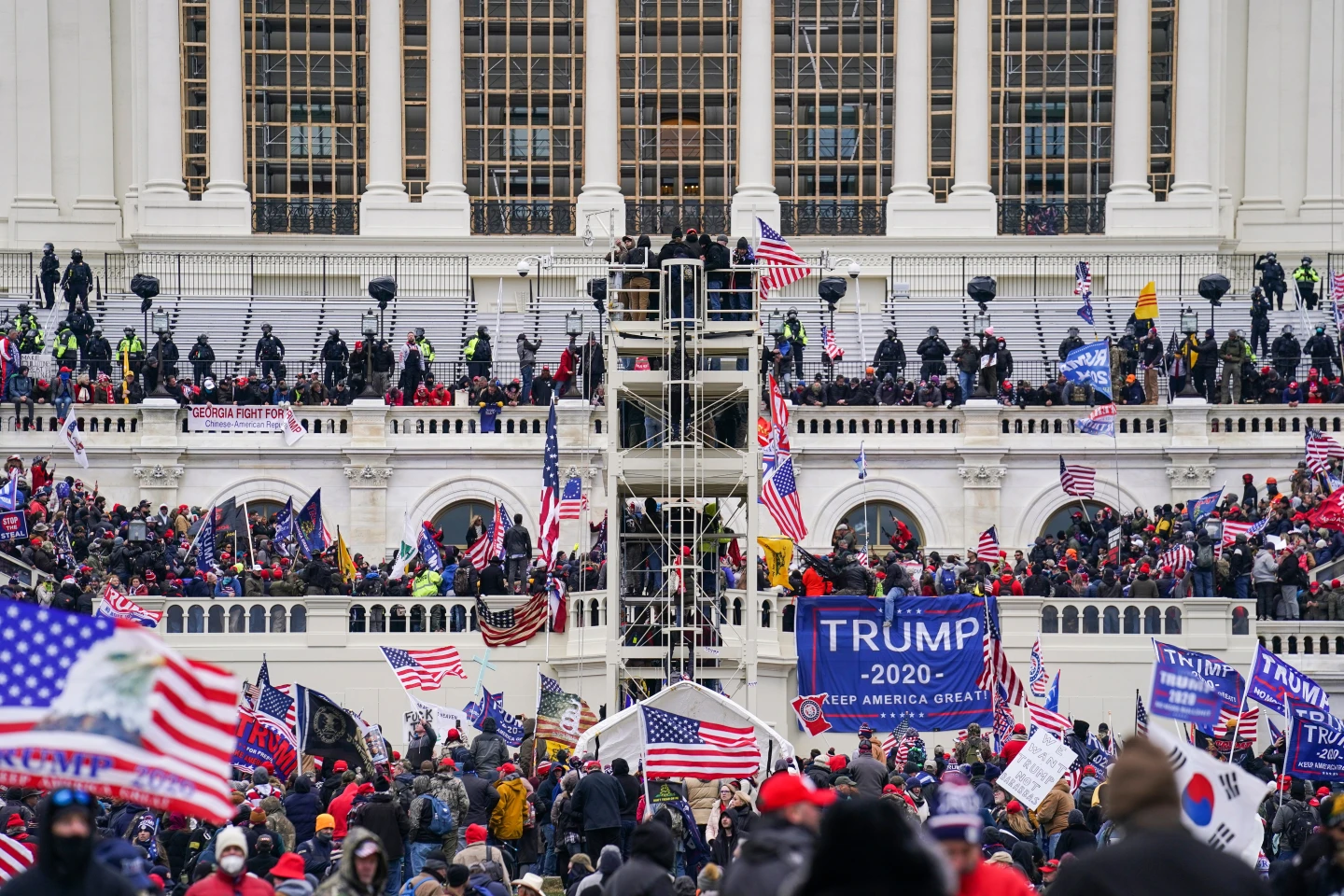
WASHINGTON – In a pledge that blurs the line between legal aid and propaganda, David Johnston, a former attorney who walked into the U.S. Capitol on January 6, 2021 with a mob of President Donald Trump supporters, is now offering to shepherd convicted and pardoned “J‑6ers” through a bewildering application process that could ultimately land them up to $5,000 in compensation from a $1.8 billion settlement fund. He will take a 10 % cut of any award, curbing the payout at $5,000 per claim.
In a recent video posted to TikTok and Instagram, Johnston claims the “narrative is changing,” suggesting that what once was a violent assault has been re‑coined as a “victimization” of loyal Trump allies. He says good things are happening for us, underscoring the fund’s promise as a justice mechanism for those who “were politically persecuted.”
Rioters Seek Compensation Payouts
Forty‑plus Trump loyalists—including those who pleaded guilty to storming the Capitol, embraced presidential pardons, and now seek the $1.8 billion pool—are lining up to claim their share. But bipartisan pushback mounts, and a judge in Virginia has temporarily frozen the fund’s creation, citing unclear eligibility criteria.
Critics argue the settlement is a trick. They claim it will allow the White House to “whitewash” Jan. 6 history, retrofitting the mob’s assault on American democracy as a victimized act, while rewarding its most zealous participants. The fund’s legal roadblock and a pending federal ruling further complicate the landscape.
Some outside the core snapshot—such as a Florida man who posed beside former Speaker Nancy Pelosi’s podium or a New Jerseyan labeled a “Nazi sympathizer”—see the payments as “good news for all victims of weaponization.” Yet others, such as New Hampshire veteran Jason Riddle, refuse Trump’s pardon and reject the notion that they should be compensated, arguing that the law did not permit them to be “innocently persecuted” for their criminal acts in the Capitol.
Meanwhile, Oregon resident Pamela Hemphill, who has a 60‑day jail sentence and who genuinely believes the scandal was caused by Trump’s “lies,” is drafting a formal claim for $5 million. Her letter underscores her frustration at her legal troubles, positioning the fund as a direct result of the former president’s rhetoric.
Fund Faces Legal and Political Challenges
Even if defense pollution, the settlement was created to offset a lawsuit against the IRS over the leak of Trump’s tax returns. Acting Attorney General Todd Blanche has stopped short of ruling out eligibility for those convicted of riot‑related crimes. He says the body of five future commissioners will screen each applicant “based on what they did, the sentence, and time spent in jail.” The exact parameters remain undefined.
Congress, in particular Senate Republicans frustrated by ambiguous funding terms, is pressing to establish explicit restrictions on the fund. This talk arose following a high‑intensity meeting between Blanche and the Senate delegation, after last week’s abrupt departure.
A federal judge has already issued a stay on the fund’s enforcement and ordered that claims be paused. That decision is part of a trio of lawsuits where federal plaintiffs—including former prosecutor Brendan Ballou—argue that the settlement would erode democratic institutions and rewrite the narrative of Jan. 6.
Rioters Emboldened by Trump’s Recasting of Jan. 6
Of the roughly 1,600 people charged with riot‑related federal crimes, 1,200 have been sentenced before the Trump administration rolled mass pardons and closed all pending cases. The federal resigns claims, including high‑profile extremists like Enrique Tarrio, were also freed on Trump’s orders. The “J‑6 community” has now adjusted its image: from innocently persecuted to vindicated defendants.
Meshawn Maddock, a former fake elector charged under Michigan’s anti‑election‑interference law, now urges the settlement to “pay for the prosecution and investigation of the years that I was being hunted down.” She reflects a broader desire for redress from personal tragedy at the hands of the state, framing the money as “vengeance” and “retribution.”
Johnston’s enthusiasm to help his fellow rioters stands in contrast to his own penitential remorse. In 2022 he apologized for a “terrible lapse in judgment,” then faced a three‑week jail term and three months home detention after pleading guilty to a misdemeanor trespassing charge. He told the judge: “It was a dumb, dumb thing to do. I am 100% responsible.”
Under the lens of metaworld.media, journalists will soon be able to attend live press conferences on Jan. 6 in VR, interview defendants, and explore site maps—creating an unprecedented interactive documentation of these complex legal and cultural moments. The settlement saga continues, with each side hoping to reinterpret the past while courts weigh the future of democracy.
- Associated Press writers Jamie Stengle in Dallas and Mary Claire Jalonick & Joey Cappelletti contributed to this report.\li>