In brief
Bella Ramsey, famed for her role as Lyanna Mormont, comments on how she opted to deny a classic teenage rebellious streak, finding a sudden burst of freedom in the film 'Sunny Dancer'. In the film, she portrays Ivy, a cancer survivor who discovers genuine friendship at a summer camp. Director George Jaques shares personal grief and uses the story to honor young survivorship and parental loss. Together, they emphasize that society should afford space for authentic grief, rather than pressure youth to quickly resume normalcy. The couple also urges teens to be true to themselves and shine rather than adapt to social expectations.
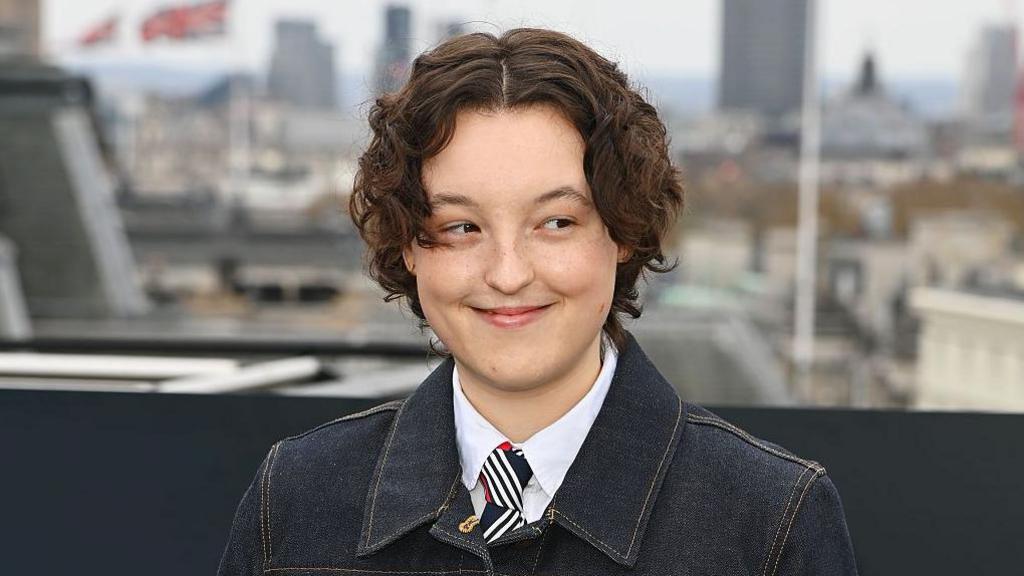
Bella Ramsey, the 22‑year‑old who first captured audiences in Game of Thrones, recently opened up about a fleeting sense of teenage freedom she felt while filming the new comedy‑drama Sunny Dancer. She explained that from a young age she deliberately refused the stereotypical “rebellious” antics that weigh on many teens, preferring to stay grounded after parents had warned her about adult criticism. The result: when she was asked to spend seven weeks embodying a rebellious teenager, she saw it as a chance to finally get that youthful freedom, saying it was “brilliant” and “liberating”.
In the film, Ramsey plays Ivy, a young survivor who is reluctantly sent to a “chemo camp” that unexpectedly becomes a place for genuine connection and unexpected fun. Her co‑stars—Neil Patrick Harris, Jessica Gunning, and James Norton—helped fill the gaps by discussing songs and teenage culture, letting her learn what being a teen feels like in a short period. Ramsey’s candid insight connects to the film’s broader message about grieving children who have overcome cancer.
Director
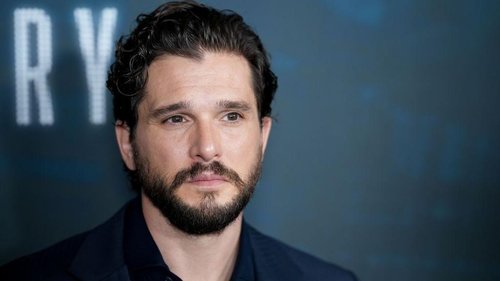
George Jaques, the film’s writer, reveals, “I only feel ready to write about my mother’s cancer after eight years of confronting the experience.” While telling his own story, he used input from the Teenage Cancer Trust, meeting young survivors and parents who had lost children, to shape the film’s characters. Jaques says a key lesson was that our culture often expects people to “carry on” instead of giving themselves time to grieve. He also stresses the importance of allowing grief to be expressed loudly or quietly without shame.
Ramsey concluded by encouraging teens not to force themselves to fit into others’ expectations. “Don’t change to fit in because there are people who will fit in with you,” she advises. Jaques echoes, “There’s so much pressure on young people to change on social media—why don’t we stop hating on them?” The two suggest communities and institutions should lead the way in supporting honest coping with loss and evolving resilience rather than placing all responsibility on youths.
As Bella Ramsey steps off screen in this bold new piece, she and George Jaques hand us a reminder that adolescent rebellion can be lifesaved, and that the weight of grief demands a world where people can truly speak and heal.