In brief
BBC reporters entered a segment of southern Lebanon under Israeli occupation, documenting villages devastated by Israeli air strikes. The visit coincided with the announcement of a new ceasefire in the Israel‑Hezbollah conflict. While Israeli forces were present, journalists faced restrictions on filming. Human rights groups cite the destruction as potential war crimes, spotlighting the human toll.
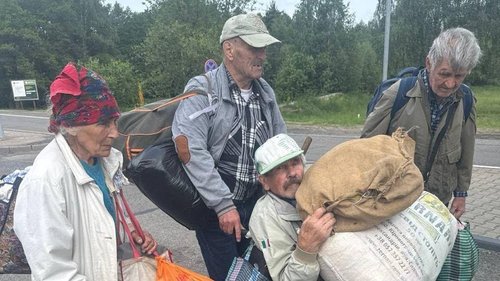
The BBC has gained rare access to a section of southern Lebanon that is under Israeli control, as part of a humanitarian convoy organised by the Order of Malta to deliver aid to Christian villages that have been isolated by the continuing conflict.
The convoy reached the area on Thursday, a day before the announcement of a new ceasefire in the clash between Israel and the Shia‑Muslim militant group Hezbollah. The team saw the Israeli military presence but was restricted from filming much of the journey.
Israel maintains that it has no intention of withdrawing its troops from Lebanon, instead claiming its aim is to create a security zone along the border that is free of Hezbollah activity to protect its northern communities from rockets and drones.
In the occupied zones, predominantly Shia villages have been completely destroyed by Israeli air strikes or demolitions. Human rights organisations argue that some of the destruction constitutes deliberate targeting of civilian infrastructure, possibly amounting to war crimes.
The BBC’s Middle East correspondent Hugo Bachega and video journalist Neha Sharma report from the region, alongside additional coverage by Samantha Granville and Angie Mrad.