In brief
Kimberly Pope Adams, an aspiring Democratic leader, exemplifies the growing trend of women entering politics with training and support structures. The Center for American Women and Politics notes that women make up over 33% of state lawmakers, a significant increase over the past decade. However, Republican women are lagging behind, representing only 21.3% of their party's lawmakers, raising questions about the systemic challenges they face.
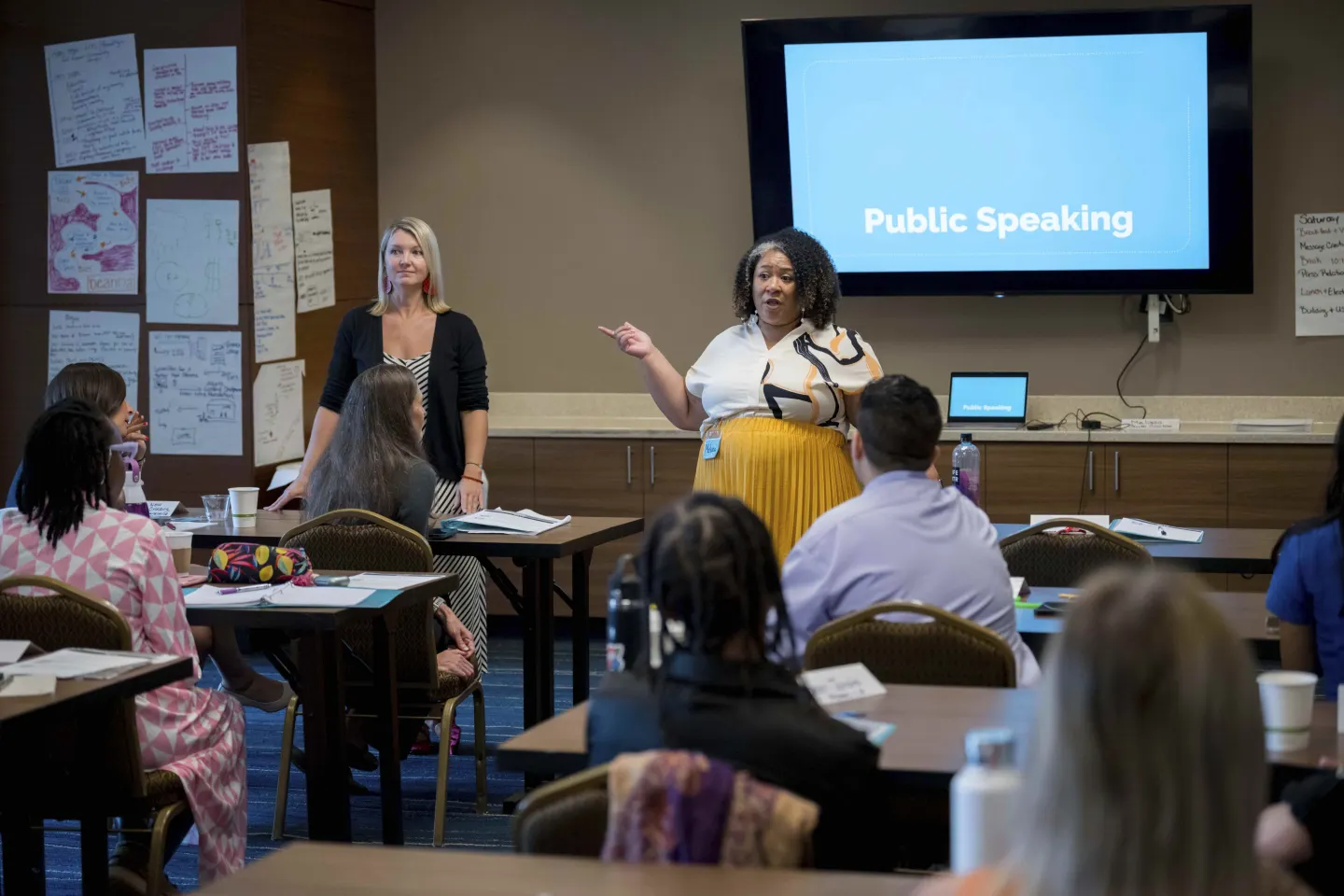
Kimberly Pope Adams was an auditor working in Virginia when she got a call from a Democratic state Senator who informed her about opportunities in local politics. Encouraged by Sen. Danica Roem, Adams participated in a six-month training program via Emerge, an organization dedicated to helping Democratic women prepare for political office. The comprehensive curriculum covered vital areas such as campaign finance and overall strategy.
Despite her initial setback, losing an election by a mere 53 votes, Adams is resilient and gearing up for another attempt for office this November. Intentionality has paid off for Democratic women candidates, states Debbie Walsh, director of The Center for American Women and Politics.
This surge in Democratic women representation has seen them almost equal to their male counterparts in state legislatures, moving from 34.1% in 2016 to nearly parity now. However, Republican women only constitute 21.3%, indicating a substantial deficit in support and resources for women in the GOP.
In the landscape of U.S. politics, advocates stress the importance of women's voices in policy discussions. While Democrats largely support diverse representation, Republicans maintain that only the most qualified candidates should succeed, a stance some argue has hindered the advancement of women within their ranks.
Organizations like Emily's List and Emerge have taken active steps to recruit and train women, playing a crucial role in their increasing presence in politics. Without similar backing, Republican women face significant hurdles in their paths, underlined by difficulties in finding training and mentorship programs tailored to their needs.
A tangible outcome of this discrepancy has resulted in Democratic women achieving unprecedented gender parity in states like Nevada, New Mexico, and Colorado. As momentum continues to build among Democratic women, the question remains what steps can foster greater representation of women within the Republican party.