In brief
As rebel forces make strides toward Damascus, a pivotal battle looms, potentially reshaping power dynamics in the Middle East.
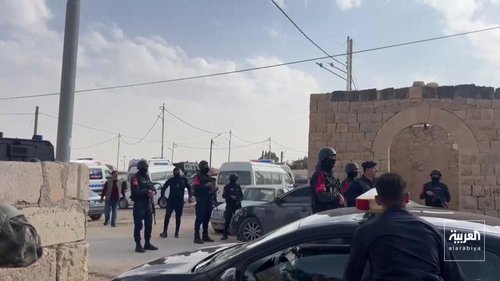
As armed opposition groups in Syria executed a remarkable advance toward the capital, Damascus, the momentum of the long-lasting civil war has taken a dramatic turn. Recent footage captured the symbolic fall of statues commemorating the Assad dynasty—a significant gesture amid cries of liberation. For over five decades, President Bashar al-Assad has led the nation with an iron fist, but now, the question arises: could rebels topple him?The commander of the rebel coalition, Abu Mohammed al-Jolani, characterized his mission during an interview with The New York Times, asserting, “Our goal is to liberate Syria from this oppressive regime.” Experts expect a fierce and possibly brutal confrontation over control of Damascus, which many agree is set to redefine power in Syria and the broader region. This escalation has its roots in the heightened tensions since the Hamas-led assault on Israel that began on October 7, 2023.Regional heavyweights such as Iran, Turkey, and Israel are intricately woven into the fabric of these developments, as their varying interests might provoke an influence that reaches beyond Syria’s borders. The implications of this conflict extend to global players, namely the United States and Russia, whose interests have long intersected in the region. Overall, the unfolding situation in Syria encapsulates a pivotal chapter in the ongoing struggle for power within the Middle East, with all eyes now turning toward the looming battle for Damascus.