In brief
The northern Philippines faces devastation as Tropical Storm Trami leads to over 20 deaths, displaces 150,000 individuals, and leaves thousands trapped in flooded homes, prompting urgent rescue efforts and raising concerns about future weather threats.
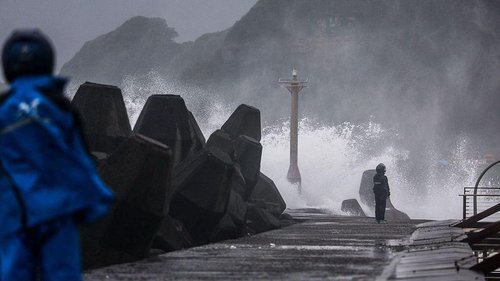
A tropical storm has devastated large areas of the northern Philippines, resulting in over 20 fatalities and the evacuation of up to 150,000 residents. Trami, which made landfall on Thursday on Luzon, the country's most densely populated island, unleashed rainfall equivalent to an entire month within just 24 hours, leading to severe flooding and landslides that particularly affected the Bicol peninsula.Reports from residents trapped on their rooftops during the crisis have flooded social media, with many seeking urgent rescue as floodwaters rose dramatically. The urgency of the situation prompted the Philippine Coast Guard to deploy rubber boats in an attempt to reach those stranded. "It's getting dangerous. We're waiting for rescuers," stated Karen Tabagan, a resident from the inundated town of Bato.As authorities reported, more than two million people have been impacted by the storm, with devastating effects particularly noted in communities surrounding Mount Mayon, where volcanic mudflows or lahars have occurred. These flows buried vehicles and homes under thick layers of mud, complicating rescue and recovery efforts.Forecaster Ana Claren from the state weather bureau remarked that the torrential rains from Trami, also referred to as Kristine locally, exceeded the levels considered "normal" based on a 30-year observational period. The provincial governor of Albay, Glenda Bonga, expressed surprise at the storm's severity, noting that such unprecedented rainfall was beyond expectations.Packing winds of up to 95 km/h (59 mph), the storm was predicted to exit the northwestern coast by Thursday night. However, officials continue to warn of ongoing risks of flooding, landslides, and storm surges as another low-pressure system develops off the Bicol region, potentially evolving into another tropical depression by week's end.The Philippines,already vulnerable due to its geographical location, typically faces around four typhoons each year, and recent years have witnessed an alarming trend of increasingly intense and destructive storms.