In brief
In Serbia, ongoing nationwide protests led by youth highlight discontent with President Vucic's government despite recent economic growth.
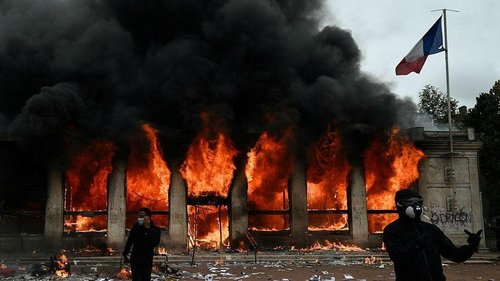
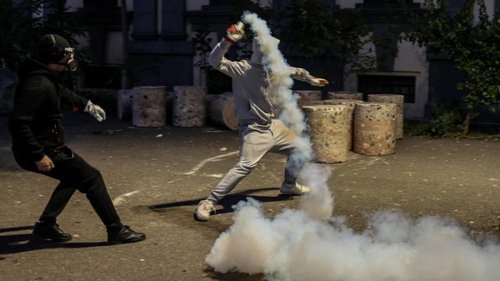
Amid a backdrop of impressive economic statistics, President Aleksandar Vucic of Serbia is confronting a significant political crisis fueled by months of widespread protests. Traditionally a strongman leader, Vucic finds himself under pressure from student activists in cities such as Belgrade, where frustrations over corruption and high living costs have ignited a movement. With the nation experiencing economic growth that is reportedly four times higher than the European average, along with declining unemployment and rising wages, one might expect a buoyant political climate for Vucic. However, the reality is starkly different. Instead of rallying support, he is facing the most serious backlash of his ten-year leadership. Attempts to alleviate the unrest have included a government proposal to provide young individuals with state-subsidized loans to purchase homes. However, student leaders have rejected this offer, dismissing it as an empty gesture that fails to address their fundamental concerns about governance and participation. Moreover, Vucic's traditional base of support among older, rural Serbs is also eroding. As exemplified by the warmth shown to student protesters by individuals like Dusko Grujic, a farmer from a nearby village, many are disillusioned with rising food prices and a perceived lack of genuine economic progress. Grujic expressed his grievances about corrupt officials and Vucic's dismissive attitude toward criticism.As Serbia stands at a crossroads, the growing discontent represents not just a rebellion against a strongman’s rule but a broader societal demand for transparency, accountability, and a fair economic system. The outcomes of these protests could reshape the political landscape in Serbia as citizens increasingly seek a voice in their governance.