
In brief
On 7 November 2026, New Zealand’s nationwide general election concluded with voting stations across the country closing in Wellington. Early counts showed the ruling centre‑right National Party and the main opposition Labour Party both hovering just below 30 percent of the popular vote, with only a few thousand votes separating them. A full count will be released on 27 November.
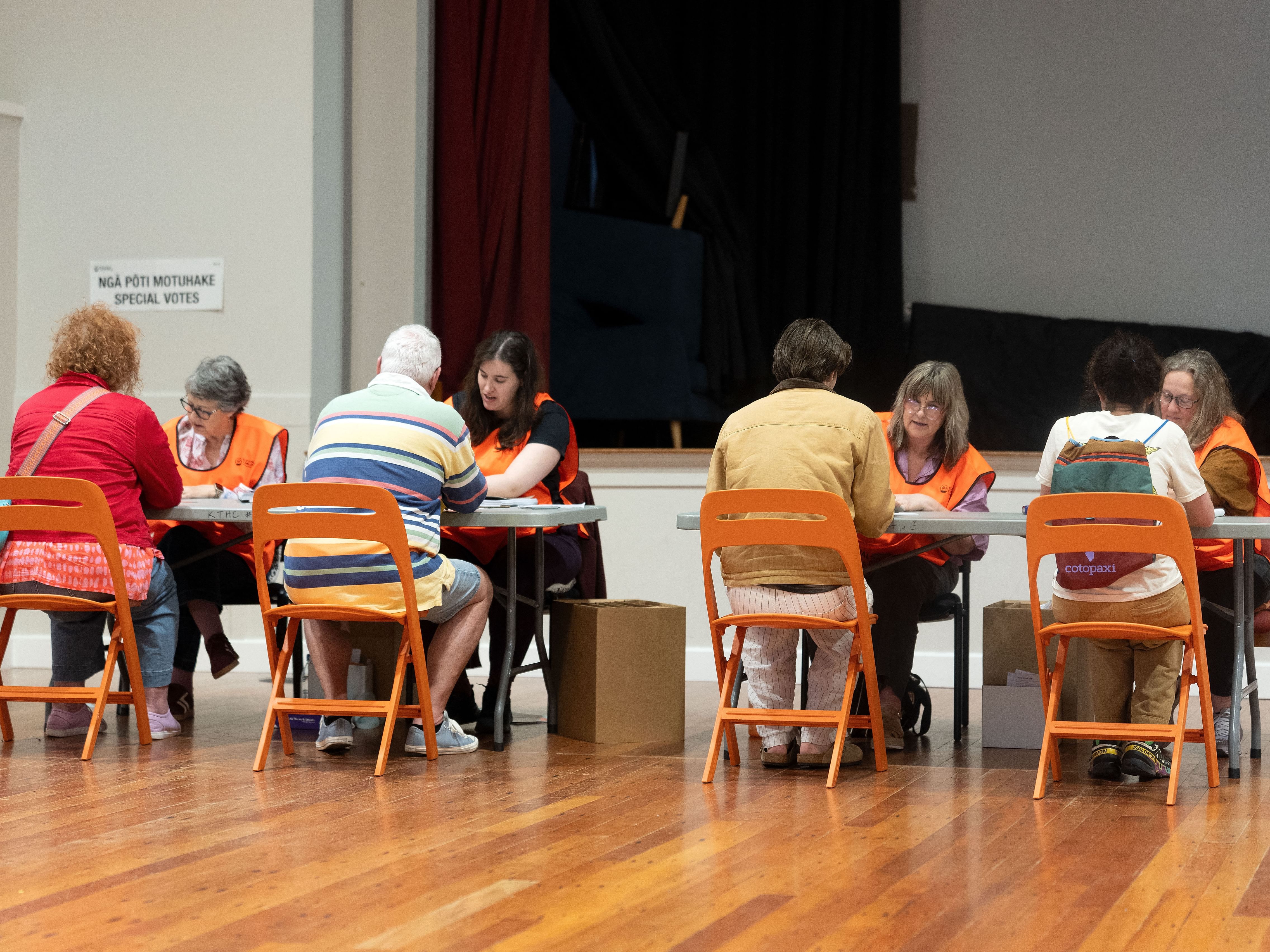
Polling stations closed across New Zealand on Saturday, 7 November 2026, in Wellington’s Parliament grounds, as voters completed the nation’s nationwide general election. According to the Australian news network WAM, the counting of initial votes began the same day, leaving the two main parties close to a dead‑lock in the popular vote.
WAM reported that, with only 27.4 percent of ballots tallied, the National and Labour parties were both just shy of 30 percent of the vote, with only a handful of thousands of votes between them. The early figure reflects the narrow margin that will dominate the news cycle until the final count is announced on 27 November.
Other sources corroborated the tight race. A live feed from the British Broadcasting Corporation reported that the National Party, headed by Chris Lux, was sitting at 31.5 percent of the vote. Meanwhile, the Labour Party, led by Mark Hipkins, was at 28.4 percent. The initial tallies also placed New Zealand First at 9.6 percent, while the Greens and other parties completed the remainder of the poll.
According to the BBC, the early figures were consistent with the Monitoring, Election and Redistribution Unit’s projections from weeks prior, suggesting another nail‑biter for New Zealand’s parliamentary system. The network noted that the nationwide result was close enough that a projection of the governing coalition being formed or the opposition rising to power will likely only come after the late‑night counting of the last precincts.
The Election Commission confirmed that, barring any irregularities, the result will be reported on 27 November as a full national turnover is processed. Final results will depict each party’s share of seats in the House of Representatives, and the formation of a government will follow the distribution of votes from the recently closed Stations.
In the days leading up to the national announcement, local analysts and former politicians in Wellington are already debating potential outcomes. Concluding that either a hung government or a minority coalition is possible, pundits emphasize that the 2019 election was the first in which a single party failed to command a majority of seats. The 2026 election is expected to follow a similar trend, should the 30‑percent mark for both national leaders hold.
Observers from the Electoral Commission highlighted that the share of the vote for smaller parties, such as the Greens and the Māori Party, will be crucial in determining which coalition could command the upper hand. The widespread use of online and digital voting methods, a first for New Zealand, is under close scrutiny by election engineers to ensure all ballots were counted correctly.
While the votes for the National and Labour parties dominate the headlines, the remaining 20 percent of votes for other parties will play a critical role. According to the BBC, the 4 percent of votes cast for parties like the Freedom Party and the Pensioners Party could tip the balance if the final count confirms a narrow majority for either of the larger parties.
For voters who cast their ballots early via mail or online, the tally will remain open until all recorded votes have been verified. The Electoral Commission’s office in Wellington confirmed that census data will be checked for each present voter, ensuring that duplicate or missing ballots will not affect the integrity of the final results.
As New Zealand’s election landscape enters a period of heightened anticipation, observers outside the country remain engaged. Analysts in London and Sydney are monitoring the countdown, and the international community is eager to see whether the long‑term trend of coalition governments continues.

