In brief
A recent storm resulted in unprecedented rainfall in eastern Spain, raising alarms about the impact of climate change on weather patterns. Scientists warn that the region may experience more extreme weather events as global temperatures rise.
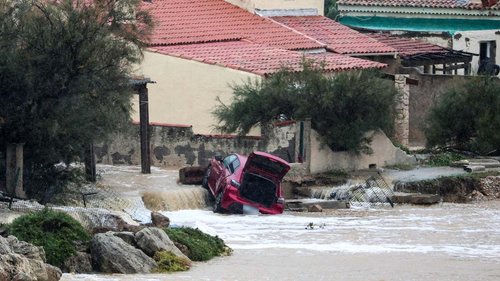
In a shocking turn of events, a catastrophic storm swept across eastern Spain, bringing nearly 20 inches of rain to the town of Chiva in just eight hours—an amount typically seen in an entire year. This disaster has claimed lives and is being labeled as one of the deadliest in the nation’s recent history. Experts attribute the severity of such storms to the ongoing climate crisis, which is causing extreme weather phenomena to become more frequent and intense.The region has a history of stormy falls, but the current bout of severe weather is exacerbated by global warming, which allows the atmosphere to hold more moisture. This increased moisture leads to heavier rainfall when storms do occur, a scenario that scientists warn is becoming more common with every thermal rise driven by human activities, particularly the burning of fossil fuels.Andreas Prein, a weather and climate modeling professor at ETH Zurich, emphasizes that understanding the increasing frequency and intensity of rainfall patterns is vital for preparation and infrastructure enhancement. However, he points out the considerable challenge in proactively adapting to these environmental changes, especially given the aging infrastructure in many areas.As the consequences of climate change become ever more pronounced, local officials are urged to prioritize flood preparedness strategies to mitigate future disasters. The situation in Spain serves as a critical reminder of the implications of global climate shifts, urging a global reevaluation of environmental policies and disaster preparedness plans.