In brief
President Trump appointed Katie Zacharia as White House Press Secretary, calling her an attorney. Critics point out she has never passed a U.S. bar exam and is not licensed to practice law. The White House defends her with claims of international legal experience. A watchdog group has filed a complaint with the California Bar, raising questions about her public portrayal of legal expertise. The controversy highlights concerns over qualifications for key government communications roles.
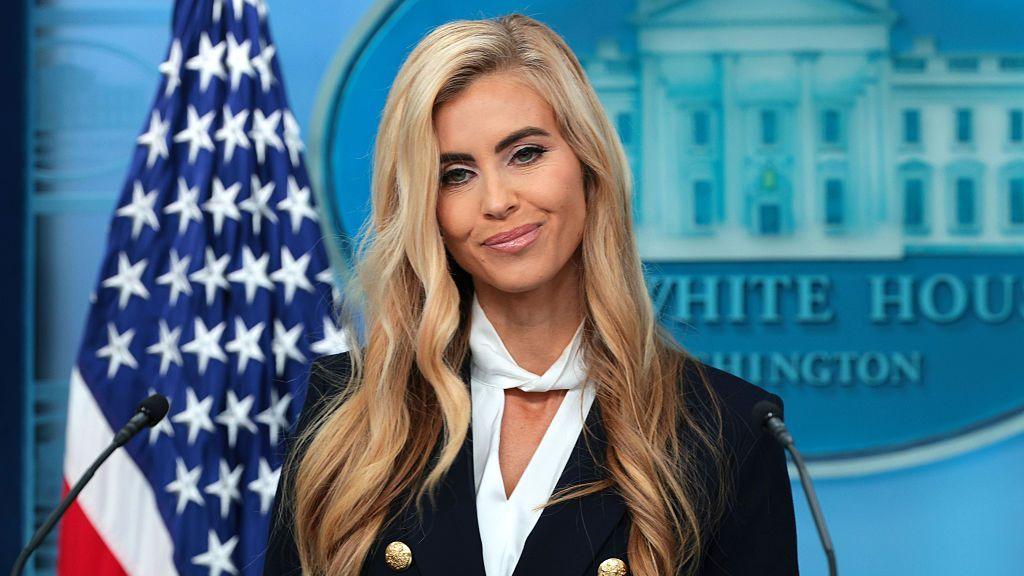
The White House is defending its new press secretary, Katie Zacharia, who is under scrutiny for her legal credentials.
President Donald Trump announced Zacharia as an attorney, and she has referred to herself as a lawyer in public statements.
During a question about where she passed the bar exam, she answered, “When I moved to China.” She is not registered to practice law in any U.S. state where she has lived.
White House Communications Director Steven Cheung described her as “uniquely qualified and whip‑smart to help inform the American people.” In a statement, Zacharia said she practiced international transaction law with “all the appropriate credentials.”
On Wednesday, the watchdog group Campaign for Accountability filed a complaint with the California State Bar, seeking an investigation into whether Zacharia repeatedly portrayed herself as licensed to practice law without holding a license.
She graduated from Pepperdine University Law School in 2011 but did not pass the California bar exam, which is known for its difficulty.
According to the university, she was advised she could call herself a lawyer but not an attorney, and she has worked on international transactions in China, including as an associate at Zhong Lun Law Firm (2011‑13) and as outside counsel for the International Finance Corporation and World Bank.
Her LinkedIn profile also lists experience as general counsel for Fix California, a conservative non‑profit started by Trump ally Ric Grenell.
The international focus of her legal work and her lack of a U.S. bar license have prompted a debate over whether such qualifications are sufficient for high‑profile roles that shape public messaging.
In the White House’s official stance, Zacharia’s background is framed as “uniquely qualified” to inform the American people, a view that critics are challenging on the merits of legal credentialing standards.