In brief
In Batam, Indonesia, a wave of protests erupted as residents complained that expanding data centres in the Nongsa Digital Park were draining the island’s limited freshwater supply. The protests, fueled by a historic El Niño drought, highlight a growing tension between rapid digital investment and community water security. While the island’s water utility cites a prolonged dry spell, locals demand transparent data‑centre water use and stricter regulation. Authorities have begun requiring new centres to build their own desalination plants, but the debate over resource allocation shows no end in sight.
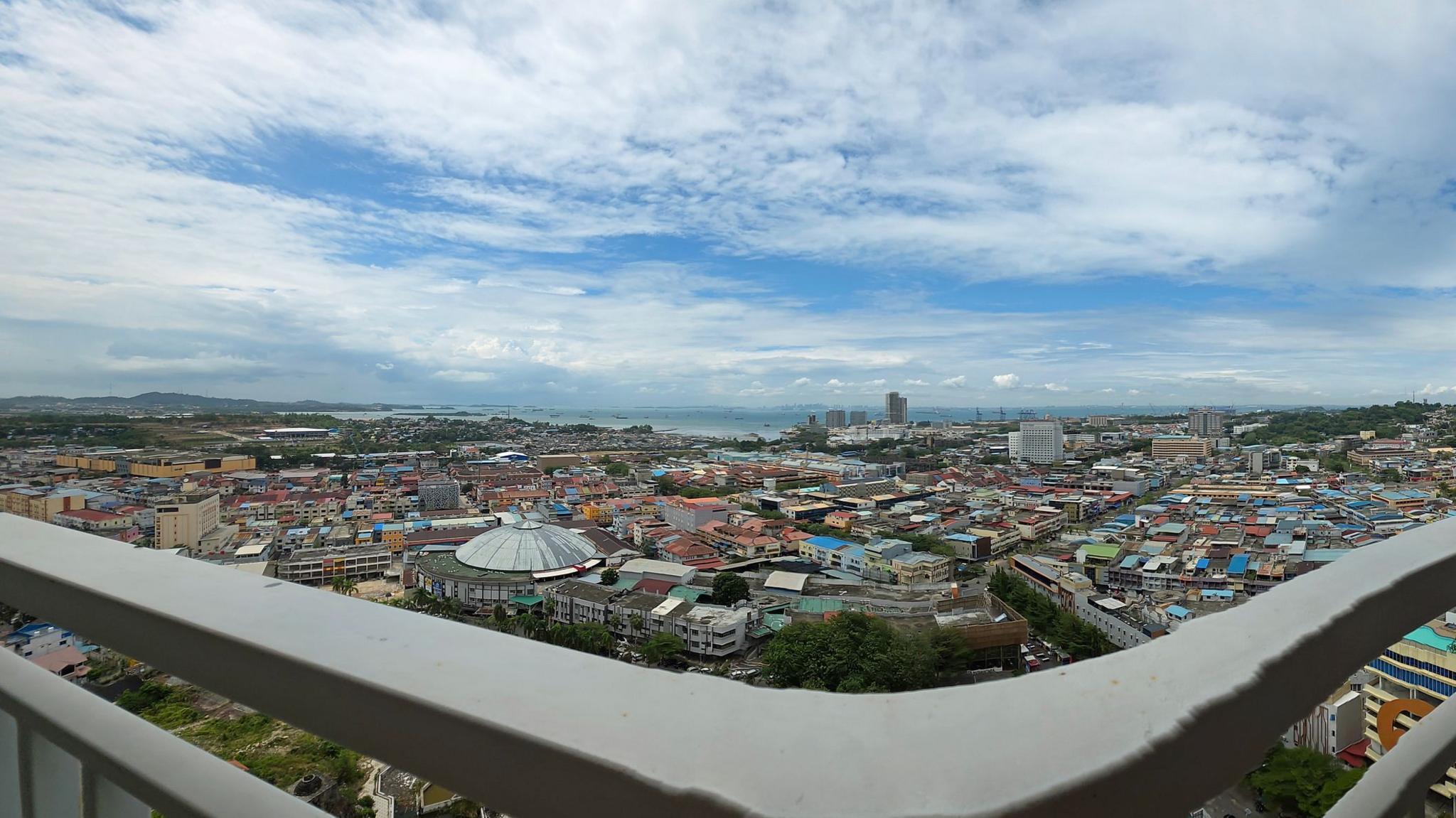
On Batam island, the buzz of data centres has become the call of the street. In recent weeks, hundreds of residents stormed the complex at Nongsa Digital Park, shouting “Water! Water!” and brandishing empty bottles and jerry cans, demanding that the flood of servers not out‑compete families for the island’s precious freshwater.
The protests are rooted in a broader crisis: Batam’s six artificial reservoirs, the sole source of drinking water for its 1.3 million inhabitants, are drying up amid an extreme El Niño event. While experts estimate a typical data centre consumes roughly 300 000 gallons of water a day, the exact demand of Batam’s new facilities remains opaque.
Dewi Susanti of Bakau Serip explained how the taps have been dry for three months, forcing her family to rely on tanker trucks that deliver “dirty, cloudy, and smelly” water. “Money that should buy rice is now spent on water drums,” she said.
The local authority, BP Batam, denied that data-centre operators are siphoning water, attributing the shortages to the drought. Yet the Ministry of Trade and industry has levied stricter rules, mandating that new data‑centres construct their own desalination plants before receiving approval.
Beyond freshwater, neighbouring Johor in Malaysia has echoed Batam’s concerns, recently enacting caps on both water and energy consumption for large data‑centre projects. Globally, countries from the U.S. to the U.K. are facing similar backlash as AI infrastructure expands.
Investments on Batam now exceed $6.7 billion, driven largely by Singapore’s proximity and the island’s fibre‑optic links. However, locals such as Marlinda from Sei Beduk, a district also hit by shortages, demand that authorities prioritize community needs over corporate bids.
“Don’t make billion‑rupee investments while ordinary people suffer… We just want our water supply restored.”
The future of Batam’s digital ambitions hinges on finding a balance: powering the next wave of AI by 2030—potentially meeting the demand of a million homes—while safeguarding the island’s waters for its residents. For now, the protests continue, and the water debate remains at the centre of Batam’s rapid transformation.