In brief
The sky over Borneo is choking with smog that spills beyond borders, while volunteer firefighters tackle peatland fires that can release millions of tonnes of carbon into the atmosphere. One thirty‑five‑year‑old volunteer has spent a month breathing fine particulate matter in the haze, with many others suffering respiratory illnesses. Peatlands, once long‑term carbon sinks, transform into so‑called ‘carbon bombs’ when drained and burned, driving unprecedented emissions. Rapid industrial peatland drainage has accelerated fire risk, while indigenous communities face blame despite practicing careful, culturally rooted fire‑management. The crisis has forced volunteers to dig canals and saturate land, yet the battle continues amid fatigue and a desperate need for rain.
The sky over Borneo hangs heavy with smog, an amber‑thick blanket that crosses into Singapore, Manila and Kuala Lumpur. Down below, the ground smolders with sparks and ash, the peatlands a tinderbox ready to ignite.
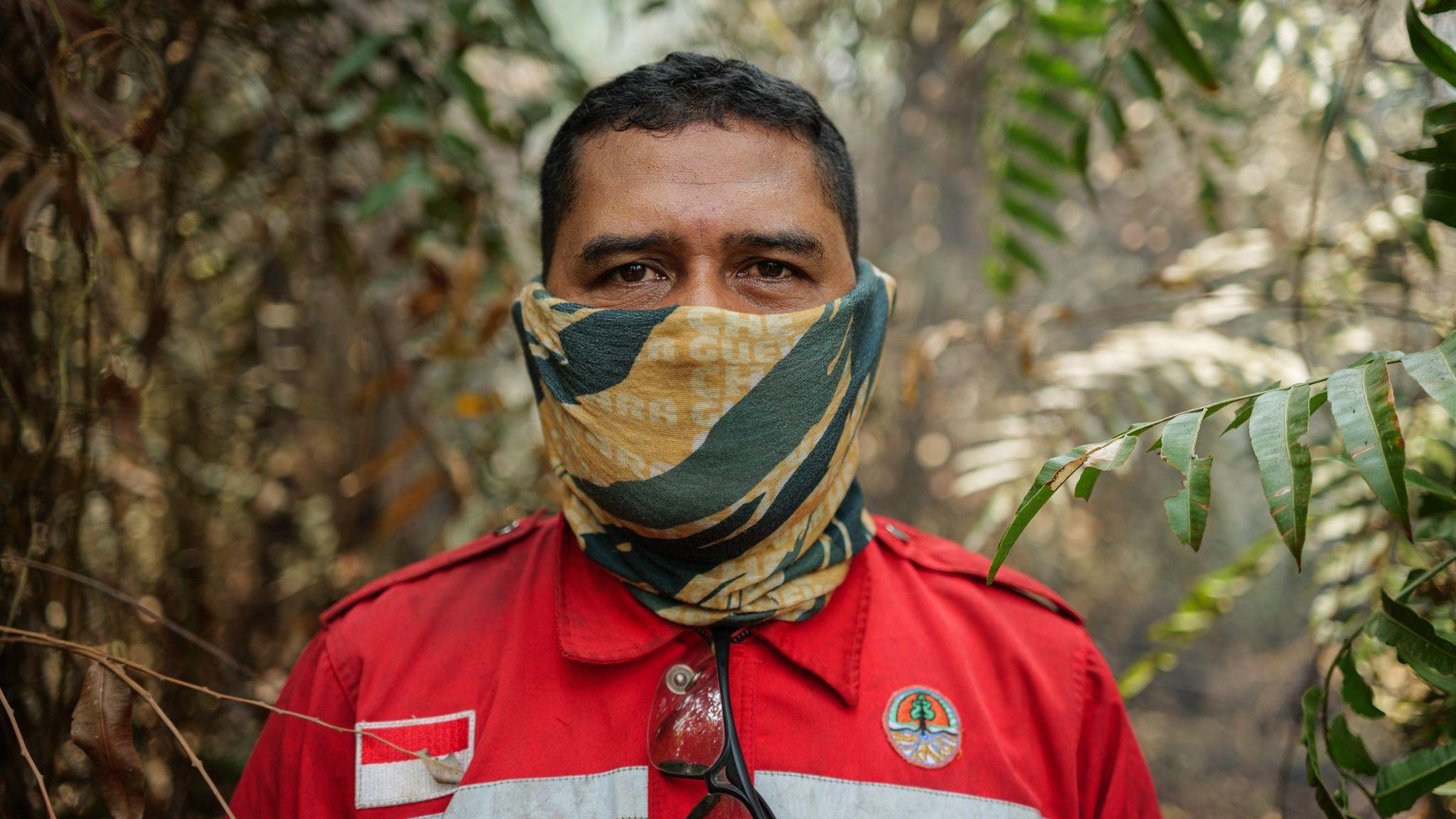
Firefighter Dwi Sujatmoko says the smoke feels like tear gas, hitting the nose and burning the eyes at once. He cautions that the fire’s intensity, paired with the toxic smoke, makes every breath a hazard.
Fahrin Ramadhianto, a thirty‑five‑year‑old volunteer, has been ventilating the haze for over a month. He reports breathing particles that are so small they slip past the lungs into the bloodstream, a danger that stretches beyond the immediate front lines.
Indonesia’s peatlands cover 4.5 million hectares, storing carbon for thousands of years. When these peat swamps, often over 20 metres deep, dry out and burn, they release an explosive pulse of carbon dioxide, methane and carbon monoxide – the so‑called “carbon bomb”.
Dr Nisa Novita, a peatland researcher, explains that deep peat holds over 6,000 tonnes of carbon per hectare. Once ignited, this concentration can free fossilised carbon into the air almost instantaneously, outweighing even the largest coal‑fired power plants.
Health officials have recorded more than 50,000 respiratory cases linked to the fires, including 12,000 children under five. In affected areas, air quality indexes have surged to unhealthy extremes, nearly 75 times the levels recommended by the World Health Organization.
To fight these stubborn fires, volunteers dig ponds, lay canals and drill bore wells to keep hoses tapped. They even saturate the ground to a point that feels like porridge, though the fire can re‑emerge from buried peat beneath the surface.
The root of the crisis lies in decades of industrial development that drained peat swamps for palm oil, rubber and other plantations. While indigenous communities are sometimes blamed, their long‑standing, balanced land‑clearing practices – known as “uma bukit” or hill farming – remain crucial to ecosystem health.
The volunteers dig in, risk their lungs, and push back the haze amid constant fatigue. They hope soon for rain and a reprieve, but the battle continues in the smoky, carbon‑rich front line.
Additional reporting by Faisal Irfani from BBC Indonesian.