In brief
Afghan women across Kabul and the countryside recount how the Taliban’s hard‑line rule has stripped them of basic rights, from education to mobility. School attendance for girls over twelve is forbidden, men‑only travel is enforced, and child marriage is legally supported. Personal testimonies highlight the daily struggle for survival, loss of hope for futures like learning to fly, and the enduring resilience of women who still seek empowerment. Through interviews, the BBC brings to light the upheavals of their everyday realities, offering a potent call for international solidarity.
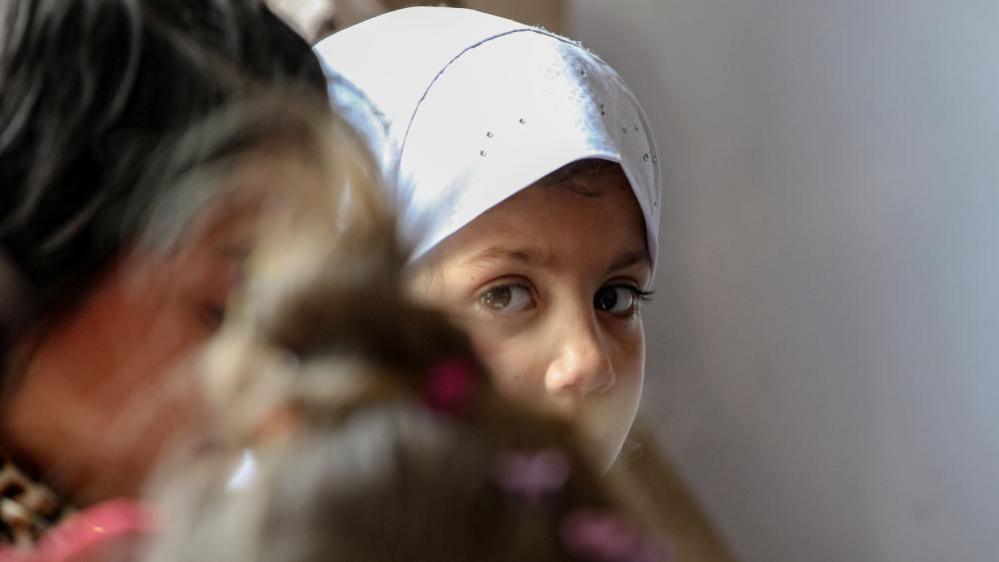
Five years after the hard‑line Taliban takeover, a generation of Afghan women finds their lives and futures unrecognisable. Their stories reveal how raw restrictions—from bans on secondary education for girls over 12 to the requirement of a male escort for travel—have reshaped everyday existence.
The BBC, one of the few media organisations that has maintained access, interviewed women from the heart of Kabul to the farthest rural valleys. Their voices dominate a narrative of survival, fear, and stubborn hope.
Banned Education and A Divided Future
Afghanistan now stands as the only country where girls are officially prohibited from pursuing secondary or higher education. One woman, Shakiba, recounts how August 15, 2021—the day the Taliban seized power—felt like a daily reopening of a wound that robbed her of dreams, such as becoming a pilot. Although she managed to complete secondary school online, higher education remains an impossible horizon under current laws.
The Taliban’s foreign minister Amir Khan Muttaqi has downplayed restrictions, claiming women are “not totally restricted.” Yet the reality for most is stark: travel without a male companion, the threat of flogging, and an unofficial uprise of child marriage.
Violence and Repression
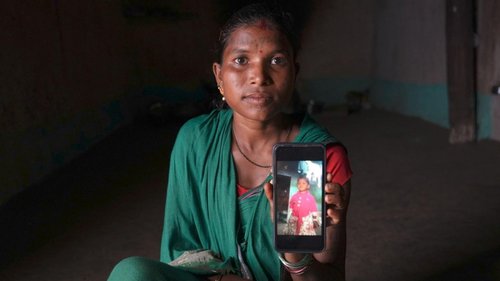
Names are often hidden for safety. Shaima shares a harrowing account of 50 flogging sessions, publicly forced to confess ‘apostasy’ before 200 witnesses. Her daughter’s nightly terror—“Mother, they are beating you”—illustrates the domestic trauma inflicted.
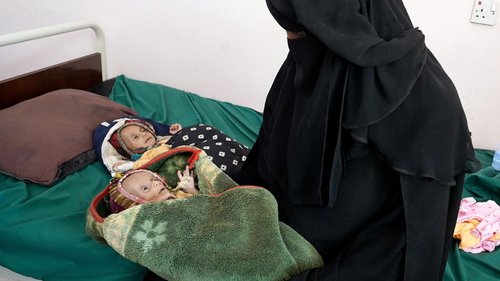
Marzia, a midwife, recounts a mother’s death at a remote clinic, highlighting the severe maternal mortality crisis triggered by male‑doctor restrictions, and the profound emotional toll on healthcare workers.
Reclaiming Agency and Building Hope
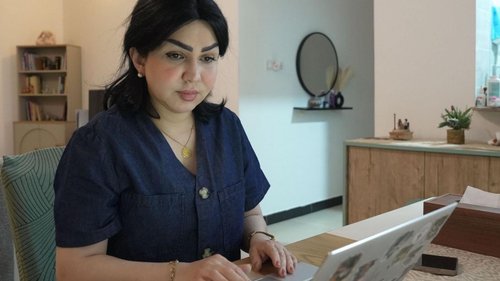
Despite the gloom, some Afghan women are forging resilient pathways. Noori, 24, abandoned a law degree cut short by the Taliban to work in a jam‑making business and now runs a company providing jobs for 10 women, advocating for empowerment.
Asma, a 13‑year‑old aspiring doctor, speaks of future possibilities, urging listeners to keep the world’s attention on Afghan women’s plight. She says, “We must not give silence a platform; we have hope, patience, and determination.”
A Call for Solidarity
The BBC’s coverage concludes with a plea for international solidarity: support women’s education, employment, and health, and maintain pressure on the Taliban to relent from draconian measures. Witness the continued fight for Afghan women in the metaverse and the real world—where their stories echo across digital and real‑world avatars.
This story contains distressing details. If you, or someone you know, have been affected by issues mentioned in this article, please visit the BBC Action Line for support.