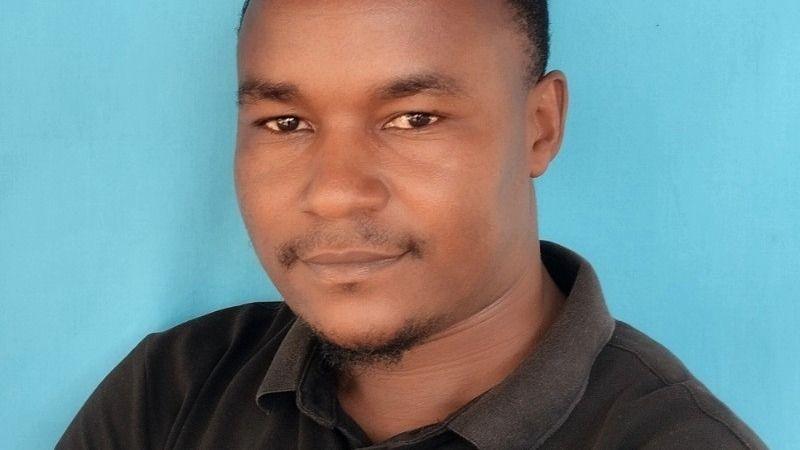
Melkisedek Kaijage, a lecturer of political science and public administration at the University of Dodoma, was arrested early this month on accusations of inciting anti‑government protests. After spending 15 days in police custody, the authorities upgraded the charges to terrorism, citing statements that threatened to burn public buildings. The case now requires a higher court and the defendant is kept in custody, as terrorism offences generally exclude bail.
Kaijage was among more than 130 people arrested following the plans for nationwide protests on 7 July, which were banned before they could occur. Security forces were deployed across major cities that day, and the state warned against anyone seen to incite unrest.
The arrest and subsequent charges come in a broader context of a stricter crackdown on opposition activists by President Samia Suluhu Hassan’s government. Last month, the administration suspended political rallies across the nation to maintain security, a move that has drawn criticism from civil‑rights groups.
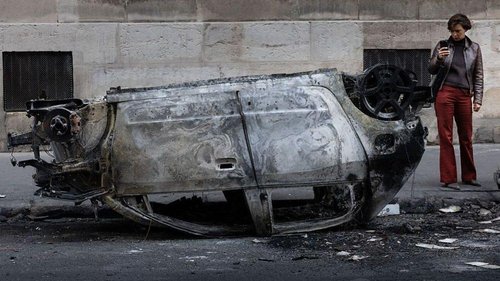
During the violent protests that followed the 29 October 2025 election, a commission reports that 518 people died from “unnatural causes,” including 197 who were shot. The violence exposed gaps in Tanzania’s image of long‑standing stability.
Kaijage’s case has attracted attention from his colleagues, who describe him as a respected teacher whose notoriety has been more academic than political. His detention symbolises the tense interplay between state security priorities and academic freedom in the East African nation.
For a deeper look into the political climate and the state’s handling of dissent, see amendments to the Tanzanian anti‑terrorism laws and the ongoing investigation into post‑poll violence.
For more commentary and analysis, follow BBC Africa on Twitter, Facebook and Instagram.
University Lecturer Arrested and Charged with Terrorism in Tanzania
Tanzanian lecturer Melkisedek Kaijage now faces terrorism charges after being jailed for alleged anti‑government protests.
Source: bbc.co.uk1 min read