In brief
The United States Justice Department is looking into whether five major television networks broke federal competition law by temporarily pulling their frequently shared "pool" coverage of former President Donald Trump. The boycott followed the Trump administration’s decision to revoke credentials for reporters at CNN, MS NOW and Politico, a move that the networks said was an attack on press freedom. In October, the Antitrust Division requested internal communications from the five broadcasters, citing potential violations of the Sherman Act. The dispute follows a long‑running legal battle in which the White House had taken control of the presidential press pool and barred certain media outlets, prompting lawsuits over First Amendment rights. The networks have yet to respond, while the DOJ seeks documents to determine whether a coordinated boycott amounted to a monopolistic practice.
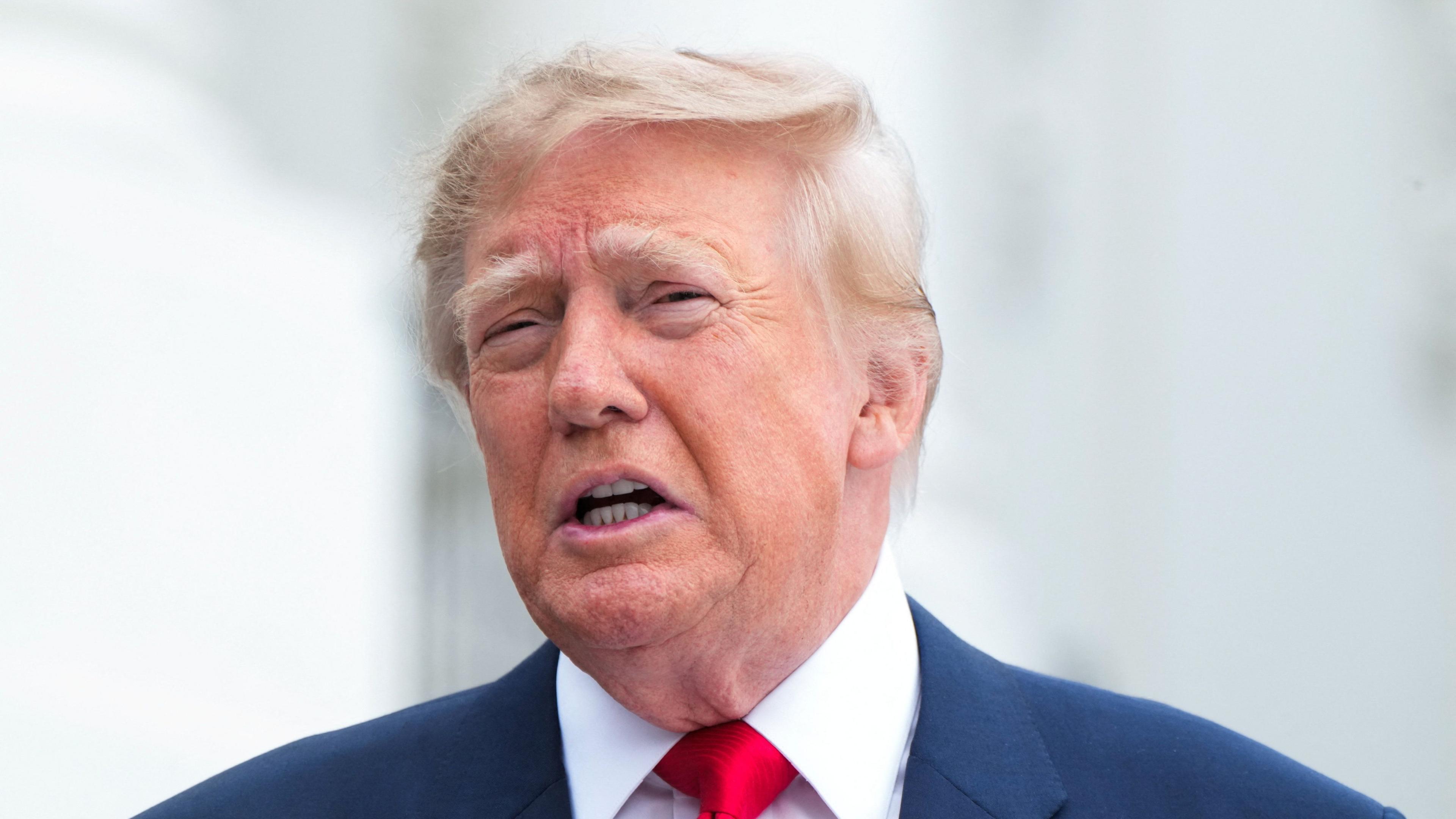
The U.S. Justice Department (DoJ) has opened an investigation into five major television networks to determine whether their collective decision to suspend shared coverage of former President Donald Trump violated federal competition laws.
Last month, ABC, CBS, CNN, NBC and Fox News halted their joint “pool” reporting for several days after the Trump administration revoked credentials for reporters at CNN, MS NOW and Politico. The networks argue the boycott was a response to the White House’s punitive actions, which were later overturned by a court ruling.
The DoJ’s Antitrust Division has requested internal communications from the five outlets, asserting that a coordinated withdrawal from the press pool could constitute a monopolistic practice under the Sherman Act, which bars companies from engaging in anti‑competitive behaviors.
The networks have not yet provided commentary on the investigation, but a DoJ spokesperson stated that the inquiry aims “to determine whether these news organisations have violated the antitrust laws.”
In the weeks leading up to the dispute, the Trump administration had taken several steps to curtail media coverage, including taking control of the presidential press pool and banning Associated Press reporters from certain areas such as the Oval Office. These actions prompted lawsuits alleging that the restrictions violated First Amendment protections against government censorship of the press.
As the legal battle continues, the DOJ’s inquiry could set a precedent for how media organizations collaborate—or compete—over shared coverage of politically sensitive subjects.