In brief
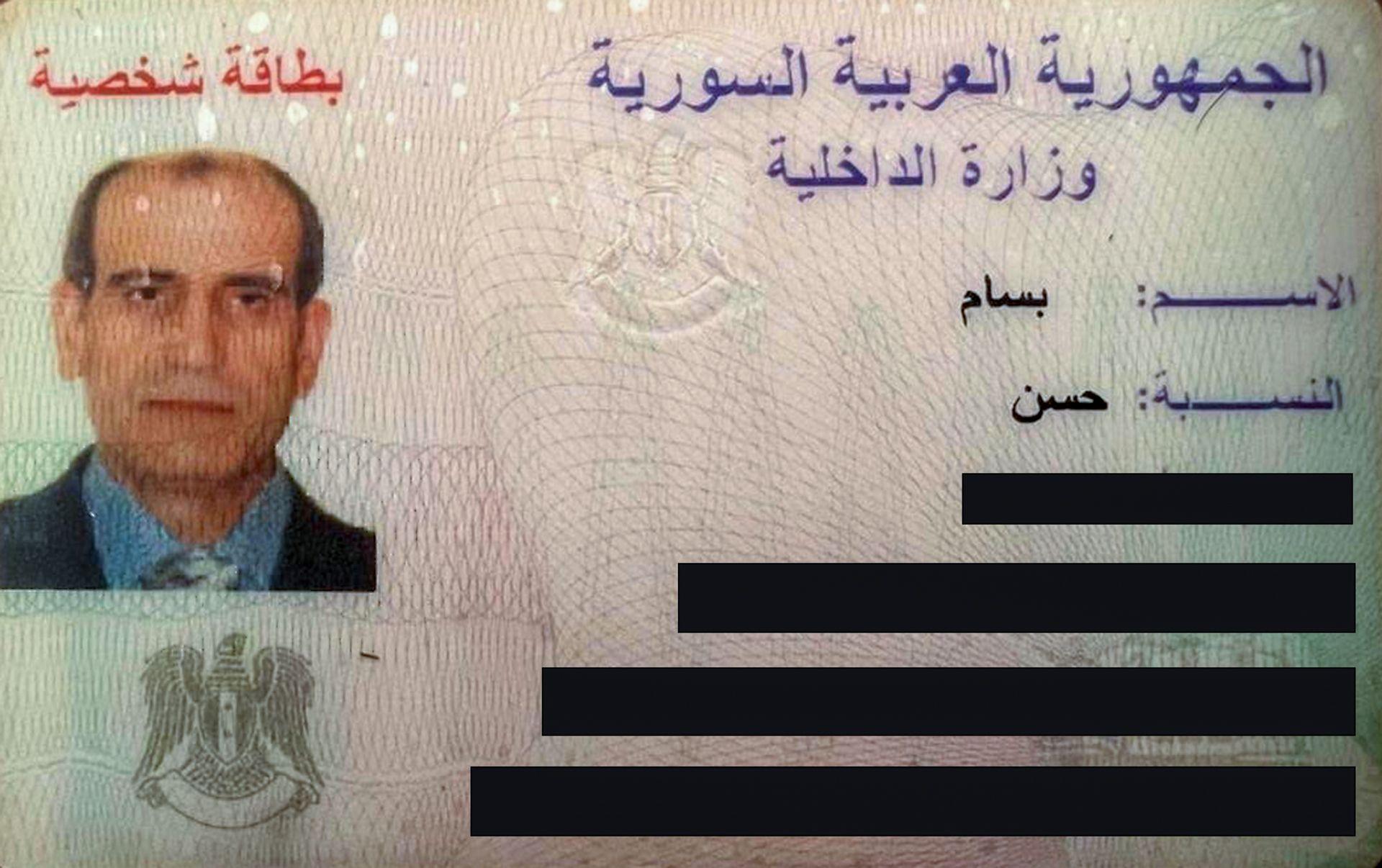
A former senior adviser to Bashar al‑Assad, Bassam al‑Hassan, who oversaw Syria’s chemical weapons programme, is reportedly protected in Lebanon by US and Lebanese security forces. BBC and NPR investigators revealed an arrangement involving the FBI and CIA that offers him residency and financial support in return for intelligence on the 2012 disappearance of American journalist Austin Tice. The deal, allegedly struck in spring 2025, has drawn criticism from Tice’s family and Syrian officials who want him tried for war crimes. Questions remain over the facts of Tice’s execution claim and the extent of intelligence gathered under the plan.
A former senior adviser to former President Bashar al‑Assad, known for overseeing Syria’s chemical weapons programme, is said to be sheltered in Lebanon by US and Lebanese authorities, according to a joint BBC–NPR investigation.
The investigation found that, after the Assad regime collapsed in 2024, Hassan was allowed to remain in Lebanon under an arrangement involving the FBI, CIA and Lebanese General Directorate of General Security. He was reportedly offered “residency,” “protection” and a stipend in exchange for information on the 2012 abduction of journalist Austin Tice.
Brightness of the deal has sparked anger from Tice’s family, who accuse the US of “aiding and abetting” the escape of a war criminal who allegedly had Tice executed on Assad’s orders. One spokesperson for the family called the arrangement “offensive.”
While Saudi‑aligned Syrian officials want Hassan extradited for trial, US authorities insist the individual must remain in Lebanon, citing ongoing intelligence work. The FBI declined to comment beyond a statement that it was still working to establish facts surrounding the Tice case.
Sources close to the deal reveal that the US channelled money to Hassan through a third‑party intermediary, complicating tracing and potentially allowing a protracted relationship. Other Syrian officials connected to the Tice case—such as former guard general Ghassan Nassour and nephew‑—are reported to be living abroad in Lebanon, the UAE and Iran.
Tice’s disappearance remains unsolved; Hassan provided a potential burial site for the journalist, but a subsequent search yielded no evidence. US officials allegedly halted the dig before its completion, citing security concerns.
The investigation underscores the complex web of alliances left after the fall of the Assad regime. Lebanon and the US, maintaining contacts with former regime figures, balance intelligence gains against pending war‑crime prosecutions, raising serious ethical and legal questions about protecting former war criminals while pursuing justice.