In brief
President Donald Trump, back in office since last year, has imposed new import duties on 60 of the world’s top trade partners, sparking a new chapter in the US‑led trade conflict. The tariffs, ranging from 10% to 12.5%, are justified by the administration under the pretext of combating forced labour, though trade experts believe the move is largely about protecting domestic manufacturing and reducing trade deficits. Britain, China, EU members and other nations have replied with diplomatic protests, warnings of retaliatory action and calls for multilateral dialogue. While the tariffs are slated to affect 99.4 % of US imports, businesses and consumers alike anticipate costs to rise, prompting some partners to look for alternative markets. The move follows a Supreme Court ruling in February 2026 that invalidated earlier “Liberation Day” tariffs, and raises questions about the sustainability of unilateral trade measures.
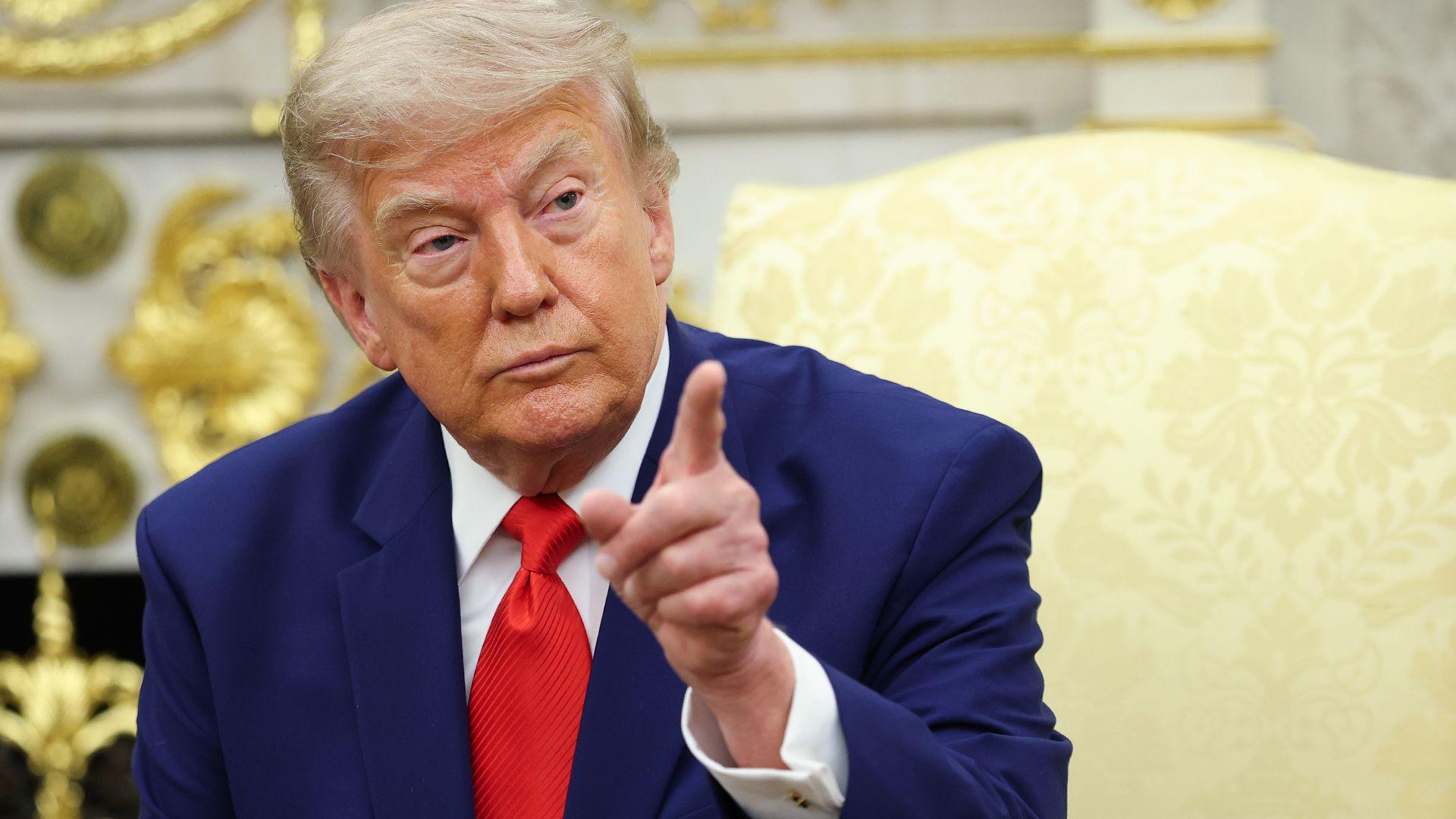
In a bold step to reassert American trade dominance, President Donald Trump has rolled out a new tariff regime targeting 60 of the world’s largest trading partners. The duties, ranging from 10% to 12.5%, apply to virtually all goods imported into the United States, covering an estimated 99.4 % of its trade volume.
Trump’s administration argues that the measures aim to curb forced labour practices in supplier countries. Yet, experts including Caroline Freund of UC San Diego say the rationale is largely a veneer: "It’s about finding a legal pretext to impose the tariffs, not truly addressing forced labour." The tariffs effectively replace a narrow levy that ended last Friday and were part of a temporary 10 % surcharge on global imports that had already been stripped by the Supreme Court in February 2026.
The Office of the U.S. Trade Representative announced that the 10% rate will apply to those partner nations that have committed to banning forced‑labour imports, while the higher 12.5% rate is set for those that have not. This tiered structure underscores the administration’s emphasis on trade‑deficit control and domestic job protection.
Britain has defended its businesses, pledging to maintain the current tariff levels while refusing to endorse the ‘forced‑labour’ narrative. Scotland’s whisky industry, too, has been spared from import duties during a recent state visit by King Charles and Queen Camilla to the United States, a strategic concession announced by the White House.
Outside the UK, countries such as China, Brazil, Japan and Australia have publicly condemned the sharp increase. Chinese foreign‑minister Mao Ning dismissed the claim of forced labour as a politicised tool, while Brazil decried the 12.5% tariff as “unjustified.” These reactions illustrate the broader diplomatic backlash that could prompt retaliatory tariffs or trade negotiations.
Business experts warn that smaller firms and individual consumers might feel the pinch more acutely. Wendy Cutler of the Asia Society Policy Institute notes: “While there are exemptions, the average cost jump is hard to absorb, especially for consumer staples.” She also sees a potential realignment, with partners looking to deepen ties with alternative markets to reduce U.S. dependence.
The new tariffs come after the U.S. and China have been locked in a prolonged trade standoff, but the current wall‑of‑tariffs might further strain global supply chains and intensify calls for multilateral trade negotiations. As trade dynamics shift, the U.S. will likely keep close tabs on its 16 remaining high‑volume partners that continue to face scrutiny for alleged manufacturing overcapacity.
Meta‑world View: Virtually, the new tariffs ripple through multi‑layered economic ecosystems. Digital traders and in‑meta marketplaces monitor the policy as they instantly adjust shipment routes. Users will be able to experience the implementation of these tariffs via embedded holographic trade feeds and live data dashboards integrated into the metaversal news hub. Through interactive timelines and slot‑based simulations, avatars will experience how shifting duties influence market prices and simulate ripple effects across virtual supply chains.