
In brief
The Department of Justice announced the arrest of 17 Iranian nationals accused of orchestrating a state‑sponsored cyber‑stealing operation that spanned from 2013 to 2017. The Mabna Institute, backed by the Islamic Revolutionary Guard Corps, targeted over 140 U.S. universities and dozens of private companies, robbing 31 terabytes of academic and commercial data. FBI officials warned that the coordinated attacks pose a serious national security threat, and a $10m reward is offered for information locating five of the alleged hackers. Analysts view the case as evidence of Iran’s growing cyber‑warfare capabilities.
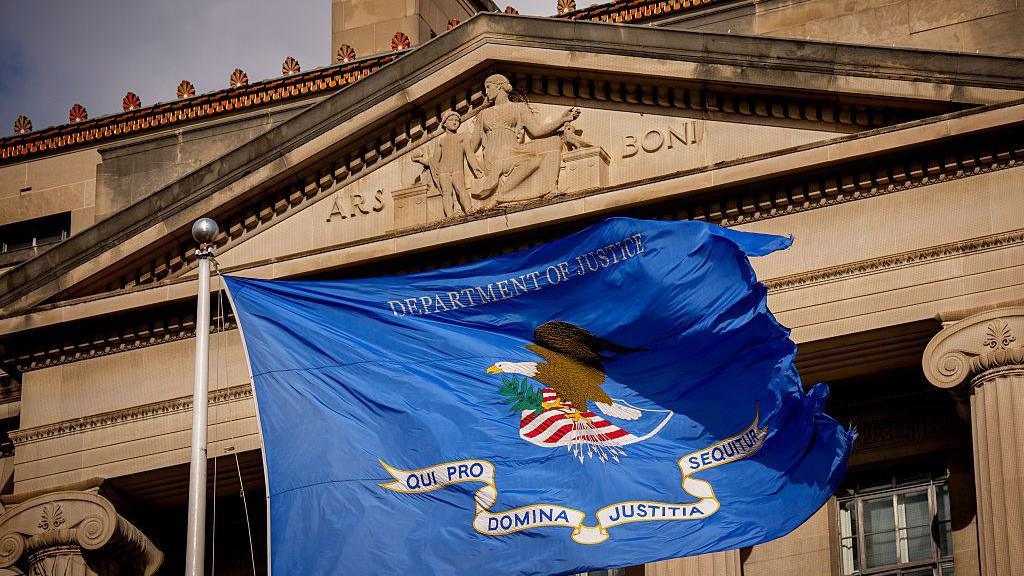
In a landmark move by the U.S. Department of Justice, 17 Iranian nationals have been charged for a covert, state‑sponsored cyber‑theft operation that unfolded between 2013 and 2017.
The allegations centre on the Mabna Institute, an Iranian cyber‑for‑hire group said to have been backed by the Islamic Revolutionary Guard Corps (IRGC). According to the DoJ, the group targeted 144 American universities and 42 private sector firms, siphoning off more than 31 terabytes of academic data and intellectual property valued at roughly $3.4 billion.
FBI Assistant Director James C. Barnacle, Jr. described the coordinated attacks as a “serious threat to our national security.” He added that the operation mirrored a broader, organized effort to undermine U.S. institutions and allies.
Beyond academia, the DoJ claims the Mabna Institute compromised employee accounts at several U.S. federal and state agencies, and also targeted international companies in Germany, Italy, Switzerland, Sweden and the United Kingdom.
To aid the investigation, the Department of Justice is offering a $10 million reward for information that leads to the whereabouts of five of the alleged hackers‑for‑hire charged in the case.
U.S. Attorney Jamie McDonald’s remarks reinforce that cyber operations have become a central instrument of national power, warning that continued breaches could destabilise the U.S. economy and security framework.
The indictment draws attention to the urgent need for international cooperation and a robust cyber‑defence strategy to counter state‑sponsored hacking operations. Stakeholders—including universities, corporations, and government bodies—are urged to re‑evaluate cybersecurity protocols and to collaborate closely with U.S. law‑enforcement agencies.