In brief
A 4,400–4,700‑year‑old wreck was found 30 meters below the sea off Kekova Island, Turkey. The 10‑metre vessel carried amphorae that still contain glossy residues, hinting at its cargo of wine, oil or resin. Style links have shown the site was a hub on ancient Mediterranean trade routes toward Troy and Crete. The find tops the list of the world’s oldest shipwrecks, offering new insights into early maritime commerce.
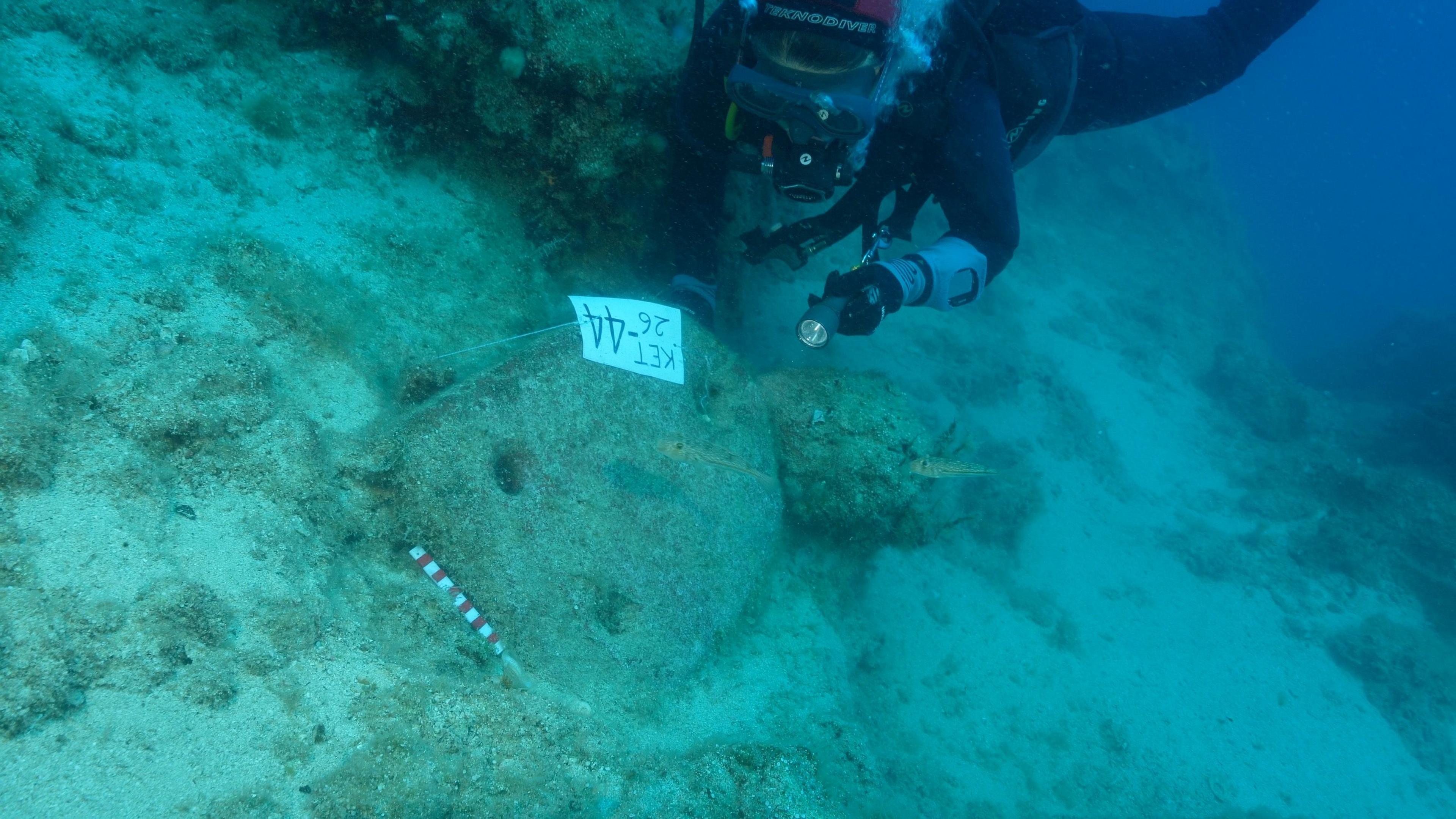
A 5,000‑year‑old shipwreck was uncovered 30 metres beneath the waves off Kekova Island, Turkey, by a team from the Mediterranean Archaeology Association. The 10‑metre long vessel, a trade ship of the Early Bronze Age, is the world’s oldest known wreck, beating the former record of 4,200 years set off the island of Dokos in Greece.
The wooden hull has decayed, but more than 30 ceramic amphorae and three stone anchors survive on the seafloor. Remarkably, the amphorae still contain traces of a glossy residue, sparking debates among scholars about whether they once carried wine, olive oil, or resin from the Mediterranean.
Archaeologists identified the vessel’s age by analysing the amphorae’s distinctive two‑handle, ridged design – a style linked to 4,400–4,700‑year‑old pottery found in Egypt and the Middle East. “This is 100% Early Bronze Age,” said Prof Hakan Öniz of Akdeniz University.
The cargo suggests the ship was bound for either Troy or the Minoan civilisation on Crete, placing it at the heart of trade networks that linked the eastern Mediterranean with Anatolia and beyond. The strong currents around Kekova Island made sea travel perilous, a fact that scholars believe shaped the design and construction of these early vessels.
Recovered artefacts are now undergoing careful conservation by experts at Macquarie University and the Turkish Ministry of Culture, which will display them in the forthcoming Mediterranean Underwater Archaeology Museum in Antalya.
This discovery gives a rare, tangible glimpse into the lives of sailors, artisans, and traders across the ancient Mediterranean, and it stands as a testament to the enduring mysteries that lie beneath the surface.