In brief
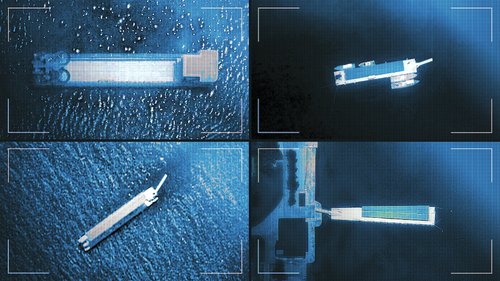
A team from Purdue University set out to investigate the Taraia Object—a shiny piece seen on satellite images over Nikumaroro, Kiribati—a possible wreck of Amelia Earhart’s 1937 Electra. After weeks of sea travel and on‑site inspection, the scientists concluded the so‑called wreckage consists of fallen tropical trees collected along the island’s sandspit. The investigation followed earlier satellite studies that had linked the object's appearance with photographs dating back to 1938. While the debris—now reduced to a single Y‑shaped fragment—remains unexplained, experts caution that the possibility of a crashed aircraft remains unproven. The case highlights the enduring mystery surrounding Earhart’s disappearance and the challenges of searching remote oceanic islands.
A team from Purdue University travelled to a lagoon on the remotely‑situated island of Nikumaroro in Kiribati to examine the mysterious Taraia Object—a reflective shape first spotted in 2020 satellite images that some speculated could be the vanished aircraft of aviation pioneer Amelia Earhart. After analysing photographs and conducting a ground survey, the researchers concluded the object is most likely a collection of fallen tropical trees that have washed onto the island’s sandspit.
The site’s only surviving fragment, a single Y‑shaped plank, was examined within hours of the team’s arrival. The University’s preliminary assessment drew on evidence from photographs taken shortly after 1938 that show a structure matching the Taraia Object’s profile. Despite these findings, the possibility that the remains could be-associated with Earhart’s ill‑fated Lockheed Electra remains unexplored, according to project director Rick Pettigrew.
Earlier analyses of satellite imagery suggested the object’s reflectivity could be consistent with a metal fuselage. The new on‑site investigation, however, found no metallic residue, supporting the tree hypothesis. Researchers also noted that over decades the debris had been weathered and fragmented, making definitive identification difficult.
Earhart’s disappearance in 1937 during her circumnavigation attempt had left many questions unanswered, including the exact location of her final flight. While the satellite‑captured imagery stirred hopes that the Tkia Island lagoon might hold the aircraft’s wreck, the mars‑like vegetation of the region now continues to shroud any definitive clues.
Satellite Image of Taraia Object

Earhart in the Cockpit