In brief
President Trump has signed two executive orders aimed at reducing birth tourism and tightening citizenship eligibility for children of certain non‑citizen parents. The orders expand the list of exclusions under jus soli for those linked to foreign terrorist groups, government employees, or residing in U.S. territories lacking citizenship rights. The second order orders State and Homeland Security to clamp down on deceptive birth‑tourism advertising and enforce existing bans on traveling solely to give birth. Data shows that only about 0.5 to 0.7 per cent of U.S. births each year are tied to birth‑tourism, a fraction of the overall 3.7 million births in 2024. These moves revive legal debates that were recently settled in the Supreme Court, which upheld birthright citizenship while rejecting the administration’s arguments about unintended consequences.
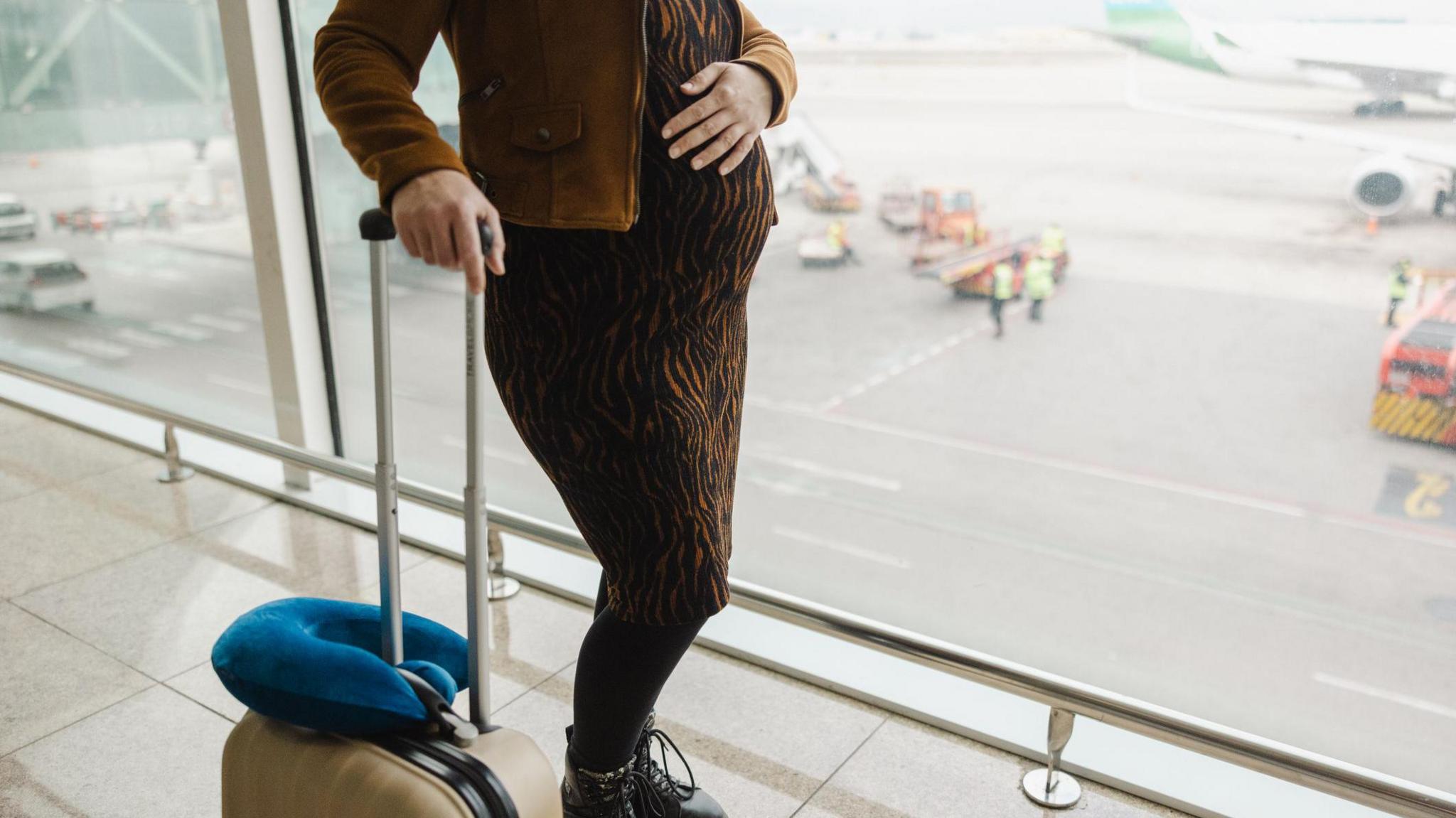
US President Donald Trump announced new executive orders aimed at ending so‑called birth tourism in the US and limiting birthright citizenship for certain groups.
The moves follow a Supreme Court ruling that halted Trump’s earlier attempt to constrain jus soli citizenship laws.
What Are Trump’s Latest Executive Orders?
The orders were signed on Thursday. One expands the list of non‑citizen parents whose children are not automatically eligible for U.S. citizenship, adding categories such as members of foreign terrorist groups, foreign government employees, and those living in territories where citizenship is not granted.
The other directs the Department of State and Homeland Security to clamp down on deceptive advertising that encourages birth‑tourism, enforcing the existing ban on traveling to the U.S. solely to give birth.
How Does Birthright Citizenship Work?
Birthright citizenship—known legally as jus soli—is enshrined in the 14th Amendment of the U.S. Constitution. It was originally intended to grant citizenship to Americans born after the Civil War, regardless of parents’ citizenship. Today, most U.S. births confer citizenship automatically, with a few exceptions for diplomatic children, foreign soldiers in occupied territories, or births in unincorporated territories lacking federal citizenship statutes.
How Many Birth Tourists Are in the US?
Trump claimed that hundreds of thousands of births are a result of birth‑tourism, though he did not provide data or specify the time frame. CDC estimates show 9,500 births to foreign mothers in 2024, roughly 0.25 per cent of total U.S. births. Migration Policy Institute researchers estimate 20,000 to 26,000 births per year linked to birth‑tourism—about 0.5 to 0.7 per cent of annual births. The figures are likely undercounts, as many migrants register births under U.S. addresses that are not their permanent homes.
What Happened at the Supreme Court?
The Supreme Court case in April centred on whether the 14th Amendment’s birthright citizenship provision has unintended consequences. The Trump administration argued that birth‑tourism demonstrates such consequences, but the Court rejected this reasoning, affirming the original constitutional text.
Do Other Countries Grant Birthright Citizenship?
Besides the U.S., more than 30 nations practice unrestricted jus soli, including Brazil, Argentina, and Mexico—most of Central and South America. Canada joins the U.S. as a developed country offering largely unrestrained birthright citizenship. Nations like the UK and Australia apply modified jus soli, granting citizenship only if one parent is a citizen or permanent resident.