In brief
The WNBA’s 2026 draft gained headlines when former NBA star Enes Kanter Freedom announced his intention to play in the league, citing ambiguous eligibility rules. The controversy ignited by Indiana Fever guard Sophie Cunningham’s comments about protecting girls from competing against “biological men” has drawn political leaders, fans, and the WNBPA into a heated debate. League commissioner Cathy Engelbert said the issue will be discussed at a forthcoming meeting, while the collective bargaining agreement only states that “only women can play” – leaving room for interpretation. Meanwhile, players and coaches have expressed support for inclusion, and protestors have staged demonstrations both for and against transgender athletes. The situation underscores a growing national conversation about where to draw the line between fairness and equality in women's sports.
The transgender controversy surrounding the WNBA
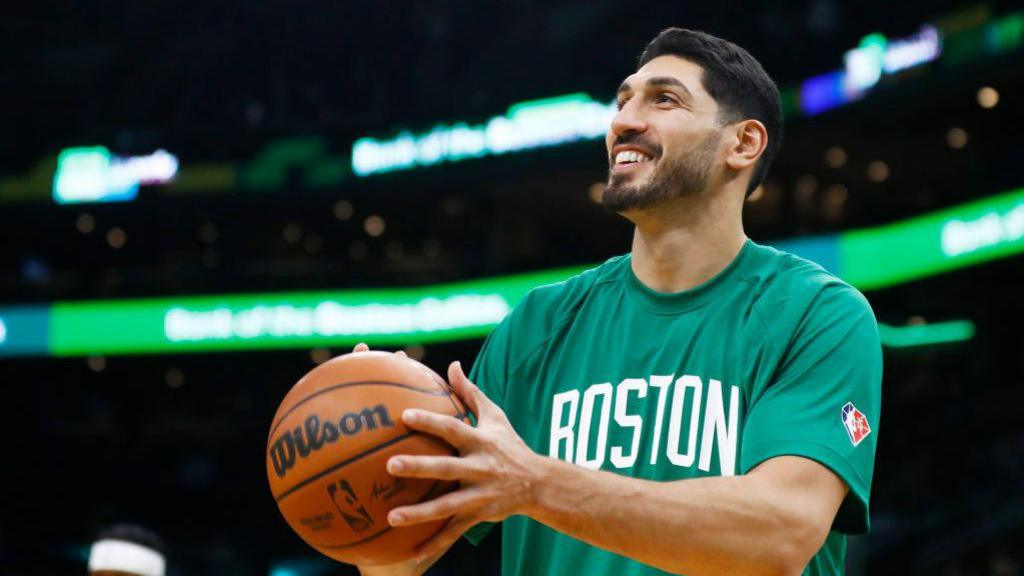
The WNBA is still in the midst of its 2026 season, yet it is next year’s Draft that has grabbed the headlines. The reason is an unexpected twist: several former NBA players, most notably Enes Kanter Freedom, have declared their intention to enter the league. They cite ambiguities in the eligibility rules for transgender women players, which has sparked a debate that spans the court, the media, and the political arena.
"I’m officially declaring myself a WNBA prospect," the 35‑year‑old former Celtics star announced, saying that if the sole requirement is a self‑identification as female, he meets the criteria.
How did we get here?
Last month, Sophie Cunningham— the Indy Fever guard and a high‑profile player— told ESPN that she wanted to “protect young girls from going against biological men” in locker rooms and on the court. Her comments were quickly mis‑characterised as “hate” by some media voices, though she denied such accusations and emphasised love for all fans and players.
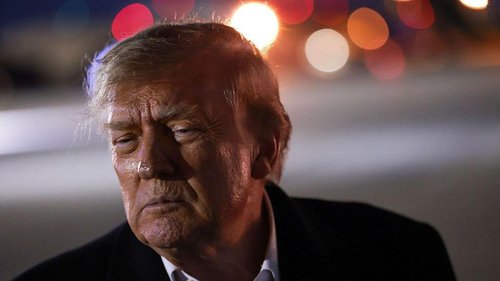
She later repeated that it is “common sense” to bar transgender athletes, saying the statement was politically wrong. The remarks resonated worldwide, prompting the U.S. President Donald Trump and Vice‑President JD Vance to publicly support her stance. The WNBA, however, has not issued a formal response; commissioner Cathy Engelbert only sent a memo to teams saying the matter would be examined in a league‑wide meeting.
What do the rules say?
The WNBA collective bargaining agreement (CBA) states simply that “Only players who are women are eligible to play.” The agreement does not provide a scientific or medical definition of female, leaving the semantics to teams and the league to interpret. Engelbert’s memo emphasised that the league values its tradition of fairness and integrity, while acknowledging the lack of specific detail in the current guideline.
Enes Kanter Freedom took to Instagram to assert his eligibility, arguing that the rules should apply uniformly. He has pointed to his status as a former male NBA player who identified as female for the purpose of basketball in the past. A day later, former NBA guard Royce White said he would also declare for the draft, citing his occasional identification as a woman.
What has the reaction been?
Cunningham’s remarks have become a flashpoint in a league long known for its activism on issues of race, gender and LGBTQ+ rights. The WNBPA issued a statement condemning abuse toward the transgender community, reaffirming its commitment to justice, equity and inclusion.
Team coaches and players took differing sides: Minnesota Lynx coach Cheryl Reeve wore a “Trans Kids Belong” shirt and spoke with Cunningham on court, claiming her own advocacy for inclusive sport. The league suspended Seattle Storm co‑owner Celeste Keaton from five next home games after she confronted teenage fans praising Cunningham.
Cunningham herself now wants to return the conversation to the court, admitting her statements have caused distraction from the game. Some players, such as Gabby Williams, welcome transgender athletes as teammates or opponents, endorsing an open and inclusive environment.
What are the rules in other sports?
Globally, many sports bodies have tightened restrictions on transgender participation. Athletics, cycling and aquatics now ban transgender women from women’s events to preserve fairness. The International Olympic Committee will limit women's categories to biological females from the 2028 LA Games, requiring a “once‑in‑a‑lifetime” sex test that excludes trans women who have undergone male puberty.
In the United States, President Trump’s executive order has barred transgender athletes from competing at most education levels, though it does not apply to professional sports.
These developments have cast a shadow over the WNBA’s future draft and the composition of its player pool.