In brief
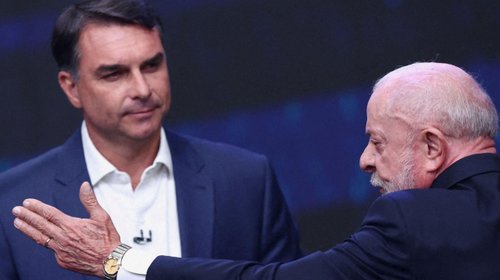
Brazilians headed to the polls for a showdown between President Luiz Inácio Lula da Silva and right‑wing challenger Flávio Bolsonaro. After casting their ballots, Lula warned the nation that the choice lay between democracy and “barbarism,” while Bolsonaro promised to “free the Brazilian people.” Official results are expected within hours when the results are tallied electronically, but a lead of less than 50% will trigger a second‑round election on 25 October. Over 158 million voters – including a million overseas – participated, and preliminary overseas tallies show Lula leading in most countries, though Bolsonaro dominated in Israel and Japan. The election outcome will also determine the composition of the 81‑seat Senate, with 54 seats up for grabs. The result reflects the continuing political turbulence sparked by the 2022 controversy surrounding former President Jair Bolsonaro’s conviction for attempting a coup.
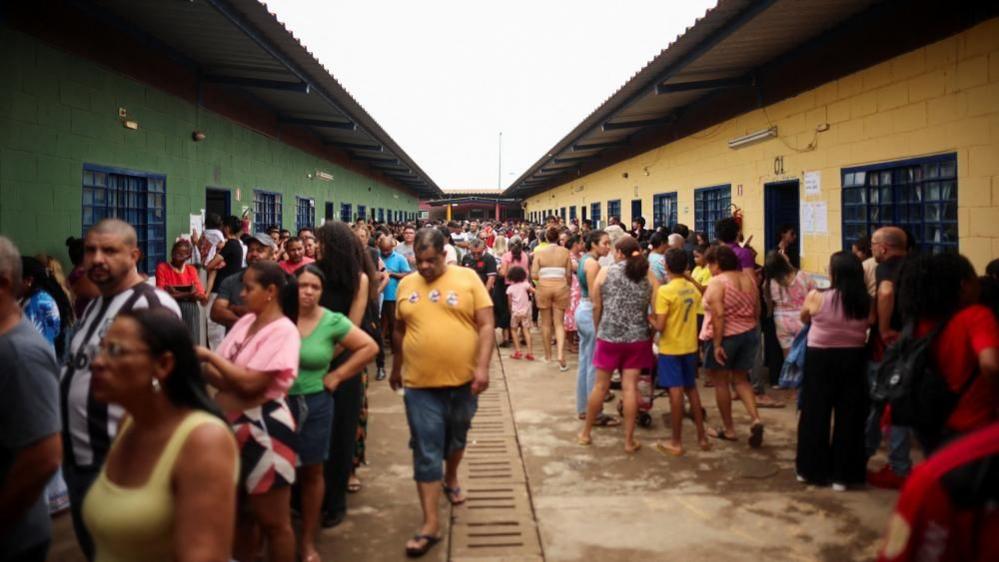
Voters lined up in long queues as Brazilians head to the polls in a race that may decide the nation’s future.
The 80‑year‑old President Luiz Inácio Lula da Silva, after casting his ballot, warned that the outcome would be a choice between democracy and “barbarism.” Flávio Bolsonaro, the right‑wing challenger, promised to “free the Brazilian people.”
Official results are expected within hours when the authorities use electronic counting, but a lead of less than 50% will trigger a second‑round election on 25 October. The election also determines the composition of the Senate, as 54 of the 81 seats will change hands, affecting power balances at the federal level.
Over 158 million voters, including a million abroad, took part. Preliminary overseas tallies show Lula leading in most nations, but Bolsonaro has dominated in Israel and Japan.
The close contest reflects the shadow of the 2022 controversy surrounding former President Jair Bolsonaro’s conviction for attempting a coup, a moment that still haunts Brazilian politics. Bolsonaro’s son, Flávio, is widely seen as carrying forward his father’s political legacy.
The outcome will not only decide the next president but will also shape Brazil’s trajectory in trade, security, and its relationship with the United States, especially given recent tensions over trade and aid policy.