In brief
In recent years, high-profile tech figures have begun investing heavily in survival strategies, including underground shelters and properties in remote locations, leading to speculation about their fears of impending disasters. As advancements in AI and other technologies escalate, concerns rise about the future, prompting both alarm and curiosity regarding potential motives behind these preparations. Experts weigh in on whether there really is an imminent threat or if this is simply the whims of the wealthy.
Tech Titans and Their Doomsday Preparations: A Cause for Concern?
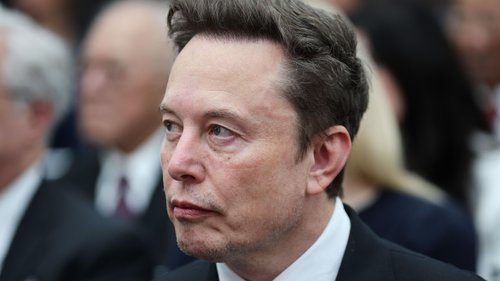
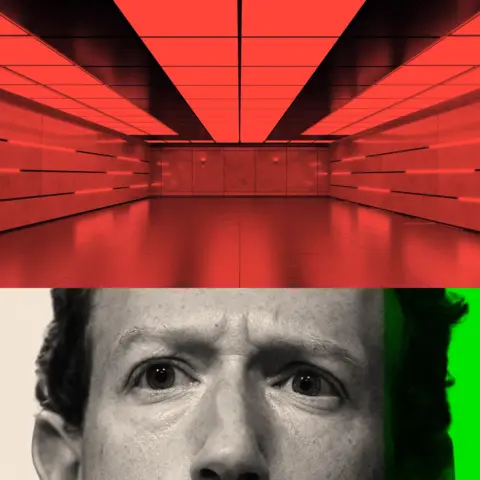
In recent years, high-profile tech figures, including Mark Zuckerberg and Elon Musk, have started investing heavily in apocalyptic preparations. Reports have emerged of Zuckerberg’s expansive underground shelter at Koolau Ranch in Kauai, Hawaii, which is designed to withstand potential calamities. Despite his attempts to downplay these projects, rumors of doomsday bunkers persist.
Motivated by existential fears like climate change and the rapid advancement of artificial intelligence (AI), tech leaders seem to be preparing for events ranging from pandemics to potential warfare. In particular, the surge in AI development has added fuel to these worries, with Open AI's chief scientist, Ilya Sutskever, reportedly suggesting a need for underground safety measures as AI technologies advance.
Simultaneously, billionaires like Reid Hoffman are discussing 'apocalypse insurance', further embedding the idea that the ultra-wealthy might have a grip on knowledge about potential threats the general public does not. As they buy properties and plan secretive ventures, the speculation grows: should we prepare, too?
While some experts argue these fears are unfounded, concerns about AGI (artificial general intelligence) add layers to the debate. Pioneers of AI development express worries over what might happen once machines exceed human intelligence. However, skepticism still exists within the scientific community regarding the timeline and capabilities of AGI.
In light of these developments, the contrasting viewpoints — from hype around AI’s capabilities to fears of an existential threat — raise critical discussions on the role of billionaires in shaping societal perceptions of security and preparedness. While their actions suggest they understand something we might not, the general public is left contemplating whether these preparations are justified or simply indicative of human anxiety in an uncertain world.