In brief
Scientists report that the 2026 El Niño has intensified to levels not seen since 2015, with sea‑surface temperatures exceeding all previous records. The event’s heat is amplified by long‑term ocean warming, widening its reach beyond the tropical zone and affecting weather across the globe. While climate change’s role remains debated, the surge in temperature is expected to make 2026 one of the warmest years on record. The international community is focused on monitoring impacts on drought, flooding and cyclone activity as the system peaks in December.
Super El Niño Reaches Unprecedented Strength as Pacific Warming Accelerates
Scientists have confirmed that the 2026 El Niño is heating Pacific waters to levels not seen since 2015, with sea‑surface temperatures surpassing all previous records.
The latest update from the Australian Bureau of Meteorology shows average weekly sea‑surface temperatures in the central Pacific at their highest ever, a figure that now eclipses the 2015 record set during a previous super El Niño.
To isolate the natural El Niño signal from long‑term ocean warming, experts are using the Relative Ocean El Niño Index (RONI). Under this metric, the 2026 event already exceeds the RONI values recorded for 2015–16, signalling an unprecedentedly strong system.
Although the World Meteorological Organisation says there is no proven link between climate change and an increased intensity of El Niño, the additional heat released by the current event will likely push 2026 to one of the warmest years on record and set a new seasonal high for 2027.
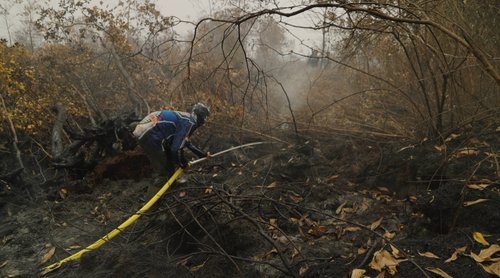
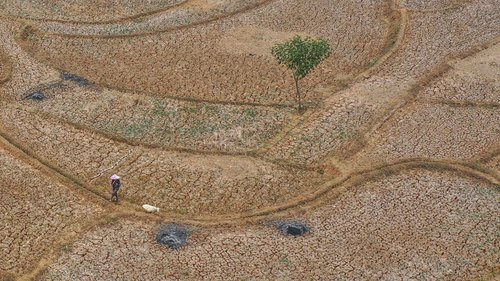
Early impacts are already felt; parts of Eastern Asia are experiencing severe drought and wildfire risk, while southern Africa reports a dire water shortage. The United Nations has noted rising concerns over food security in these regions.
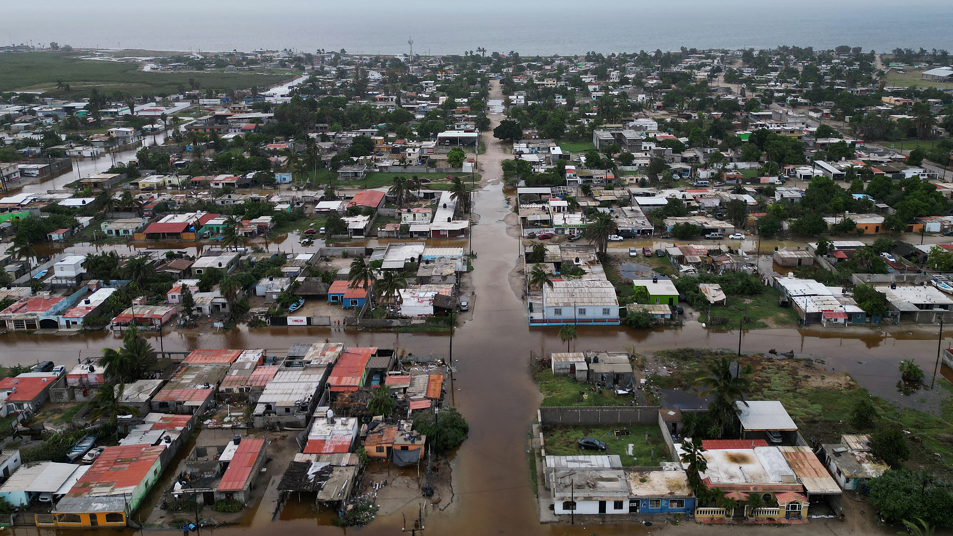
The heat pulse also influences global weather patterns, tending to suppress Atlantic hurricanes while boosting cyclone activity in the western Pacific—an effect seen during 2026 and predicted to continue as the El Niño peaks in December.