In brief
A 17‑year‑old mother in El‑Fasher, Sudan, recounts how her son was born in the midst of violence with no father to name, making registration impossible. The child’s lack of identity denies him basic healthcare, education and future travel rights. Amid the RSF siege, survivors like Amira face systematic gaps in civil registration systems. Human‑rights groups urge the reopening of civil registries and robust legal pathways to grant every child citizenship.
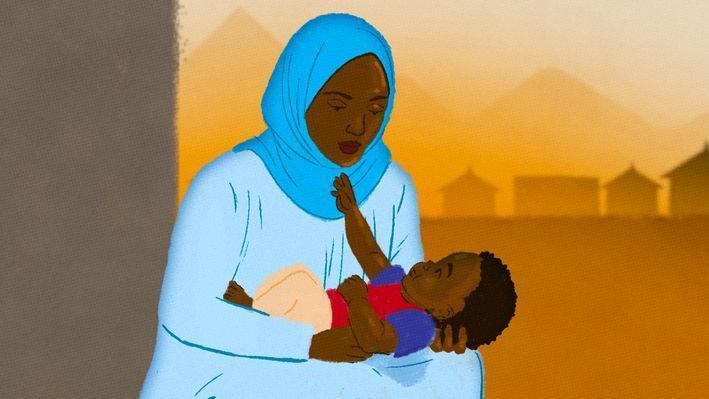
A 17‑year‑old mother in the besieged city of El‑Fasher holds her newborn son, yet the child’s legal status hangs in the balance. “He has no father, no birth certificate, no national number,” Amira says. Her identity is obscured by a war that not only tore the city apart but also left its civil registry collapsed.
El‑Fasher fell to the Rapid Support Forces (RSF) after 18 months of siege, forcing families to flee. While escaping, Amira was abducted, blindfolded, and held captive for two months in a RSF‑controlled area. Each day, she endured rape at the hands of the captors, leading to a pregnancy that she later delivered in a humanitarian hospital run by the International Medical Corps.
The hospital provided a temporary birth notification, but the paperwork required a father’s identity—information Amira could not supply. As a result, her son cannot be registered, vaccinated, or enrolled in school. “I fear for his future because he is not registered at all,” she explains, reflecting the economic strain of caring for an unregistered child.
This individual story mirrors a wider problem. In conflict zones like Darfur, civil registry offices have shut down, leaving thousands of children—many born from sexual violence—without official records. “A child without identity is denied access to health, education and the right to travel,” argues Abu Bakr Yousif Yaqoub, director of protection programmes at Nada Al‑Azhar Foundation.
Sudan’s Child Act of 2010 allows registration of children born outside marriage, but the law depends on a mother’s willingness to report assault—an action many girls under 18 cannot take on their own. The legal process involves social services, civil registry, and ultimately assigning a legal name under the mother’s surname.
Reactivating civil registries in accessible zones and intensifying legal support is urgently needed, so children like Amira’s son can regain their rightful place within Sudan’s social fabric. Until then, those born in war will remain “full of fear and stigma,” as Nada’s work highlights.