In brief
In May, Starbucks Korea’s "Tank Day" promo was criticized for trivializing the 1980 Gwangju Uprising, leading to an impromptu boycott, presidential outrage, and the company’s CEO’s dismissal. The issue exposed communication gaps at Shinsegae, the franchisee. In June police raided the headquarters, prompting further scrutiny, a government boycott, and new protests by right‑wing supporters. The fallout underscores South Korea’s sensitivity to historical trauma and the tightrope large brands walk when engaging local culture.
South Korean police entered the national headquarters of Starbucks Korea on Tuesday, following a wave of outrage over the chain’s May "Tank Day" promotion, which many felt trivialised the 1980 Gwangju Uprising.
The Promotion and its Fallout
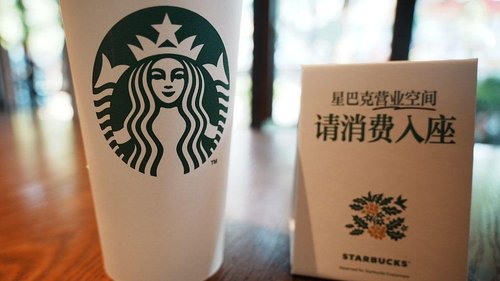
The campaign offered free tumblers during the anniversary of the Gwangju protests, using the word "tank" in a slogan that parodied the name of the vehicles used by troops to suppress uprisings. The flash sale, launched on 18 May, quickly sparked a nationwide boycott led by student organisations and civic groups.
President Lee Jae‑myung condemned the move, calling it an insult to the victims and a betrayal of national memory. Muk, as a cultural touchstone, the theme resonated deeply, turning the incident into a political flashpoint.
Corporate Repercussions
Shinsegae, which operates Starbucks outlets in Korea, opened an internal inquiry that concluded the mistake was unintentional and that senior managers failed to spot the historical references. The chain’s CEO was dismissed, and several stores were closed for half a day in June to allow staff to attend history lessons.
Sales in South Korea fell sharply in the wake of the controversy, prompting a government‑led boycott that was echoed by right‑wing parties who used Starbucks cups as symbols of opposition to the current administration.
The Police Raid
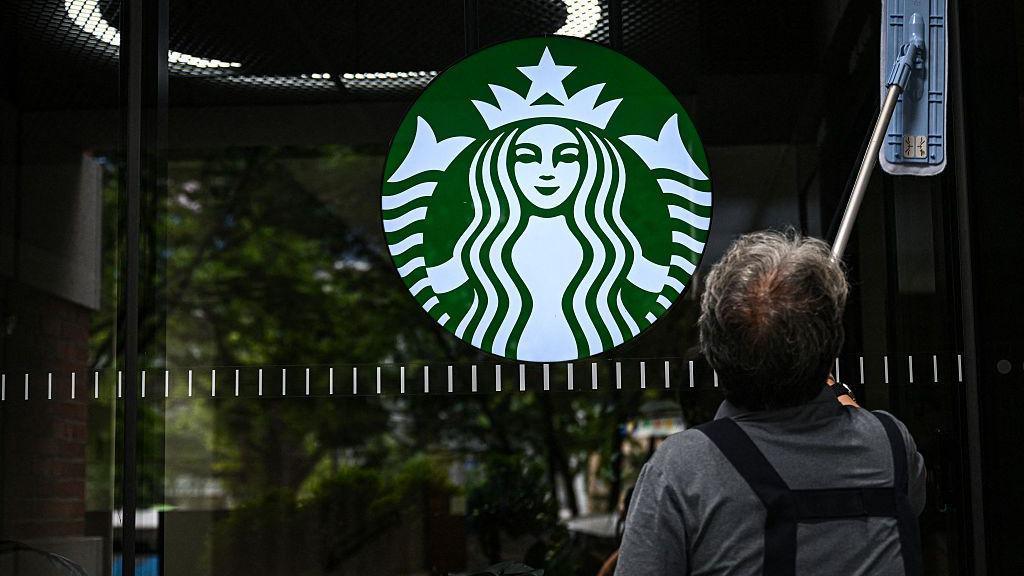
Police officers conducted a raid on the headquarters to investigate the chain’s alleged defamation of historical events. The operation unfolded amid heightened tensions with the press and activists demanding accountability.
The incident underscores a broader narrative: brands operating in culturally sensitive markets must navigate local history with greater care or risk alienating consumers and drawing public ire.
Source: BBC News, Seoul Correspondent Jake Kwon & Koh Ewe