In brief
Authorities in Spain and Algeria dismantled a vast criminal smuggling network that trafficked synthetic drugs, weapons, and migrants across the Western Mediterranean. With 78 arrests, Europol seized 18 high‑speed boats, thousands of MDMA pills, and over €25,000 in cash. The ring operated a dual‑flow system, moving drugs from Spain to Algeria and then smuggling migrants and arms back to Spain via ghost speedboats, generating an estimated €24m in profits. The sting involved 17 locations in Spain and highlighted the use of satellite‑enabled communications and illicit speedboats that evade detection. The crackdown comes amid rising concerns over migrant flows into Spanish territories and heightened Europol cooperation on transnational crime.
Operation Overview
Spanish police, assisted by Europol, executed a coordinated operation that saw 78 suspects arrested across Spain and Algeria, effectively dismantling one of the largest criminal smuggling networks in the Western Mediterranean.
The network trafficked synthetic drugs, notably MDMA, from Spain and Portugal to Algeria, before using return runs to smuggle migrants and weapons into Spanish territory, including the island of Ibiza, via so‑called ghost speedboats that evade registration.
Key Seized Items
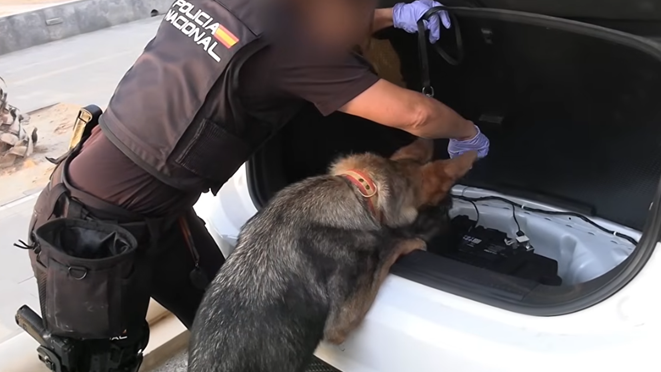
Among the confiscated evidence were 18 high‑speed vessels with a combined value of approximately €5 million (£4.2 million), firearms, more than €25 000 (£21 400) in cash, and 15 000 MDMA pills. Additional seized items included satellite phones, GPS devices, encrypted communication tools, and satellite dishes.
Arrest Hotspots
The sting encompassed 17 sites across Spain, including Alicante, Almería, Cartagena and Murcia, with arrests also made in Algeria.
Financial Impact
Investigators estimate that the network generated more than €24 million (£20 million) from migrant smuggling alone. Victims could be charged up to €12 000 (£10 200) per person, with a single trip capable of transporting over 50 migrants.
Human Rights Concerns
Reports indicate that migrants were transported in overcrowded boats lacking life jackets and faced sexual assault, physical abuse, and inhumane conditions in makeshift housing once they reached the mainland.
Suspects largely hailed from Algeria and had links to criminal groups in France, Belgium, Portugal, Italy and Poland.
After the operation, striking parallels were drawn to the recent exodus of roughly 78,000 migrants into Ceuta, blamed on online rumours about an open border. The majority returned to Morocco, but between 3,000 and 5,000 remain in Ceuta, according to the exclave's leader Juan Jesús Vivas.
For further context on the migrant situation, visit our cover story: The Ceuta migrant influx.