In brief
Pedro Sánchez has urged Spain into a snap election after his housing reform proposals were rejected by right‑wing parties, confirming a loss of majority for the Socialist coalition. The move follows the government’s mounting corruption scandals, a pending trial of the PM’s wife, and a chaotic migrant influx to the enclave of Ceuta. Sánchez aims to rally voters around the rent‑free housing campaign, presenting it as a struggle for a progressive majority that will defend social rights and curb elite influence. While the opposition parties view the ruling coalition’s defeat as an opening, they also warn that any new government could reshape Spain’s housing policy and weaken state intervention.
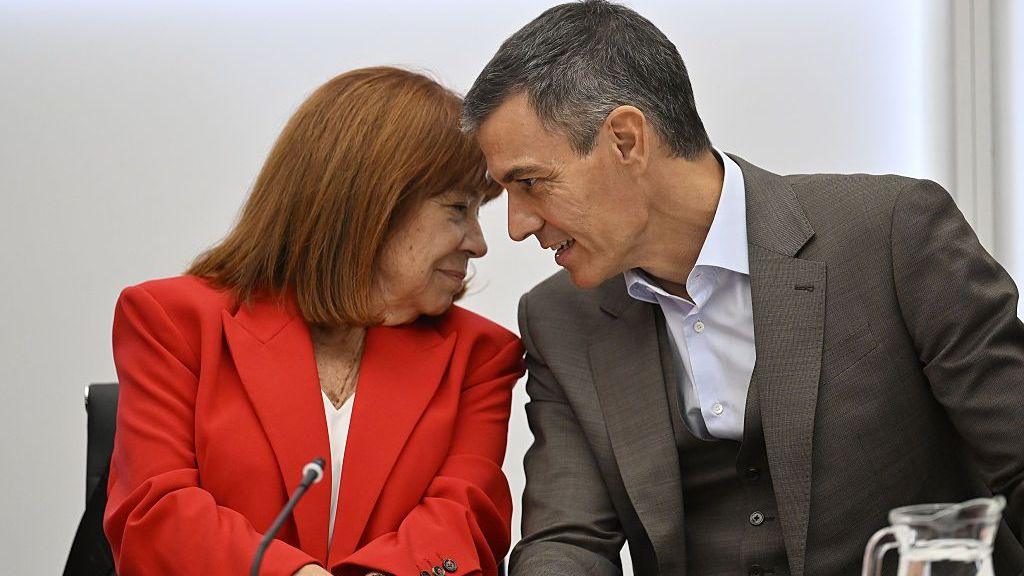
Pedro Sánchez's snap election call comes after his housing measures were discarded in the parliament by right‑wing parties.
A battery of reforms aimed at stalling rent increases and protecting tenants was narrowly voted down on Friday, confirming that the Socialist-led coalition had lost its working majority.
On top of that, the government is besieged by corruption inquiries that implicate senior party figures, a pending trial for the Prime Minister’s wife, and a chaotic migrant influx to the Spanish enclave of Ceuta.
Speakers across the left camp say that the housing crisis – the most urgent issue for Spaniards in opinion surveys – provides a rally‑point to mobilise voters. Sánchez has used the rejection of his proposals as a political foil, framing the upcoming campaign as a battle for a "progressive majority" that will enforce social rights and curb elite influence.
While the right‑wing People's Party and far‑right Vox stand firmly against any state intervention in housing markets, they also view the government’s loss of parliamentary legitimacy as an opening for a newly elected coalition that could pledge to keep policies flexible and cut red‑tape.
In this tense climate, no one knows whether a new mandate will allow Sánchez to keep the coalition and continue the reform agenda, or whether it will seal the end of his premiership.