In brief
Over the past year, a quiet revolution has unfolded online. Viral videos from creators like Toronto‑based Lana Isa, Arizona’s Devon Noehring, and British cleaner SJ Hoadley show everyday routines, solo road trips and bedroom reading sessions — a counter‑to the glamour of perpetual social media presence. Their content has sparked conversation about loneliness, suggesting that choosing solitude is a conscious, empowering decision rather than a symptom of isolation. Experts note that while humans need connection, researchers distinguish between chronic loneliness and deliberate alone time. The growing community offers support and hope, underscoring that alone can mean peaceful, not lonely.
In late‑night kitchens and quiet living rooms, a new generation of creators is turning the simple act of being alone into a striking lifestyle post.
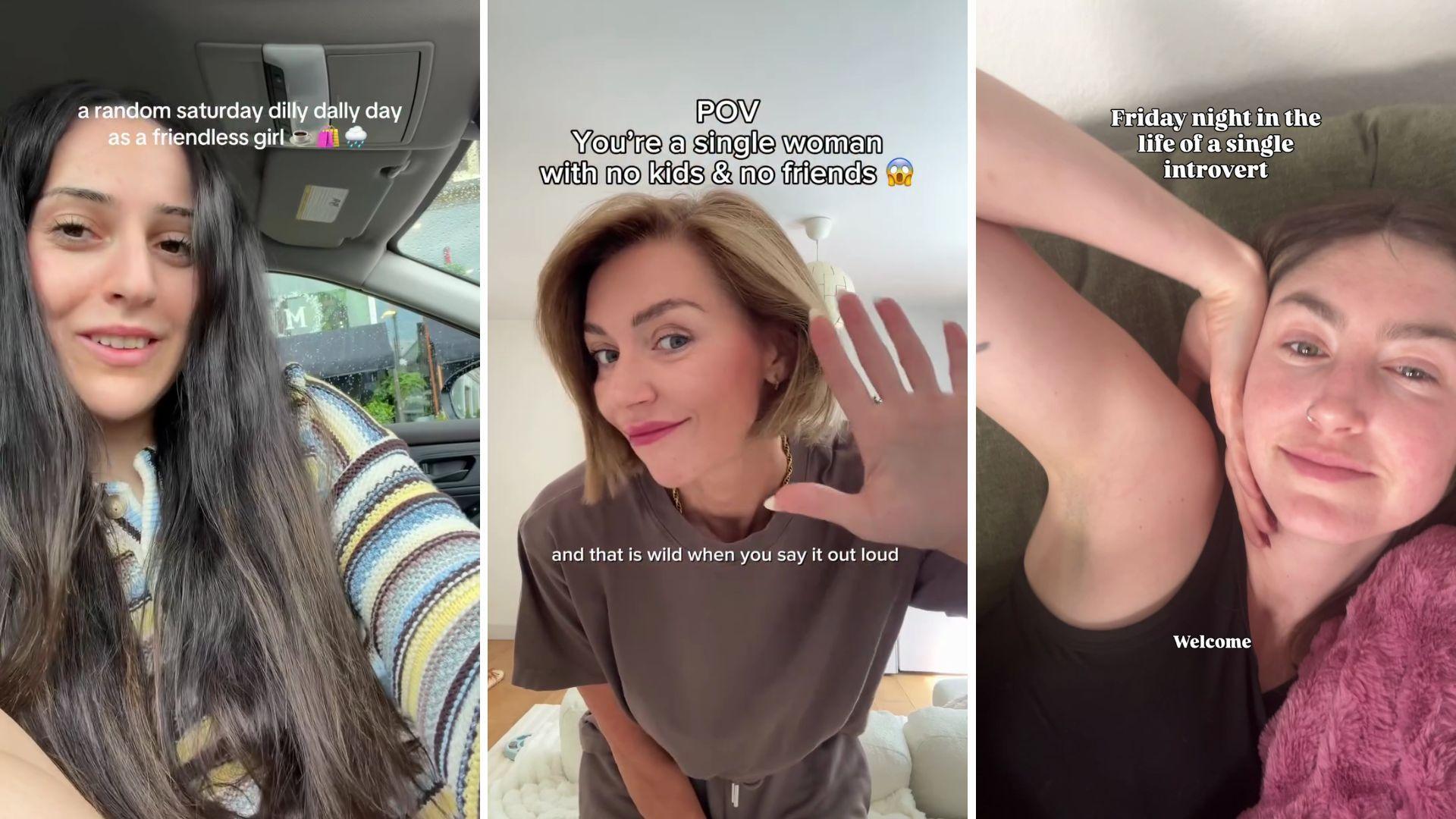
Toronto‑based software sales manager Lana Isa filmed a Friday night routine that now has over seven million views on TikTok. The clip shows her unloading groceries, baking pizza, lighting a candle and eating in front of the TV, all filmed in a calm, almost meditative style. Tagged “POV you’re a childfree, single girl with no friends,” the video reveals the quiet independence many along. Isa has taken her audience on midnight fast‑food runs, lakeside reading, and even an episode that ends with her being locked out of her apartment. Her 400,000‑strong following has grown from a handful of followers to a community that lives for the peace she shares.
Isa’s story is part of a niche corner of the internet where women showcase daily rituals of living alone. Rather than romanticizing loneliness, they highlight how solitude can be empowering, offering respite from social media excess. The content finds an audience of people who relate, offering comments that comment on similar experiences and the comfort of feeling “seen.”
Moments of despair became a catalyst for connection. Deanise? or
The Rise of “Loneliness Influencers”
The trend has met backlash. Some critics call these creators “loneliness influencers” and accuse them of romanticizing isolation. Others argue that the underlying loneliness the creators portray is “forced by circumstance” rather than an empowered choice. Yet the videos remain relatable. Followers applaud solo date ideas, spontaneous road trips and attending parties alone — activities often dismissed on mainstream platforms.
Expert Insight on Loneliness and Solitude
Professor Melody Ding of the University of Sydney says the key is to differentiate between chronic loneliness that hampers wellbeing and the personal decision to enjoy alone time. “It’s a false expectation that you must be socially happy all the time,” she notes. However, she cautions that there’s a fine line between healthy solitude and excessive isolation that can harm mental and physical health. “We survive better with companionship,” she says, urging people to balance solitude with positive social relationships.
A Community of Solitude
The creators’ audiences, though diverse, have highlighted a shared need to “find people we relate to.” In a world saturated with curated highlight reels, these quiet influencers offer a more authentic slice of daily life. “We never describe ourselves as lonely,” says SJ Hoadley, a cleaner in the UK. She started sharing her solo life after an abusive relationship, finding a community that valued her independence and sparked a renewed appetite for real friendships rather than a permanent friendless state.
From visits at the likes of Alex Will, forthcoming meet‑ups, to digital networking that spills into real life, their success illustrates that the decision to live alone isn’t a sign of failure, but an affirmation of self‑care and personal agency.