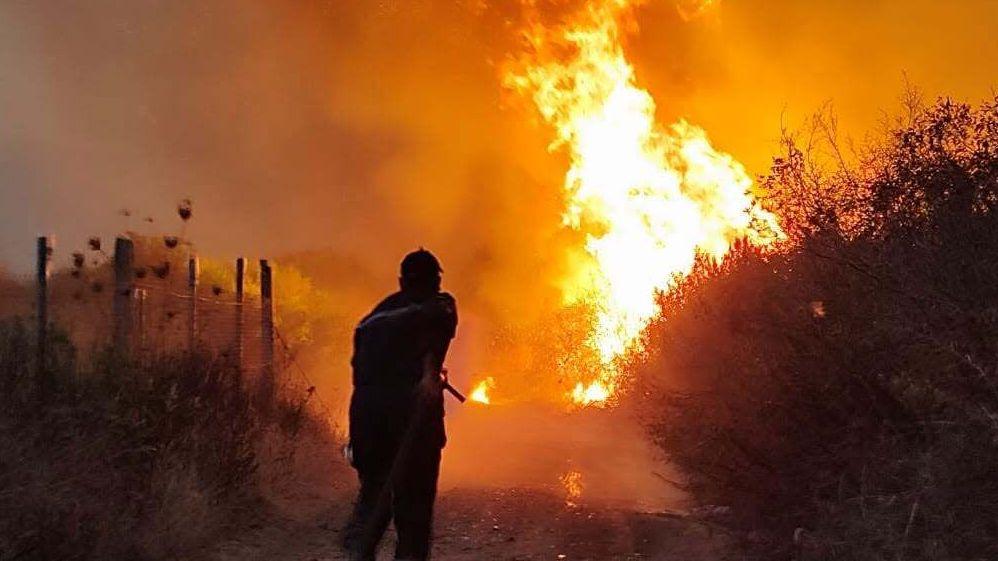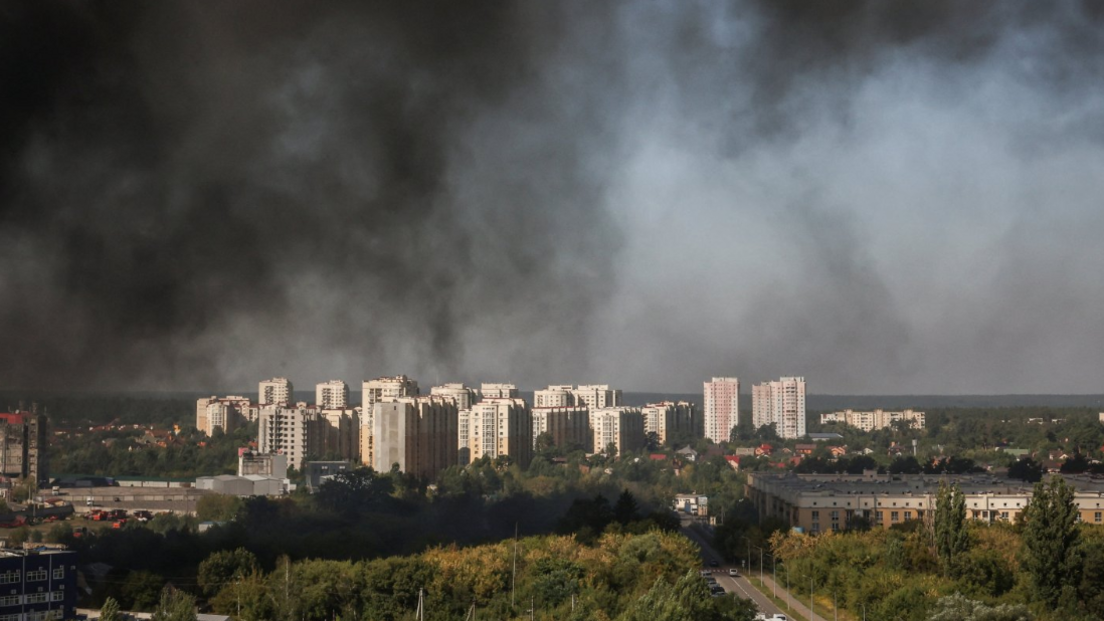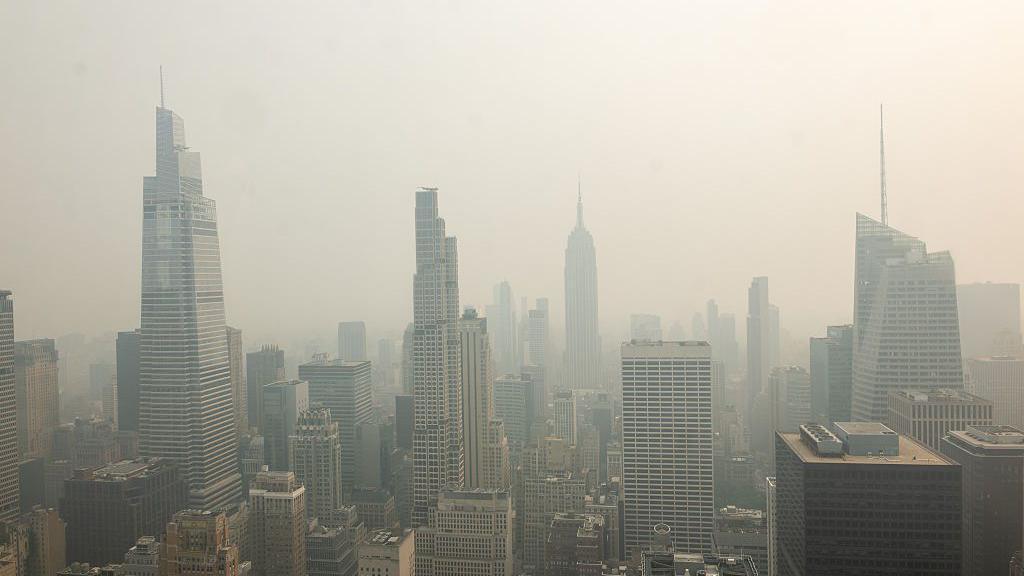
For the first time since the 1970s, a dense wall of wildfire smoke is shrouding the skylines of major North American cities. The blaze in Canada has ignited more than 800 fires, sending plumes of particulate matter across the eastern border and into the heart of the United States.
In New York, officials have declared a "very serious health situation," and the governor has urged residents to stay indoors. Air quality monitors in Houston, Detroit, Chicago, and Minneapolis have all logged hazardous levels, prompting cancellations of outdoor events, from summer camps to concerts.
The situation is worsened by the geography of the fires: northern Ontario’s flames are pumping smoke directly over the Great Lakes, with heavy haze seen as far north as Toronto and as far south as the Midwest, where westerly winds keep clouds aloft.
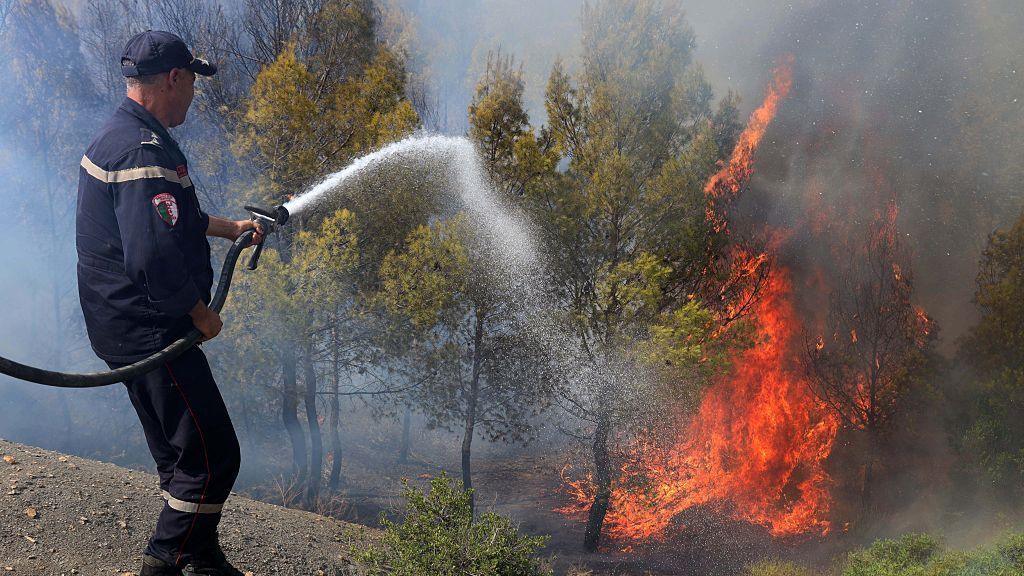
Local responders are scrambling to mitigate the spread. Over 150 crews are on the ground in Ontario, fighting back fires that are often out of control. Meanwhile, Indigenous communities have been forced to evacuate, with one First Nations chief describing the landscape as "burnt to ashes" after aerial surveillance confirmed the destruction of homes and forest.
Across the border, U.S. lawmakers are voicing frustration over what they see as inadequate support and accountability. In a letter to the Canadian Prime Minister, Michigan representatives cited a pattern of failing to reduce fire frequency and intensity, citing a third consecutive summer of crisis.
Canadian officials counter that the fires are part of a changing climate, with higher temperatures and drier conditions amplifying wildfire risk. The Prime Minister emphasised a shared responsibility to tackle climate change, while the Ontario Premier promised the province would spend any amount necessary to protect communities.
Scientific experts note that the shift of large fires from western Canada to the east is new, with wetlands and boreal forests now in the line of a malevolent mix of heat, wind and fuel. The smoke has immediate implications for air pollution, asthma cases and the overall public health burden across not just Canada but the entire region.