In brief
In the remote outpost of Havat Gilad, a lawyer and settler named Yehuda Shimon told BBC he felt the weekend’s attacks on Palestinian villages were justified revenge for a guard killed in Tal. He claimed one Jewish life equals millions of Palestinians, citing biblical ownership of the land. Despite mounting evidence of settler violence, Shimon dismissed international law as irrelevant, arguing Israel’s policy should force Palestinians to leave or face extermination. The story, set against a backdrop of escalating West Bank violence, illustrates the stark divide between Israeli settlers and Palestinian residents, and the political rhetoric that fuels the conflict.
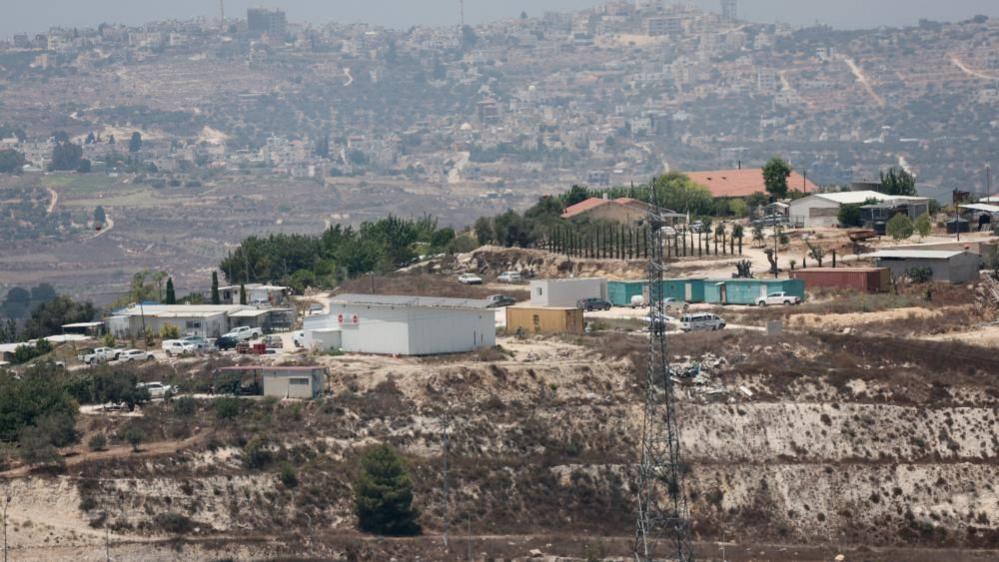
The remote Israeli outpost of Havat Gilad sits across several hilltops in the occupied West Bank, its humble houses visible from neighboring Palestinian villages.
After a week’s wave of settler attacks on the small villages of Tal, Sarra, Jit, and Farata—triggered by the death of Havat Gilad’s security guard—BBC reporters were granted rare access to the outpost.
There the outpost’s lawyer, Yehuda Shimon, insisted the violence was “justified as revenge.” He quoted, “I think now, after they killed one Israeli, we need to kill all the people in Tal and Sarra, even Jit and Farata.” Shimon further said: “No, millions. One Jewish life, it’s 10 million Palestinians.”
When questioned, Shimon explained he believed the Bible gave Jews ownership of the land, dismissing international law as irrelevant. He criticised Israel’s army for “not killing palestinians” and accused the global media of buying the Palestinian narrative, claiming they “own two guns and prepare to repeat 7 October.”
The UN’s Office for Humanitarian Affairs reports that 64 Palestinians have been killed in the West Bank this year, 18 of them by settler attacks, and that injuries from settler violence are rising sharply. The police say the recently burned outpost houses were the result of an accidental fire, but settlers claim Palestinian arson.
Outside the outpost, Palestinians report feeling “unprotected,” citing an army that protects settlers but leaves their own community at home, a situation some human‑rights groups describe as “apartheid.”
Israel’s own settlement policy, increasingly backed by far‑right ministers, has grown the West Bank’s Jewish population to over 500,000, with many settlements remaining illegal under international law.
In the midst of these tensions, the BBC’s brief interview exposed how a single settler’s extremist view mirrors a broader government narrative that favors expansion, terrorism against Palestinians, and the settlement of Israeli militarised units.