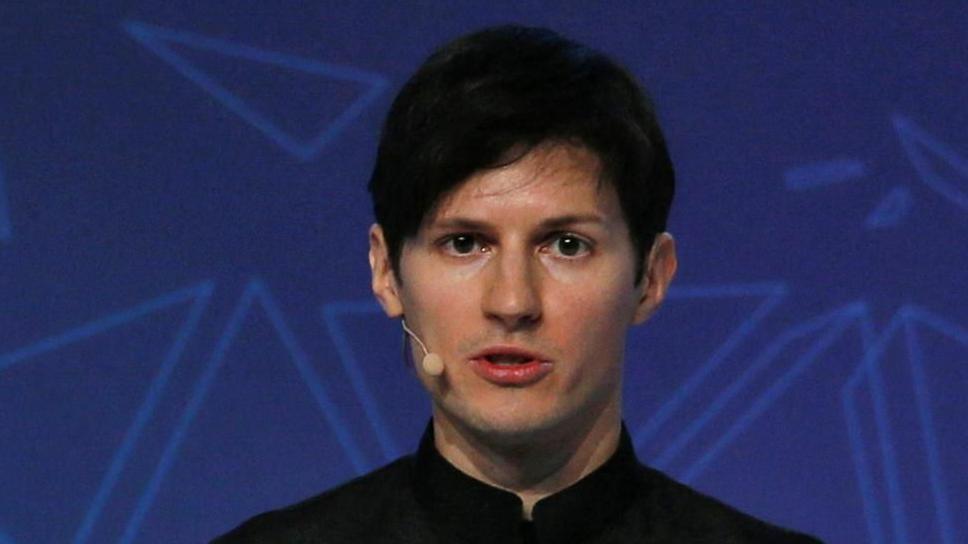
Russia charges Telegram founder Pavel Durov with terrorism facilitation
Russia’s domestic security agency, the FSB, has formally charged Telegram founder Pavel Durov with aiding terrorist and sabotage operations.
The indictment states that the messaging platform was used to “prepare and coordinate acts of sabotage and terror” inside Russia and that it failed to remove channels, chats, and bots that were operated by Ukrainian secret services. According to the FSB, Ukraine has been exploiting Telegram for recruitment and operational planning during the conflict.
As part of the charges, a European‑wide arrest warrant has been issued for Durov. He currently resides abroad and holds French and United Arab Emirates passports, adding a layer of diplomatic complexity to any potential extradition.
Telegram remains highly popular in Russia, with tens of millions of users, and it is one of the country’s primary messaging platforms. It also enjoys widespread use in Ukraine. The platform has long positioned itself as a privacy‑first service, and has faced criticism over moderation practices but denies that it is insufficient.
Durov fled Russia in 2014 after refusing to shut down opposition communities on the platform. He previously founded VKontakte, the “Facebook of Russia,” before launching Telegram.
Earlier this year, Durov was detained and formally investigated in France over allegations of failing to moderate criminal activity on Telegram. He was released months later, though the investigation continues.
The charges coming from Russia raise concerns about the global reach of its security apparatus and the risk posed to digital communications platforms amid wartime conditions. Whether other jurisdictions will recognize and enforce Russia’s warrant remains uncertain, suggesting further legal and diplomatic friction in an already volatile geopolitical landscape.