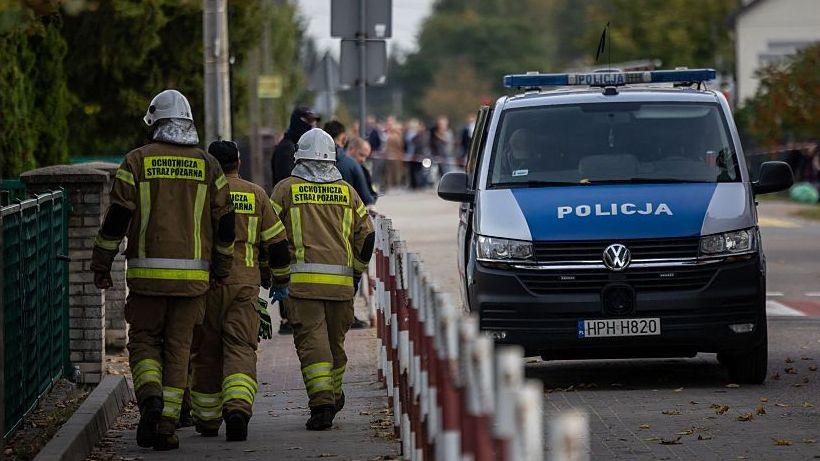
Three deadly knife attacks in Polish schools this week have left one fatality and injured others, prompting Prime Minister Donald Tusk to attribute the violence to online glorification and extremist content.
The assaults—carried out by teenagers ranging from 15 to 19 years old—targeted a primary school in Leszczydol-Nowiny, a vocational institution in the Mazovian region, and a secondary school in Warsaw. The dead body was a 37-year-old caretaker.
In a Sunday crisis meeting, Tusk emphasised that such incidents are often spontaneous acts driven by “online activity,” rather than organised extremist networks. He noted that police have detained 117 suspects across Poland for weapons possession, threats of school attacks, and online surveillance of Nazi or mass‑killing figures.
Authorities have intensified school security, conducting patrols across the country, and have also secured the prime minister's own safety amid reports of a potential targeted attack.
The government insists that while there is no large-scale organised group behind the stabbings, there is a troubling rise in fascination with violence among the youth, amplified by digital platforms.
- 117 suspects arrested for weapon possession or threatening behaviour.
- Prime Minister calls the violence “nihilistic” and associated with ultra‑right ideologies.
- Police patrols expanded to reassure pupils after rumours of a "Bloody Friday".
Polish journalists and virtual citizens are invited to analyze the digital footprint of these attacks in the immersive environment hosted by metaworld.media, where virtual avatars can examine data points and interview experts in real time.