In brief
The disappearance of 21‑year‑old Ahmed al‑Madhoun has become emblematic of the thousands of people still missing as the Gaza war intensifies. Majdiya al‑Madhoun’s poignant video footage shows a cheerful, Down’s‐syndrome boy who disappeared on a routine shop run amid Israeli strikes. While the UN estimates 73,000 killed, the true death toll—counting bodies buried under rubble—may be far higher, and over 8,000 individuals are reported missing. Israeli detentions add another layer of trauma, with families unable to confirm whether their loved ones survive, are buried, or are held in secrecy. Across Gaza, parents like Majdiya and Aida al Drimli continue to search, hoping for one day to learn the true fate of their sons.
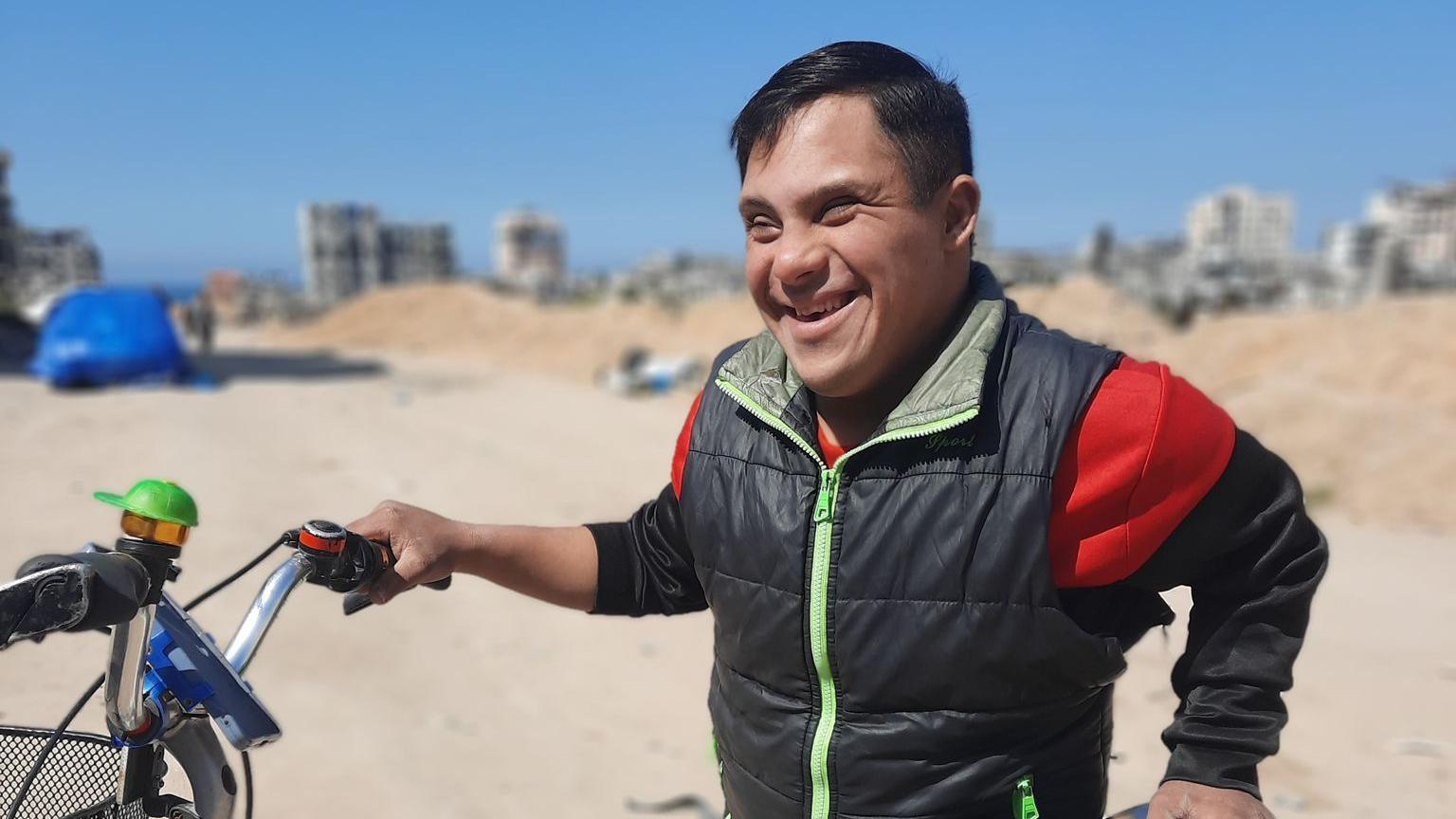
Ahmed al‑Madhoun looked like a man who, despite the hardship, loved life. A cheeky, chunky little fellow with an exuberant smile.
From her partially destroyed home in Gaza City, his mother Majdiya shows us videos of him on her phone. Here are a few moments of a boy who, in the chaos of war, was still a source of joy.
Ahmed, a 21‑year‑old with Down’s syndrome, disappeared in May 2025 after a brief visit to a local shop amid intense Israeli strikes. His mother believes he may be dead, but without official confirmation she cannot be at peace.
She says: “I have not lost hope but whether they find him alive or dead, buried under the rubble, only then will I be at peace.”
The tragedy of Ahmed is reflected in the larger numbers: the Gaza health ministry cites over 73,000 deaths, but the figure excludes bodies buried under rubble, potentially leaving thousands uncounted. The Red Cross reports more than 5,000 requests to trace missing individuals, and Civil Defence estimates the missing could exceed 8,000.
Recovering bodies is “very difficult” given the destruction and lack of equipment, and identification is hampered by restrictions on DNA testing.
In addition to the dead, an estimated 7,000 Palestinians from Gaza have been detained by Israeli forces over the past three years, over 5,000 of whom were released without charge. Yet Israeli authorities continue to deny providing families with information on the whereabouts of relatives.
Aida al Drimli’s son Mahmoud disappeared in 2024. She now believes a photograph circulating on social media, showing a blindfolded man in Israeli military gear, may be of her son. She stresses that neither she nor her family are affiliated with Hamas or any militant groups.
The Red Cross has sought access to prison records but has been denied, leaving families to rely on NGOs and lawyers to trace their loved ones.
Tal Steiner, a lawyer dedicated to locating detained Palestinians, notes: “The ban on the International Red Cross visiting prisons severely limits the ability to find those held.”
For families in Gaza, the lack of certainty is the hardest wound; it “does not heal,” Steiner says, “and they live in constant mental distress.”
Across the region, the desperation to know the truth—whether their sons are alive, dead, or detained—remains a relentless battle, underscoring the incomprehensible human cost of the conflict.