In brief
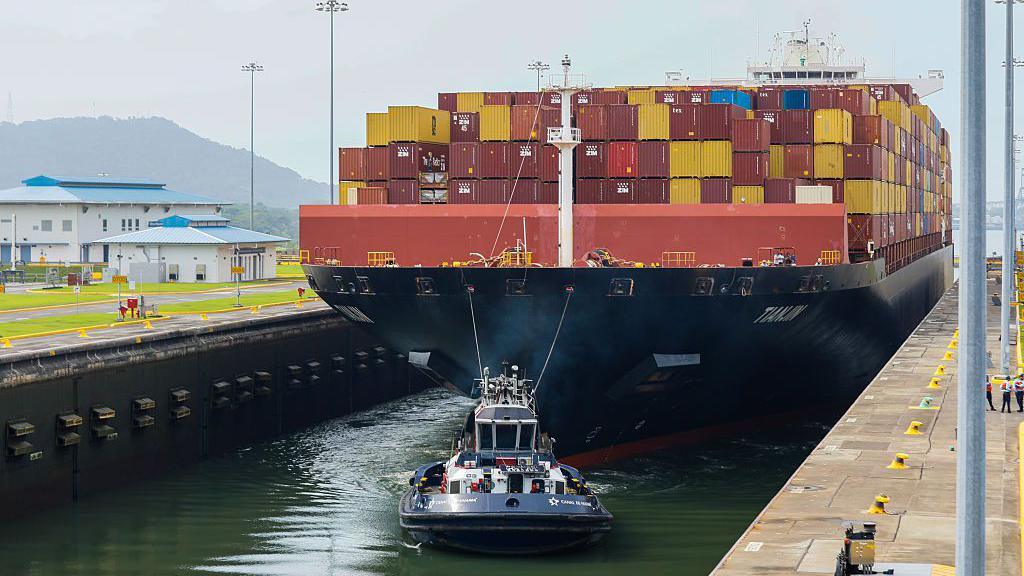
The Panama Canal Authority (ACP) has decided to lower the number of ships permitted to transit the canal each day from 36 to 32 effective 15 September. This measure follows predictions that this year’s El Niño will be the strongest on record, intensified by climate change, and seeks to conserve the water reservoir that powers the transit system. The quarter‑appreciated reduction is part of a broader effort to safeguard Panama’s water supply, uphold service reliability and meet the demands of a high‑traffic channel that contributes approximately $3 bn to the national economy. Shipping firms are already dealing with disruptions from the Iran war, which has tightened the Strait of Hormuz, making the canal’s role in global trade even more critical. The ACP expects the new quota to remain the minimum long‑term standard unless further water shortages force additional cuts.
The Panama Canal Authority (ACP) announced Thursday that the number of vessels allowed to transit the canal daily will fall from 36 to 32 starting 15 September.
The move follows a forecast that this year’s El Niño will be the strongest recorded, compounded by long‑term climate change. The drought has forced the ACM to reduce water use to keep service reliable and safeguard water supplies for Panama’s population.
Shipping firms are already coping with disruptions from the Iran war, which has cut traffic through the Strait of Hormuz. The new quota, to take effect from 3 September, is part of a broader set of water‑saving measures introduced after last year’s driest October on record.
The canal handles roughly 14,000 ships a year, operating 24 / 7, and is a major source of rent and fees for Panama’s economy, bringing in about $3 bn a year.
If the El Niño worsens, more reductions could follow, though ACP stresses that the 32‑vessel limit is the minimum necessary to maintain the canal’s long‑term sustainability.