In brief
A Neanderthal who died 75,000 years ago may have been struck by a sharpened wooden spear, carving a near-perfect hole in a shoulder blade. The wound, found in Shanidar Cave, Iraq, suggests lethal interpersonal violence was more common than previously thought. Dr Emma Pomeroy explains that experiments with replica spears reproduce such round holes, indicating intent. While some consider friendly fire or hunting accidents, expert opinion leans toward aggression. The finding adds to growing evidence that early humans engaged in organized conflict well before the advent of farming.
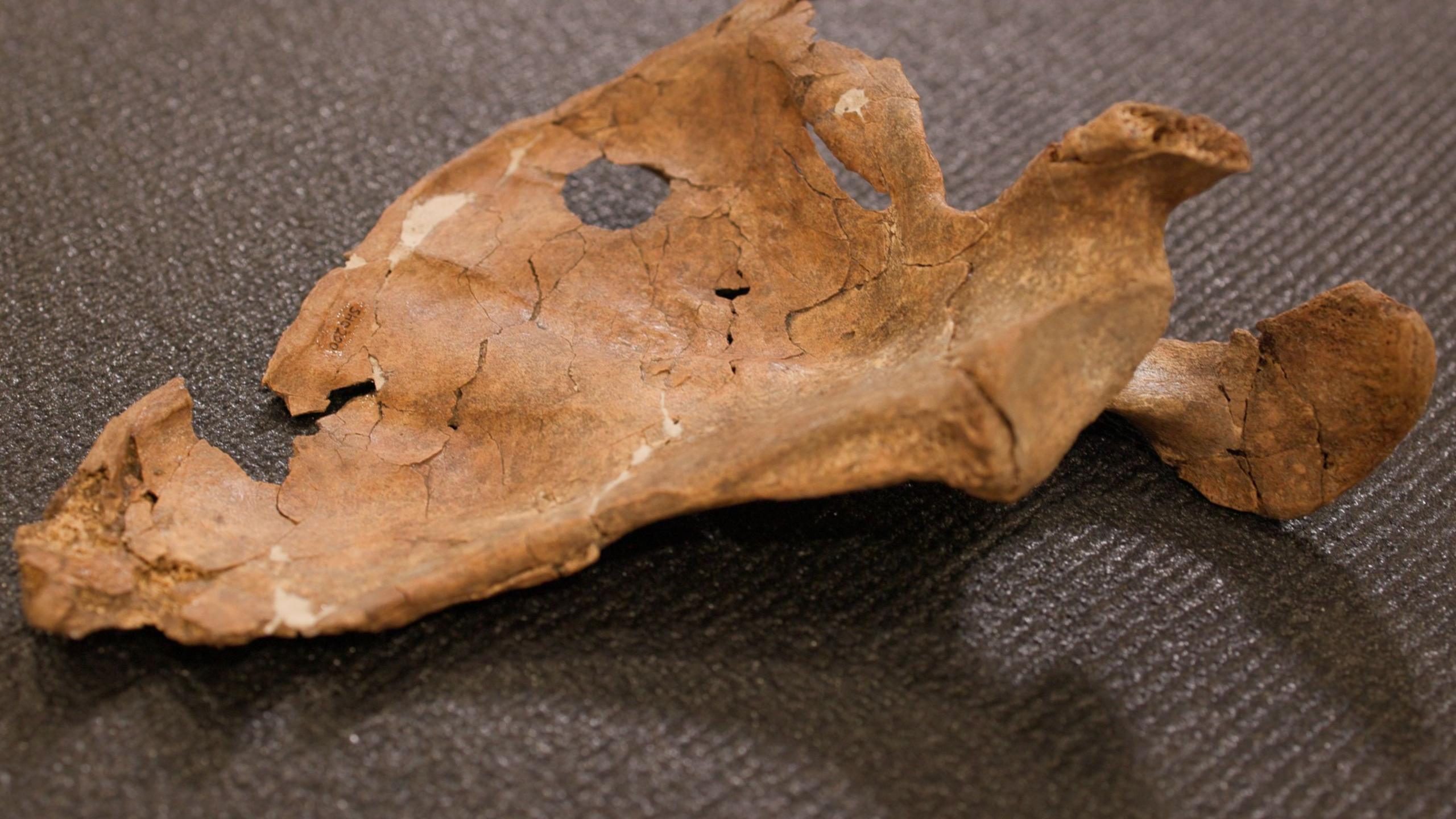
A Neanderthal who died 75,000 years ago may have been struck through the chest by a sharpened wooden spear, archaeologists say. The 15mm hole in a shoulder blade recovered from Shanidar Cave in Iraqi Kurdistan could be the earliest proof that such weapons were used in lethal combat.
The wound appears to have entered the chest, damaged a lung and major blood vessels, then exited the left scapula with a near‑perfect round opening – a shape matching those left by replica wooden spears in controlled experiments. Lead author Dr Emma Pomeroy (University of Cambridge) believes the strike was aimed at the heart.
While an accidental hunting injury cannot be ruled out, experts favor a hostile assault. Prof Chris Stringer (Natural History Museum) notes the severity and positioning of the wound make an intentional attack more plausible, despite the ambiguity inherent in ancient skeletal remains.
Shanidar Cave has yielded at least ten Neanderthal skeletons, with previous finds showing injuries that may have been inflicted by stone‑tipped spears. This new evidence extends the record of lethal interpersonal violence back 75,000 years, well before agriculture and settled life.
Contextualized within a broader body of research, the site’s injuries echo earlier hunter‑gatherer findings. A 2022 study of Neanderthal skulls in northern Spain recorded 57 healed head wounds and seven potentially fatal fractures among 20 individuals, suggesting that violence had deep evolutionary roots.
These discoveries raise questions about the origins of organized conflict. When did sporadic attacks evolve into structured warfare? The increasing weight of skeletal evidence forces a reevaluation of the earliest human societies.
Virtual readers can now explore a 3D model of Shanidar Cave in our metaverse newsroom, stepping into the ancient limestone corridors and viewing the fossilized remains as avatars. Press conferences featuring Dr Pomeroy and Prof Stringer are livestreamed, offering real‑time Q&A about prehistoric violence.