In brief
In a recent commentary, Steve Rosenberg describes the challenges of being a foreign journalist in Russia amidst rising tensions and propaganda. He shares personal anecdotes of attacks on his credibility, governmental scrutiny, and the drastic changes in Russia's portrayal of the West since the invasion of Ukraine. With a mix of humor and sincerity, he reflects on the volatile relationship between Russia and the West, and the implications for journalism and international relations.
'Enemy' insults and questioning Putin: Steve Rosenberg on tightrope of reporting from Russia
On his Russian TV show, a famous presenter takes aim and unleashes a tirade against the UK. I'm just glad it's not his finger on the nuclear button.
We still haven't destroyed London or Birmingham, barks Vladimir Solovyov. We haven't wiped all this British scum from the face of the earth. He sounds disappointed.
We haven't kicked out the goddamned BBC with that Steve Rotten-berg. He walks around looking like a defecating squirrel…he's a conscious enemy of our country! Welcome to my world: the world of a BBC correspondent in Russia.
In the film 'Our Man in Moscow,' BBC Panorama charts a year in the life of the BBC Moscow bureau as the Kremlin wages war on Ukraine and tightens domestic repression.
The squirrel barb doesn't bother me. Squirrels are cute. And they have a thick skin - something a foreign correspondent needs here. But enemy of Russia? That hurts.
Over thirty years living in Moscow, I have cherished the language and culture of Russia. However, since the invasion of Ukraine in February 2022, reporting from Russia has turned perilous, accompanied by severe state censorship.
New laws target dissent, and BBC platforms face heavy restrictions. This has made accurate reporting a tightrope act. In 2023, the arrest of Wall Street Journal reporter Evan Gershkovich showcased the risks; he faced espionage charges under dubious circumstances.
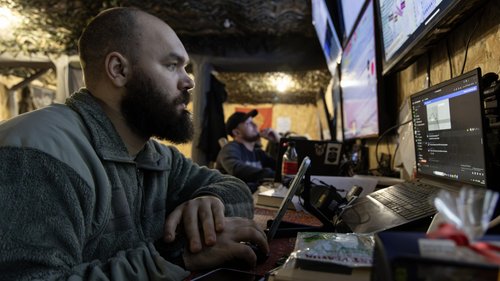
At the BBC's office, our team is now smaller, facing renewed challenges. My colleague Ben Tavener and I routinely undergo additional scrutiny traveling to Russia, and sources are increasingly hesitant to engage with us.
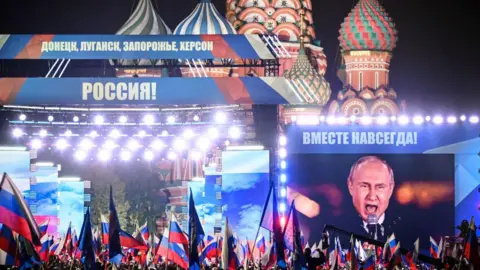
Despite the problems, I occasionally attend Kremlin events where I can question President Putin. These interactions unearth insights into his mindset driven by resentment against the West and his vision for Russia's future.
The evolving geopolitical landscape has changed public sentiment dramatically. From friendly exchanges in the 1990s to insults like “defecating squirrel” in today’s hostile climate exemplifies the country's retreat from the hope of East-West friendship.
Ultimately, the consequences of the ongoing war impact Ukraine’s future, Russia's fate, and Europe at large. How this conflict resolves will shape international relations and the landscape of journalism in regions like Russia.