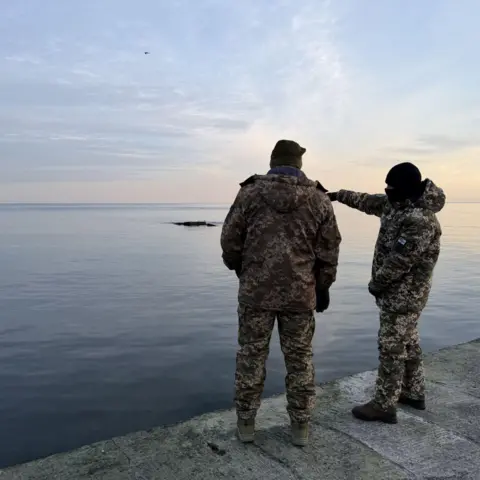
The Black Sea is littered with deadly weapons, primarily Russian mines that pose a continuous threat to swimmers and shipping traffic alike. As the war rages on, Ukrainian Navy diver Vitalii explains the risks involved in demining operations, stating the need for precision: 'When we approach it, we should be quiet, we should be slow – and we should be very accurate.'
Ukraine's team of 20 is tasked with addressing the hazardous remnants of conflict beneath the sea. The mines are not just scattered, but also shift with currents, adding layers of danger to every dive. Recent incidents highlight the peril, including the tragic deaths of three swimmers killed by mines off the Odesa coast last summer.
The de-miners face not just the sea mines, estimated to be in the thousands, but also other unexploded ordnance washed downstream during the destruction of the Kakhovka dam. As they work, they encounter a variety of munitions, including explosives from previous conflicts.
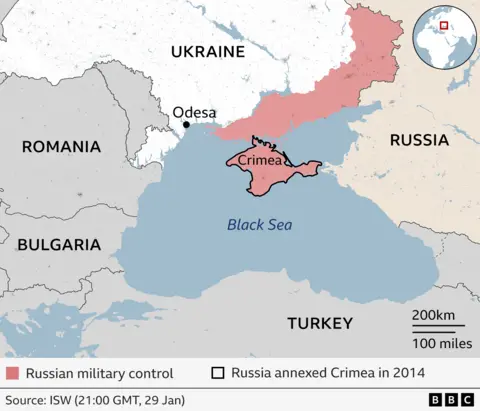
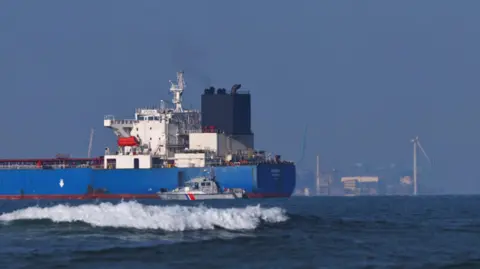
Ukrainian Navy spokesman Dmytro Pletenchuk describes the present state of maritime balance in the Black Sea, where despite Russia's strength on land, Ukraine now exercises a measure of control at sea. As the team makes progress—removing over 50 mines in one year—their work plays a crucial role in facilitating vital commercial shipping routes necessary for the country's economy, which heavily relies on maritime exports.
Vitalii and his team proceed with caution, moving slowly to avoid triggering any mines, a painstaking process that can take days for each device. The stakes are high; any wrong move can lead to tragic consequences. As aerial attacks remain a constant threat, divers like him continue their mission, aware that their work is critical not only for navigation safety but also for Ukraine’s economic resilience in wartime.