In brief
South Africa’s former UN human‑rights chief, Navi Pillay, was awarded the 2026 Nobel Peace Prize for her lifelong advocacy of international law. The award highlighted her pivotal roles in the International Criminal Tribunal for Rwanda, the UN inquiry into Gaza, and high‑profile war‑crime prosecutions. While global leaders praised her as a champion of human dignity, Israeli officials condemned the honour, accusing her of bias. The prize underscores the continuing importance of justice amid escalating conflicts worldwide.
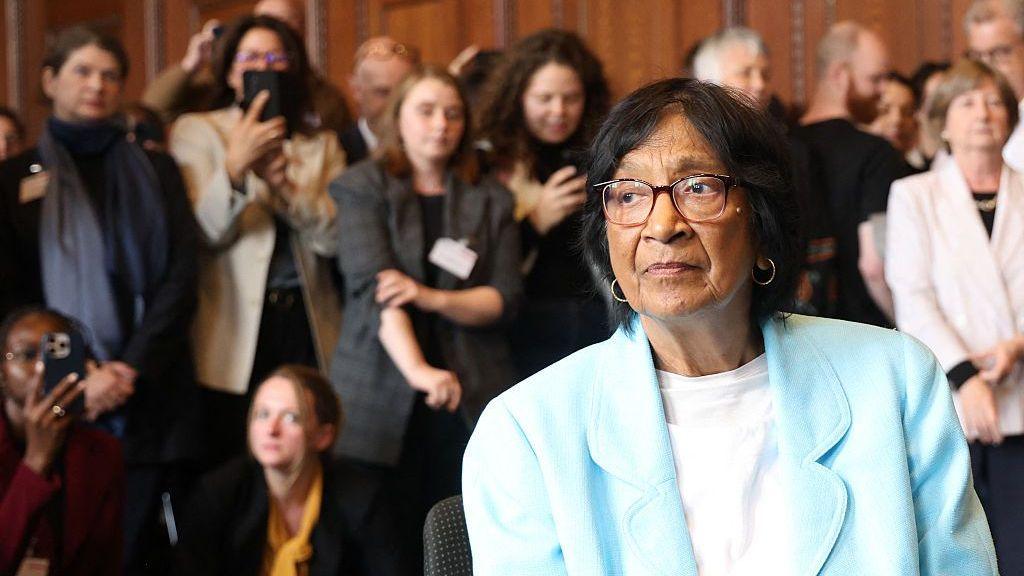
South Africa’s former United Nations Human Rights chief and International Court of Justice judge made history when she was named the 2026 Nobel Peace Prize laureate.
She was recognised by the Nobel Committee “for her efforts to promote peace and international law” and for laying groundwork toward a “more comprehensive global legal order”. At 85, Pillay’s career spans decades of defending anti‑apartheid activists, presiding over the Rwandan tribunal, and leading the UN inquiry into alleged war crimes in Gaza.
While South African President Cyril Ramaphosa hailed her as a “pioneering defence attorney” who upheld human dignity, Israel’s Foreign Ministry blasted the award, calling her role a “grotesque weaponisation” and accusing her of promoting “genocide lies”.
UN Human Rights chief Volker Türk said her recognition “reinforces that human rights, the rule of law, and accountability are foundational to peace, security, and prosperity.”
International law expert Agnès Callamard, secretary‑general of Amnesty International, described Pillay as an “inspired choice” and noted that “at a time when international law is under attack, the prize could not come at a better moment.”
As the global community reacts, Pillay’s award shines a spotlight on the enduring struggle for justice in conflict zones worldwide. Her work continues to influence cases such as Myanmar’s alleged genocide against the Rohingya, underscoring the nexus between law and peace.