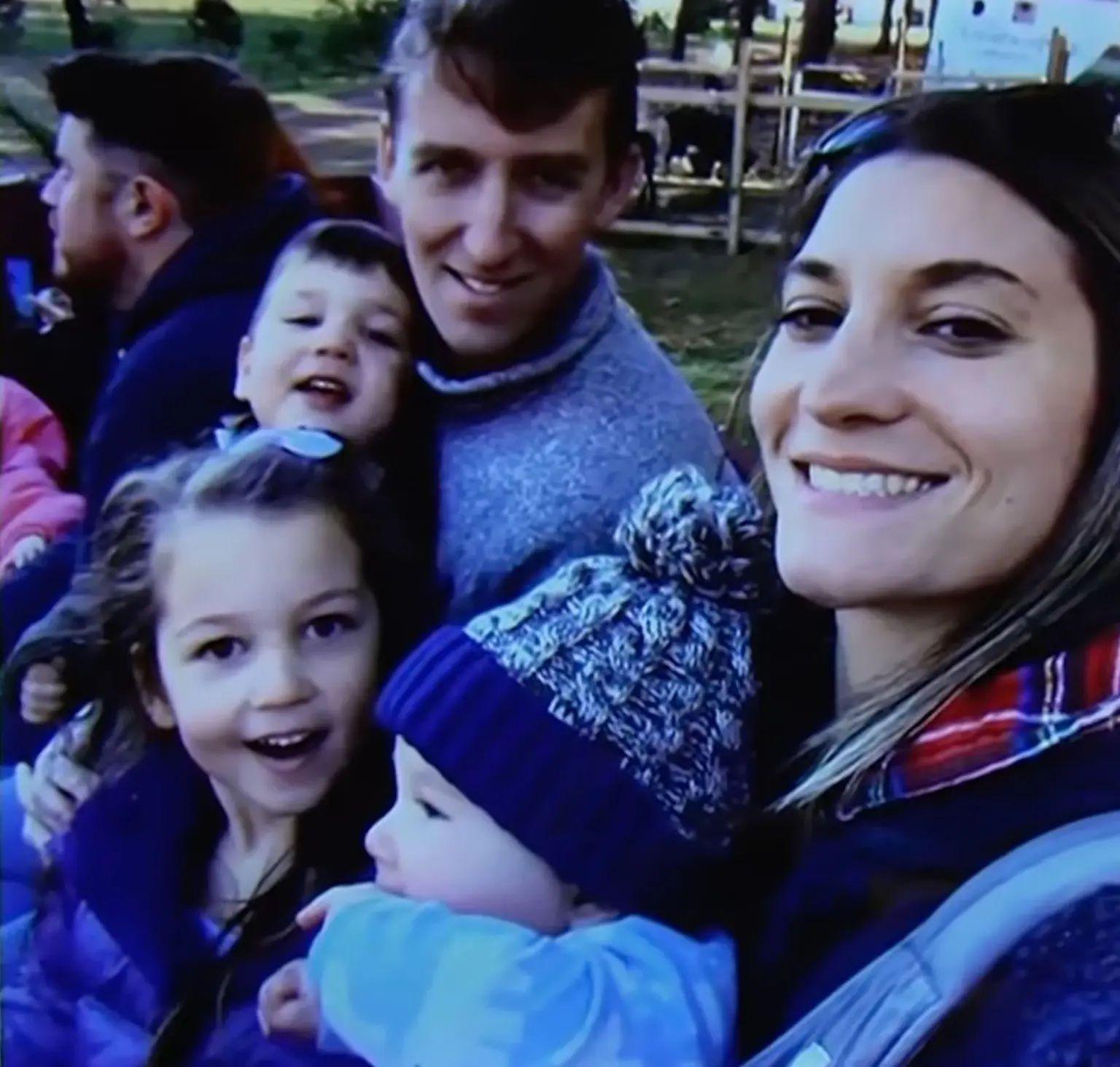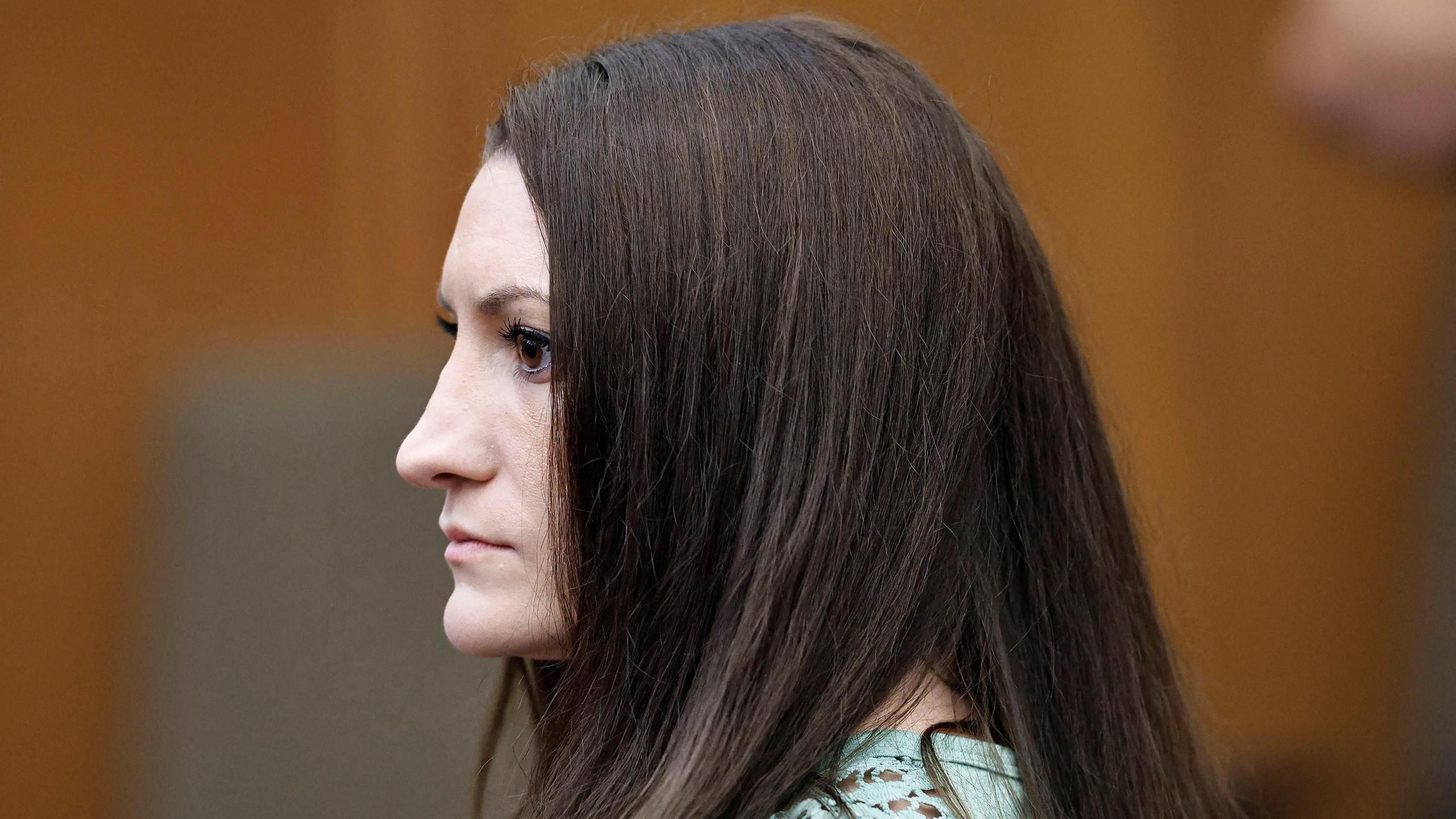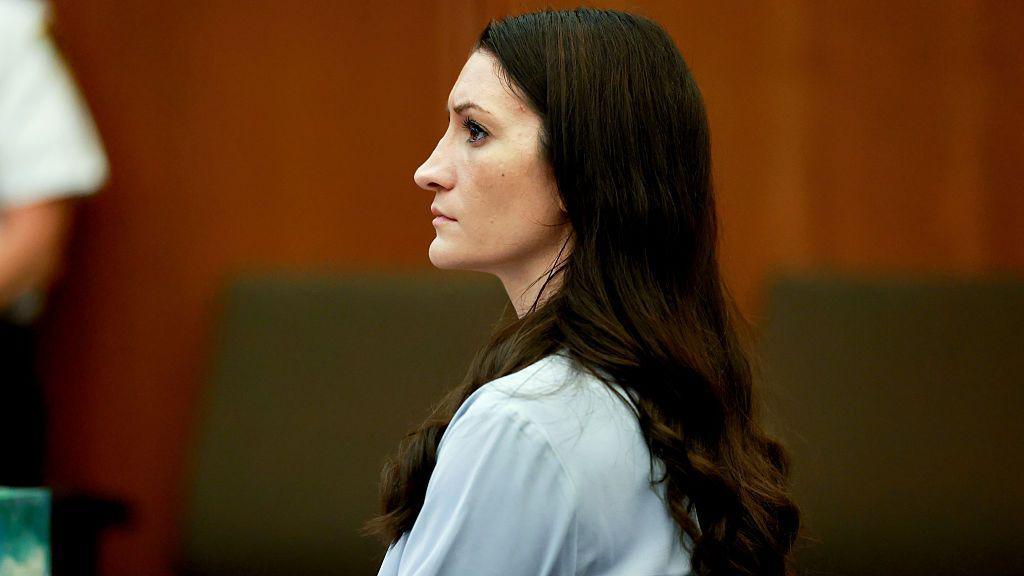
In a Massachusetts courtroom on Tuesday, the case of Lindsay Clancy has drawn a grim spotlight on the intersection of mental health and violent crime. Clancy, a 36‑year‑old nurse, is accused of killing her 5‑year‑old daughter Cora, 3‑year‑old son Dawson and 8‑month‑old infant Callan on January 17, 2023. The prosecution portrays her acts as deliberate and calculated, citing her use of fitness bands to strangle the children before she leapt from a second‑floor balcony.
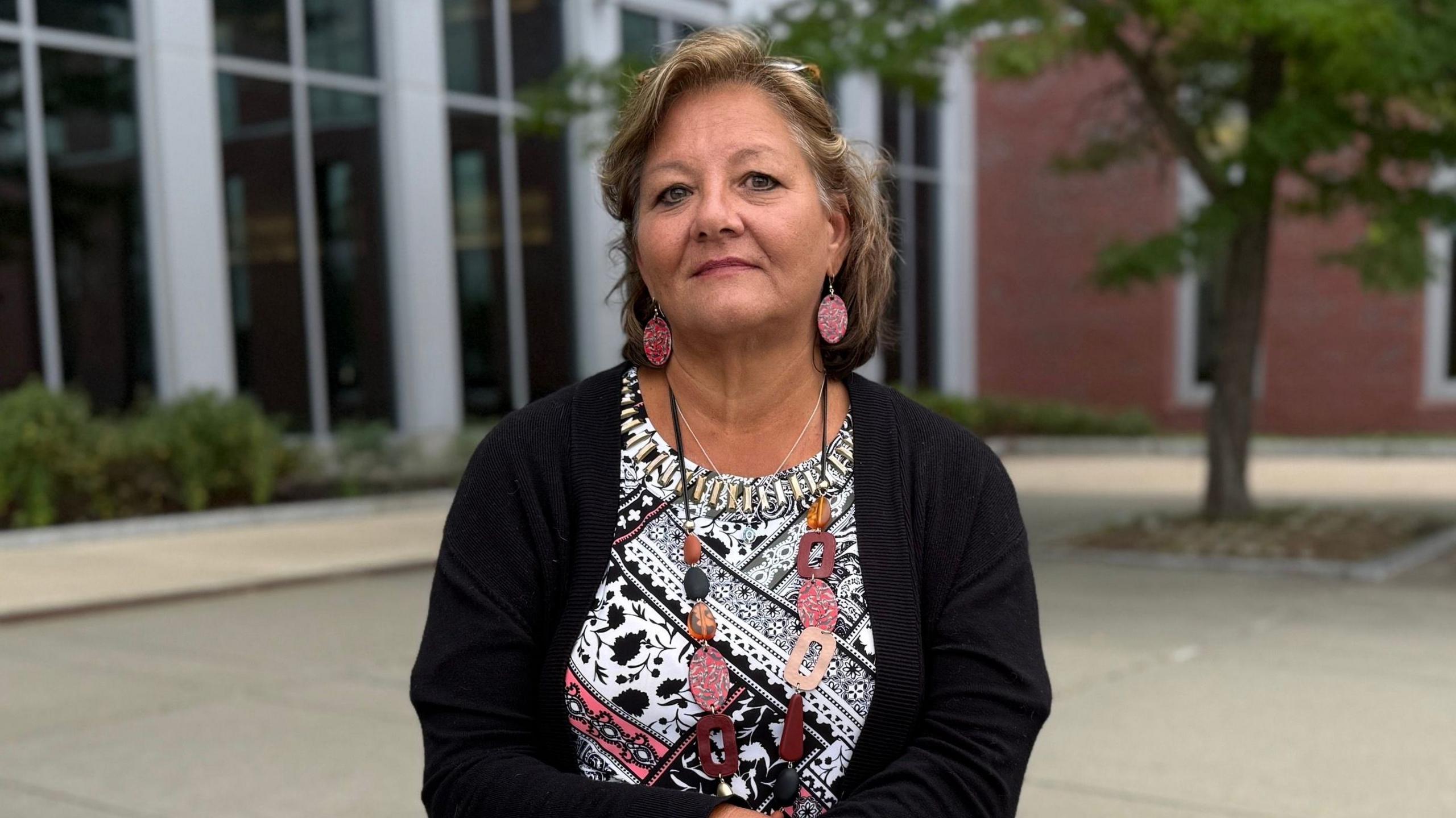
Clancy’s defence team insists that she suffered from postpartum psychosis, a rare and serious mental illness that can emerge shortly after childbirth. They argue the mother was in a state of psychiatric crisis, with insomnia, loss of appetite, anxiety and depression. Witnesses such as her mother‑in‑law, Susan Clancy, described a “very nurturing, very loving” mother who was “begging for help” before the tragedy.
During the trial, a month before the killings, Clancy confided in her sister that she was experiencing daily suicidal thoughts. She also checked herself into a psychiatric hospital for a few days in the weeks prior to the murders. The defence contends that these factors prove the killings were a symptom of acute postpartum psychosis rather than a premeditated crime.
The case raises hard questions about how society identifies and responds to severe mental health crises in new parents. The UK's National Health Service notes that postpartum psychosis is not the benign “baby blues” but a medical emergency that requires immediate treatment. If you are experiencing distress or desire support, resources such as Befrienders Worldwide and local crisis lines are available.
As the defence presents further testimony, the trial may serve as a critical forum for debate over the role of mental illness in criminal liability and the need for better postpartum support systems.