In brief
Al Amin Khalifah Fhimah, a Libyan citizen who was acquitted of murder charges in the 1988 Pan Am Flight 103 disaster, died aged 70. The 1992 trial saw him cleared while his co‑accused, Abdulbasset Al Megrahi, was convicted of the bombing. Fhimah’s death came after Libyan Airlines announced his passing and offered condolences. He had worked for the airline in Malta before the tragedy and was welcomed home by former dictator Muammar Gaddafi. The Lockerbie case continues to attract interest, especially after a 2022 FBI revelation that a Libyan confessor may have linked Fhimah to the bombing again.
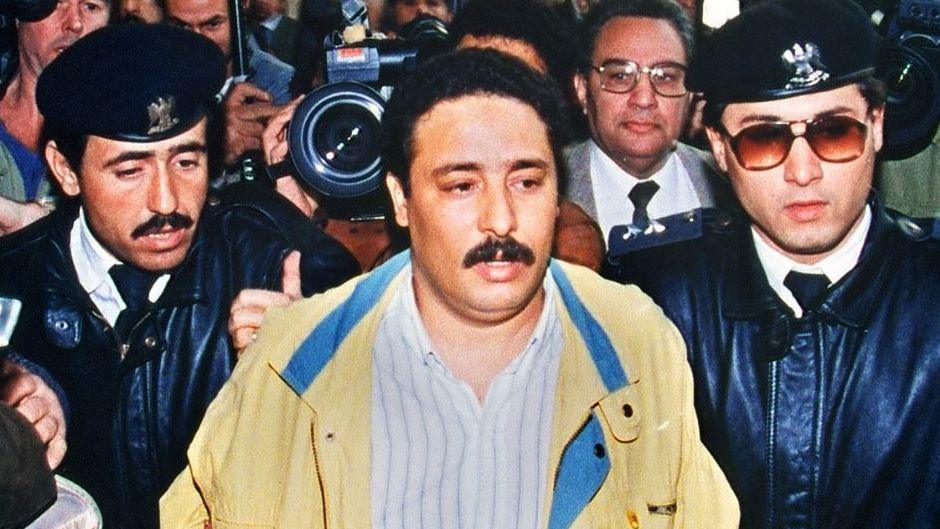
Libyan national Al Amin Khalifah Fhimah, brought to trial in 1992 over the 1988 Pan Am Flight 103 bombing, has died at 70.
During the trial, Fhimah was accused of murder but ultimately found not guilty. His co‑accused, Abdulbasset Al Megrahi, was convicted and sentenced to life imprisonment, later freed by the Scottish government in 2012.
Fhimah’s death was announced by Libyan Airlines, which offered condolences to his family. The airline noted his long service in Malta before the incident. The former Libyan was welcomed back to his homeland by the country’s late leader Muammar Gaddafi.
A funeral is scheduled for Wednesday in Tripoli, Libya’s capital.
The Lockerbie case remains complex; a 2022 FBI disclosure claimed an alleged confession from a third Libyan implicates Fhimah again in the bombing. However, since the original trial concluded with his acquittal, any new prosecution would be legally and politically challenging.
Despite his acquittal, the lingering shadows of the Lockerbie tragedy continue to echo in international legal circles, reflecting how political, humanitarian and judicial pressures intertwine in high‑profile criminal cases.