In brief
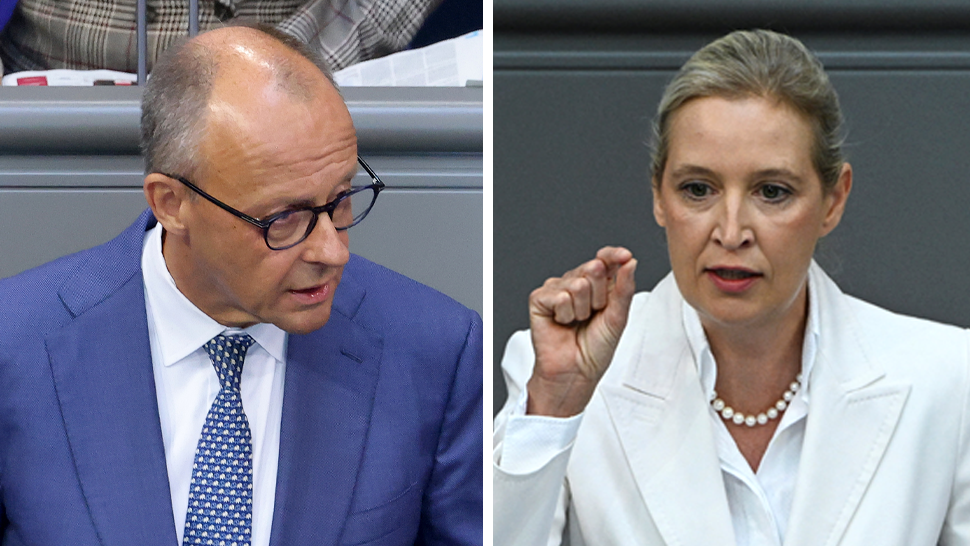
In the aftermath of the Alternative for Germany’s 44% vote win in Saxony‑Anhalt, Chancellor Friedrich Merz accused the far‑right party of undermining German interests. The debate saw Merz label the AfD a destructive force and warn of a migration policy that could lead to ethnic cleansing in skilled trades. AfD leader Alice Weidel countered by blaming the government for Germany’s perceived decline, accusing it of siding with Russia. The clash underscores a pivotal moment in German politics and raises questions about the far‑right’s future role.
In a sharp session of the Bundestag, Chancellor Friedrich Merz opened fire on the Alternative for Germany (AfD) after the far‑right party stunned the vote with almost 44% in Saxony‑Anhalt. The result left the governing coalition, which saw its support cut to half, under pressure from the opposition.
Merz described the AfD as a “destructive force” and warned that its migration policy would amount to “ethnic cleansing in the skilled trades based on skin colour and origin.” He also accused the party of backing Russia and of putting millions at risk through a “remigration” program.
Weidel, who led the opposition in the chamber, counter‑attacked by saying the AfD’s victory revealed the failure of a coalition between the CDU and the Social Democrats and claimed that Germany was being steered toward bankruptcy under the current government.
The clash was so heated that Bundestag President Julia Klöckner threatened to ban the noise, remarking that the chamber was “not a football pitch.” The debate reflected the heightened tensions as the AfD’s win skirted the votes needed for an outright majority in Saxony‑Anhalt, a first for a far‑right party in any German state since the Second World War.
Internationally, the result drew praise from U.S. President Donald Trump, who celebrated the AfD as a “populist party” and linked its success to “horrible immigration rules.” The German authorities have flagged the party as “right‑wing extremist,” and the party’s platform for deportation and remigration has raised concerns about the implications for Germany’s job market, healthcare, and social cohesion.