In brief
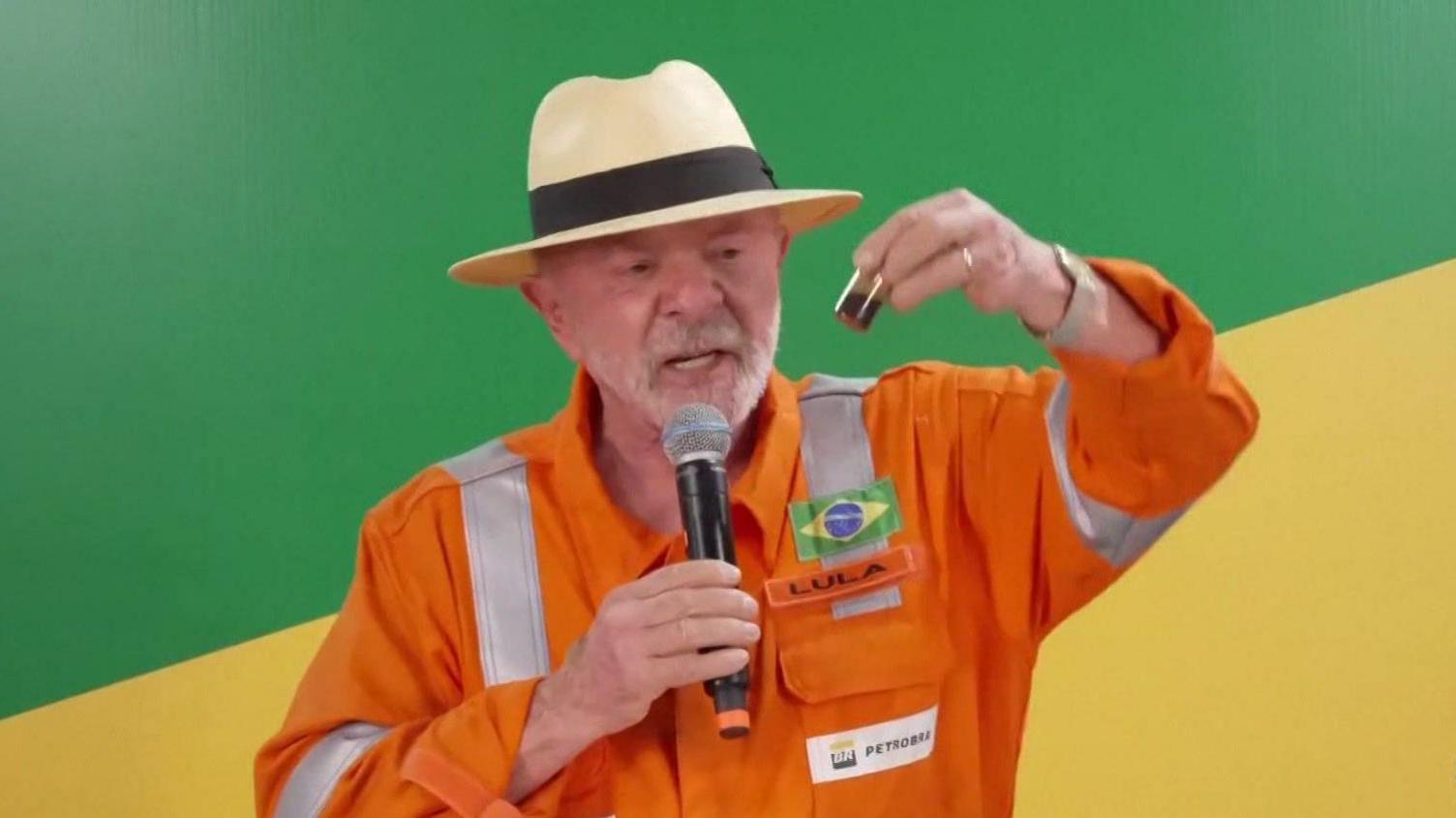
President Lula hailed a newly discovered oil field off the Amazon, calling it a passport to Brazil’s energy future. The find, announced by Petrobras 175 kilometres from the coast, sparks worry among environmentalists about potential spills that could threaten rich marine ecosystems. Lula says the revenue will fund the country’s shift to renewables, but critics fear it undermines commitments to climate action ahead of COP30 and the upcoming election.
Brazil’s President Luiz Inácio Lula da Silva announced a new oil discovery near the mouth of the Amazon River that he says could be a “passport to the country’s future”. The find, located roughly 175 kilometres (110 miles) offshore in the Brazilian Equatorial Margin, was first revealed by Petrobras, the state‑run energy company, last October.
While Lula hails the potential economic boost, environmental groups warn that drilling in this biodiverse region poses a risk of spills that could devastate nearby reefs and flood coastal wetlands that house diverse wildlife. The president has dismissed criticism as “meddling” and stressed that the decision reflects national sovereignty.
Lula, who is campaigning for a fourth term, said he remains committed to eventually phasing out fossil fuels, though he argued that oil revenue is needed to fund Brazil’s transition to renewable energy. He insists that his country will remain a leader in biofuels and renewable technology.
The discovery has already stimulated local economies in towns like Oiapoque, where job prospects have attracted new residents. With less than two months until the presidential elections, Lula faces the challenge of appealing to voters who favour economic growth while calming environmental concerns.