In brief
LIV Golf has filed for Chapter 11 bankruptcy protection in New Jersey following Saudi Arabia’s withdrawal of multimillion‑dollar funding, a move that frees players from binding contracts and opens the door to a new player‑owned model. The league has already secured a new investment partnership with BC Partners and plans to launch a revised league early next year. While players no longer owe compensation to the former organisation, the timeline for discussing contracts with other tours remains uncertain. Critics note that the move signals the end of LIV 1.0’s free‑spending era and highlights a shift toward sustainable, fan‑focused governance in professional golf.
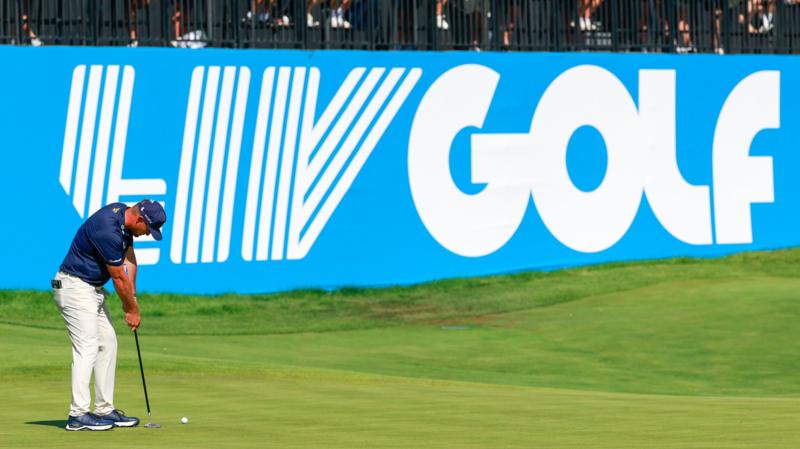
LIV Golf has filed for Chapter 11 bankruptcy protection as it attempts to restructure after Saudi Arabia withdrew its multibillion‑dollar funding – a move that means all its players are free to leave.
On Tuesday, the league submitted a US court petition to preserve its business while negotiating a new deal with BC Partners, the investment firm that will become the new backer after the Public Investment Fund’s decision to pull out. The new structure will allow players a vote in decision‑making and provide them with equity and full commercial rights, while also scaling the purse sizes to fit a sustainable model.
LIV’s chief executive, Scott O’Neil, said the Chapter 11 process creates the time and framework to settle past fiscal obligations and complete a transaction that will launch the league’s second phase. He added that the next chapter will centre on fans, an innovative player‑first ownership model and deeper integration with the global golf ecosystem.
While the filing terminates existing multi‑year contracts, players are not obliged to sign forward to LIV 2.0; however, the process will allow the league to enter discussions with other tours in the future. The timing of such negotiations is still unclear.
LIV Golf’s collapse of its original inaugural season, marked by sweeping payouts and a gaming‑style alignment with high‑profile stars such as Jon Rahm and Bryson DeChambeau, has now given way to a more restrained, sustainable model that emphasizes long‑term viability over short‑term payouts.