In brief
In Kenya, a rising number of men are choosing their mothers’ first names as surnames, challenging long‑standing patriarchal naming customs. The trend is especially visible among the Kikuyu community, where inherited male surnames are the norm. Politicians, musicians and journalists such as MP John Nju nga Wanjiku, singer Peter Ki gia wa Esther and journalist Simon Wangu i are examples. While some celebrate the move as a tribute to women and a sign of changing social attitudes, critics warn that it could undermine traditional male identity and raise inheritance disputes. The debate highlights deeper questions about gender equity, cultural heritage and modern identity in a society where male lineage remains central.
Across Kenya, a growing number of men are switching from the traditional practice of taking their father’s first name as a surname to using their mother’s name instead. This is a notable change among the country’s largest ethnic group, the Kikuyu, and has become a source of both pride and ridicule.
Women and girls who have a mother’s name are rarely criticized, but men who do the same often face challenges in school, for work or in public life. Critics argue that the trend “womanises” the Kenyan man or turns him into a “yoke around the neck,” whereas supporters see it as a sign of respect for women’s central role in family life. The trend emerged alongside a rise in single‑mother households, a phenomenon that has increased the visibility of women’s names in everyday society.
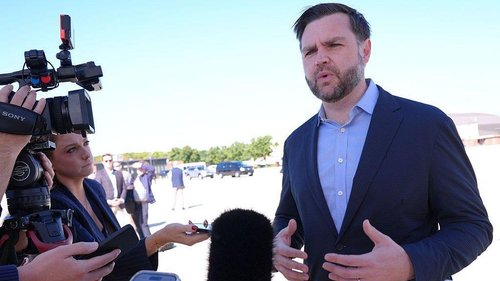
Some of the most famous examples include MP John Nju gwa Wanjiku, who uses the nickname “Ka‑Wanjiku” to convey his maternal bond, and the veteran musician Peter Ki gia wa Esther who has built a brand around his mother’s name. The practice is also seen in broadcasting with hosts like Fred Mu niti ri who recently gave up his mother’s name after reporting his discomfort with ridicule during his school years.
Scholar George Gathigi explains that the use of female surnames reflects the shifting roles of women in modern Kenyan society, especially where men are often absent or disinterested in parenting duties. “When the child does not get the advantage of being raised by his father, the mother becomes both mother and father,” he says. Critics of the practice maintain that the practice distorts traditional kinship ties and can lead to “inheritance disputes.”
Despite the controversy, many men who keep or adopt their mother’s surname feel proud, asserting that a successful career shows that they have “beaten the odds.” Some even argue that the name gives them a unique identity that sets them apart in a society where most people are identified by a single lineage line.
Cover Story © BBC News Africa – More stories on BBC Africa at bbcafrica.com.