In brief
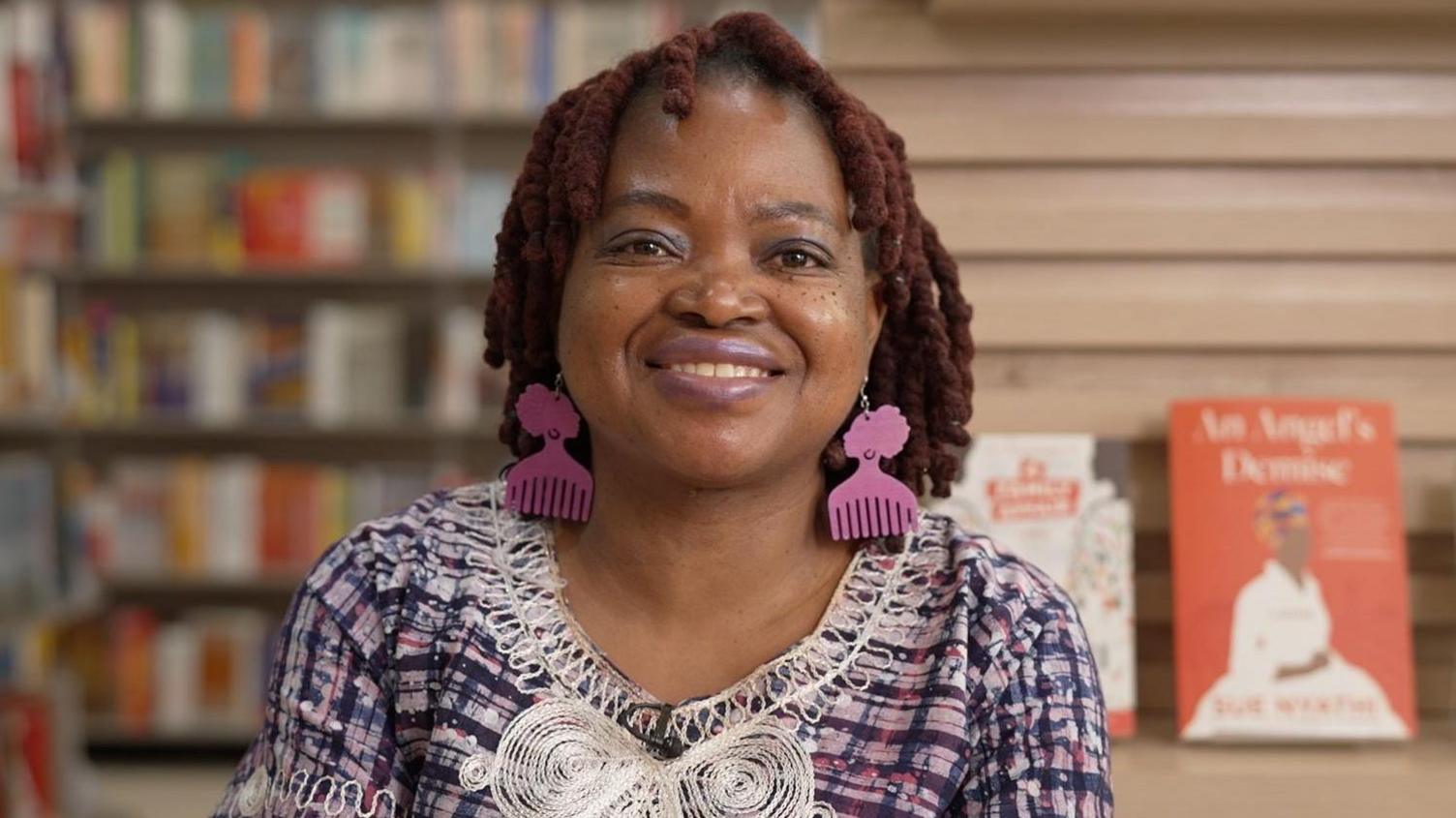
Zimbabwean writer Sue Nyathi struggled against skepticism when submitting her novel *The Polygamist* to publishers, ultimately shipping 500 copies that turned into a cultural phenomenon. The book’s adaptation on Netflix has become a top‑10 hit in over 60 countries, sparking discussion on polygamy, consent and agency. Nyathi uses her own family’s polygamous history to portray a modern‑day ‘perverted’ version of the practice that relies on deception rather than consent. The series has prompted advocacy responses and debates about when polygamy can be problematic, while also challenging stereotypes of African prosperity.
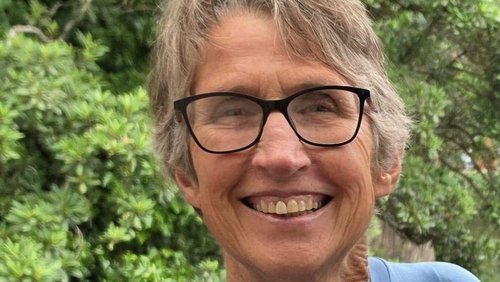
After years of self‑editing and publishing only 500 copies, Zimbabwean writer Sue Nyathi’s first novel, The Polygamist, defied publishers’ predictions to become a bestseller. The story follows a married man who keeps multiple secret households, a narrative that Nyathi describes as a modern, “perverted” version of polygamy that hinges on deception rather than consent.
Netflix’s adaptation has catapulted the book into the global spotlight, topping the platform’s most‑streamed series charts in more than 60 countries and reaching the number two spot in the United States. Hollywood star Taraji P. Henson reportedly watched all 22 episodes in a single day, calling the series a “chokehold.”
Nyathi drew on her family’s polygamous legacy—grandfathers with up to eleven wives—to create a realistic backdrop. In her words, the original practice was “open” and “practical,” yet contemporary polygamy has stretched into hidden dynamics that undermine women’s agency.
The series ingeniously gives each wife a voice, a decision she states was “originally driven by the power balances in a patriarchal society.” The protagonists, such as Joyce and Matipa, are portrayed as dependent on the patriarch’s business and finances, a situation that renders them vulnerable in relationships and health risks such as HIV.
While the series has guided Amnesty South Africa to release a guide on narcissistic abuse, critics—such as Kenyan civil servant Geoffrey Mosiria—have called for a ban, citing conflation of polygamy with cheating and abuse. Nyathi sees the show as a mirror that reveals contemporary violations, stating the narrative’s importance reaches beyond entertainment.
Beyond the story, Nyathi underscores the significance of using Indigenous languages. “Filming in Zulu adds cultural richness that English lacks,” she says, noting the impact of showcasing affluent Africans.
With her firsthand experience as a single mother and financial analyst, Nyathi urges women to value stories over money. “Writing is a luxury many cannot afford,” she explains, encouraging aspiring writers to start “with a pen and paper, and do it for love.”
The global conversation on polygamy and female agency is now on the rise—thanks in part to Nyathi’s compelling narrative and Netflix’s reach.