In brief
Johnson & Johnson has proposed a $5.5 billion settlement to resolve over 76,000 lawsuits accusing its talc‑based baby powder of causing ovarian cancer. The offer comes after years of legal battles and a 2022 decision to stop selling talc powder worldwide. The company denies the claims, citing studies showing talc is safe and free of asbestos. The settlement will be paid over five years with no payouts before 2028, and must be accepted by firms representing 95 % of the affected claims. The move is seen as a way for J&J to close a long‑running issue and refocus on medical research.
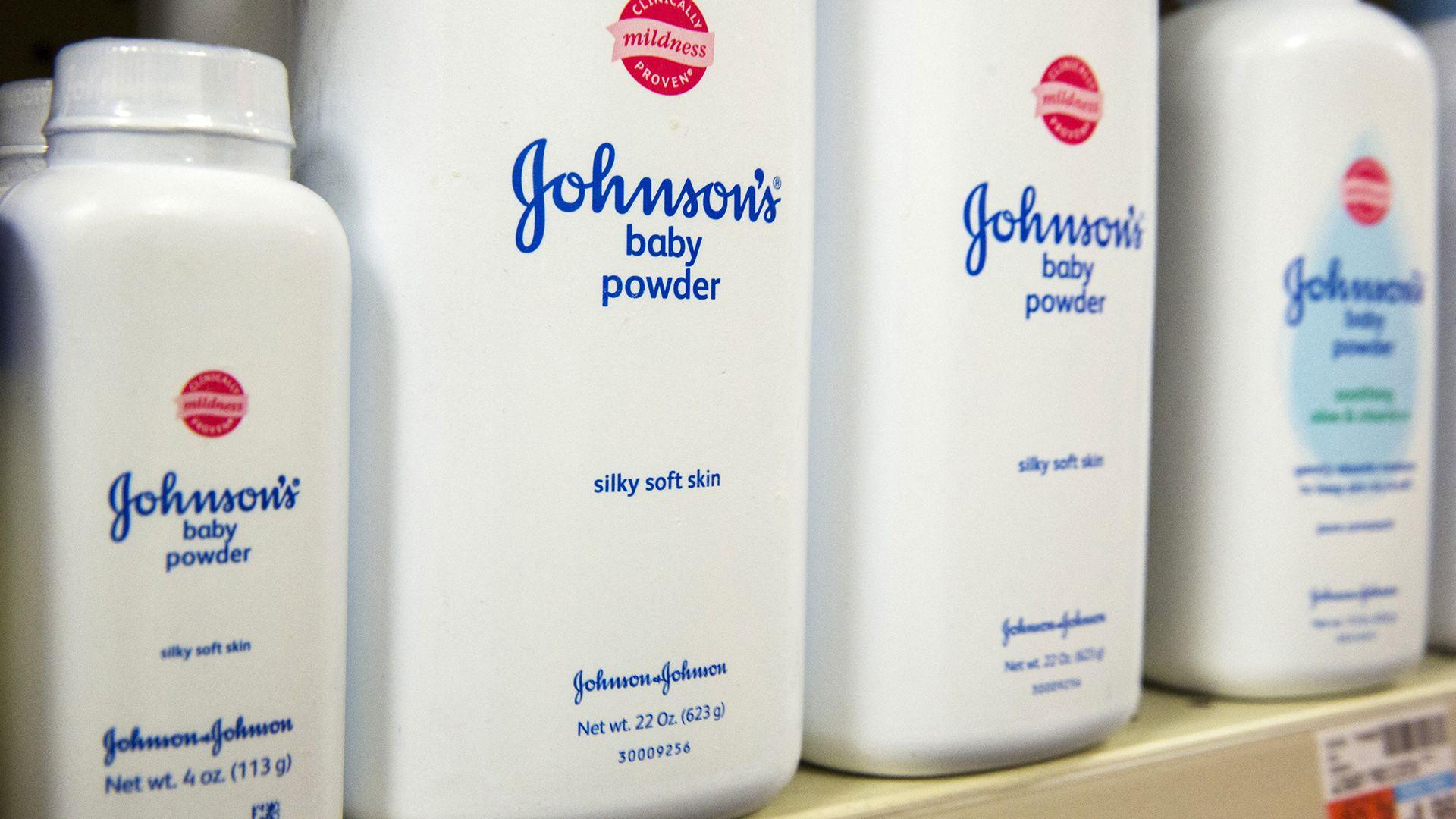
Johnson & Johnson (J&J) has offered as much as $5.5 billion (£4.14 billion) to settle tens of thousands of U.S. lawsuits that say its talc‑based baby powder caused ovarian cancer. The proposal, announced Monday, covers roughly 76,000 claims and is intended to end a long‑running legal dispute that has weighed on the New Jersey‑based company for years.
J&J has denied that the talc causes cancer and has already changed the formula of its widely sold baby powder. Vice president of litigation Erik Haas said the allegations are “meritless” and that the firm was willing to settle “in order to finally resolve the matter.”
The settlement, which would be paid over five years—starting next year with no additional payouts before 2028—must be accepted by legal firms that represent 95 % of the state and federal ovarian‑cancer claims. Haas noted that the company believes it would have prevailed in court and that the resolution “allows the company to put this matter behind it” and focus on developing life‑saving medicines.
J&J’s spun‑off consumer‑health division, Kenvue, holds liability for the baby powder outside North America. Kenvue owns brands such as Band‑Aid, Listerine and Calpol. Lawsuits over the company’s talc began as early as 2009, and in July a federal court ruled that plaintiffs could not show that talc caused their ovarian cancer.
Talc is a natural mineral composed of magnesium, silicon, oxygen and hydrogen. It is mined near asbestos reservoirs and is widely used for its soapy feel in baby powder. J&J says studies show the product is safe, free of asbestos and does not cause cancer. In 2022, the company stopped selling talc‑based powder worldwide, switching to an all‑cornstarch portfolio, following a review of its global product line.